• The Future of Fine Dining Will Be Circular

    For decades, fine dining largely operated through linear systems:
    acquire,
    consume,
    discard,
    repeat.

    That model is becoming obsolete.

    At Dieci Boutique Restaurant, sustainability increasingly depends on circular thinking:

    materials returning into use,
    waste transformed into fuel,
    food returned to soil,
    metal reshaped into objects,
    community integrated into environmental systems.

    Circularity changes the meaning of hospitality itself.

    A restaurant no longer functions only as a place of consumption.

    It becomes:
    an ecosystem,
    a laboratory,
    a cultural structure,
    a participant within larger environmental relationships.

    The future of gastronomy may therefore belong not to the restaurants that consume the most resources, but to the ones capable of transforming them most intelligently.

    Because true refinement is ultimately inseparable from responsibility.

  • The Discipline Behind Three Stars

    Recognition for sustainability is often misunderstood as image.

    But operational sustainability depends on discipline far more than visibility.

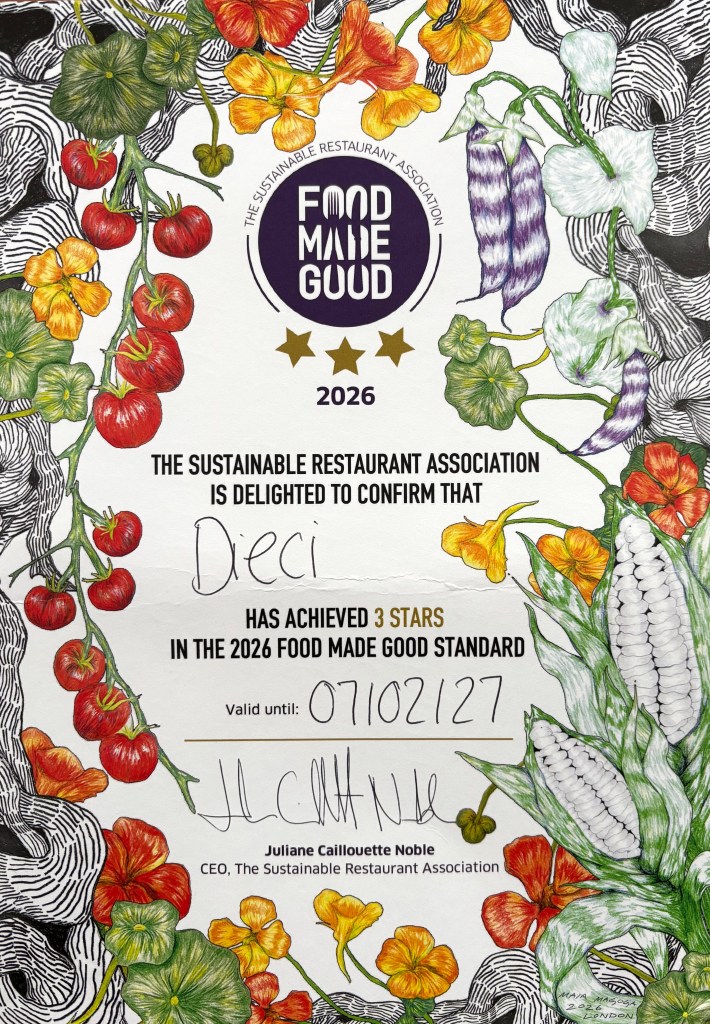
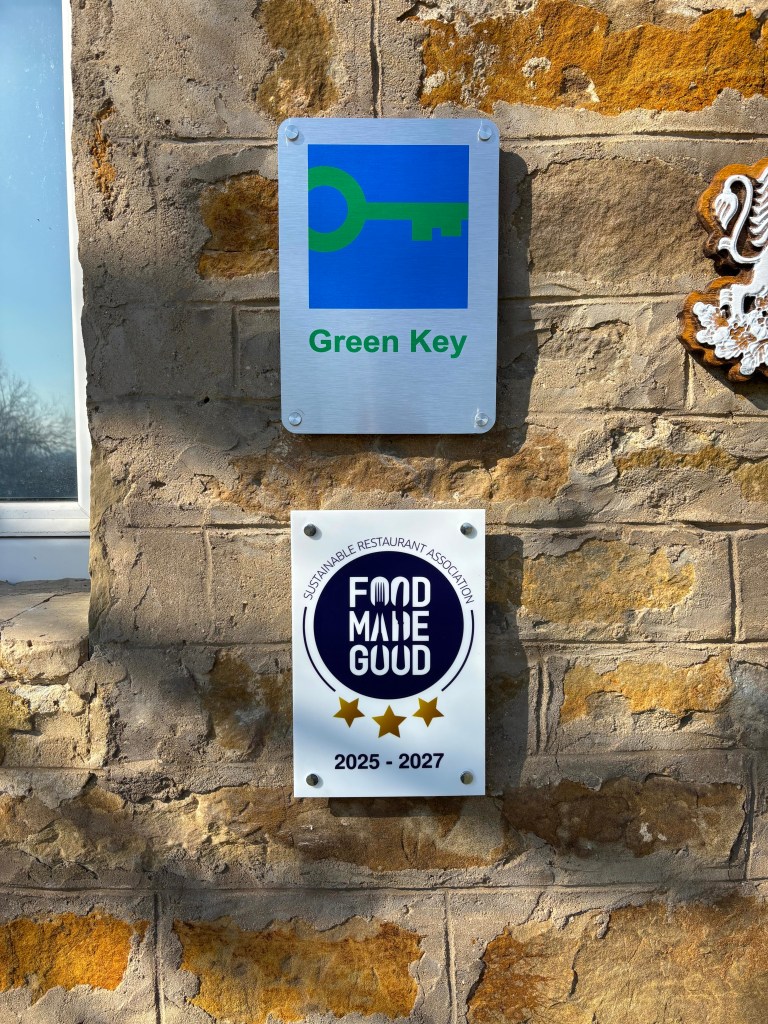
    The Three Star distinction awarded by the Sustainable Restaurant Association reflects systems developed quietly over time:
    waste reduction,
    material transformation,
    resource management,
    energy awareness,
    procurement discipline,
    and long-term environmental thinking.

    At Dieci Boutique Restaurant, sustainability is approached as infrastructure rather than campaign.

    This distinction matters because it confirms something larger:
    that refinement and environmental intelligence are no longer separate conversations within gastronomy.

    The future of luxury hospitality will increasingly depend on operational responsibility.
    Not because sustainability has become fashionable.

    But because wasteful refinement no longer represents refinement at all.

  • Compost and the Intelligence of Return

    In nature, waste does not truly exist.

    Only transformation exists.

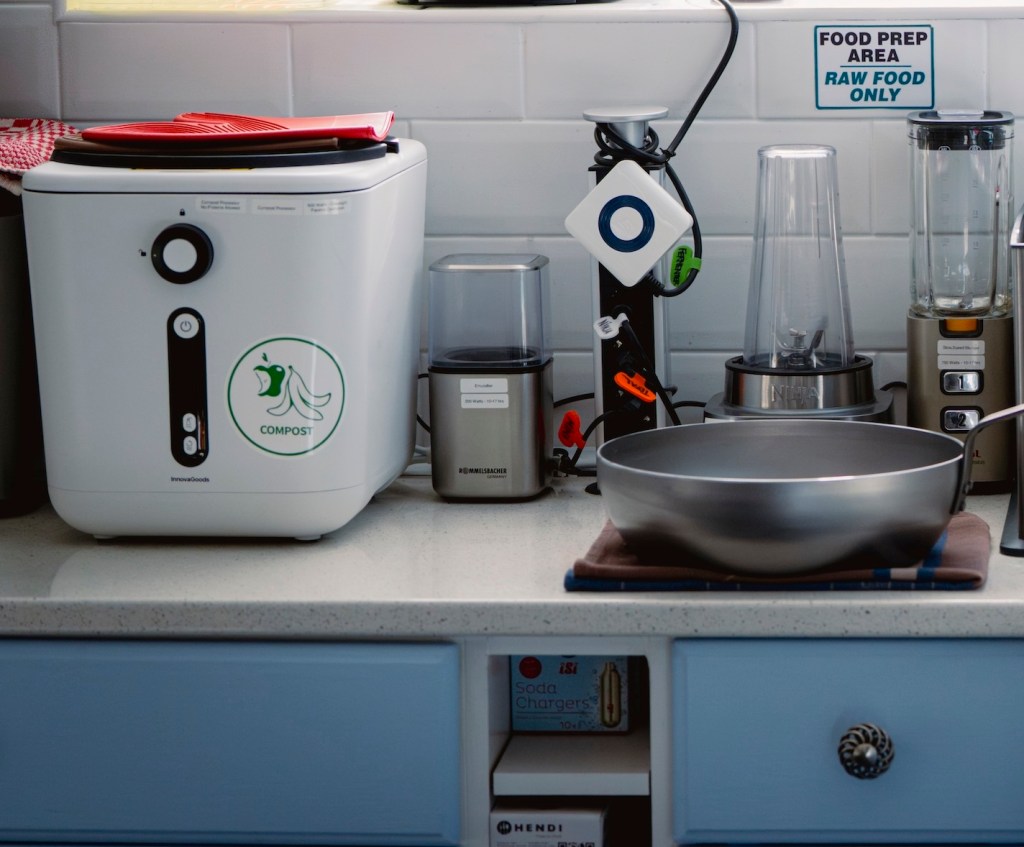
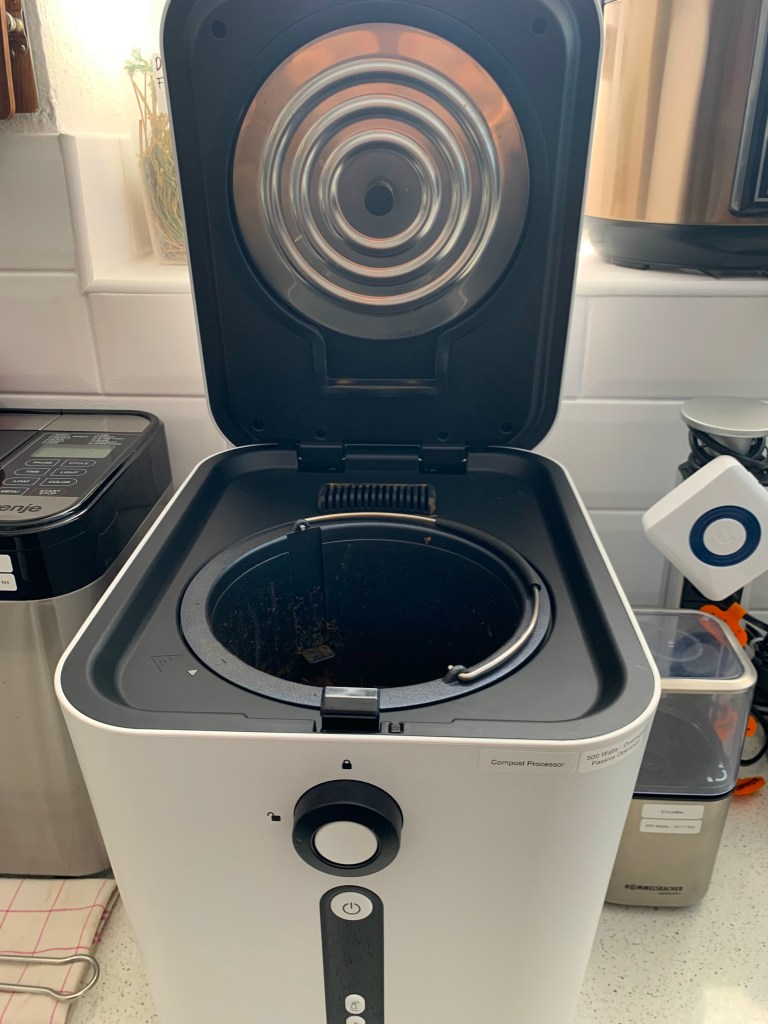
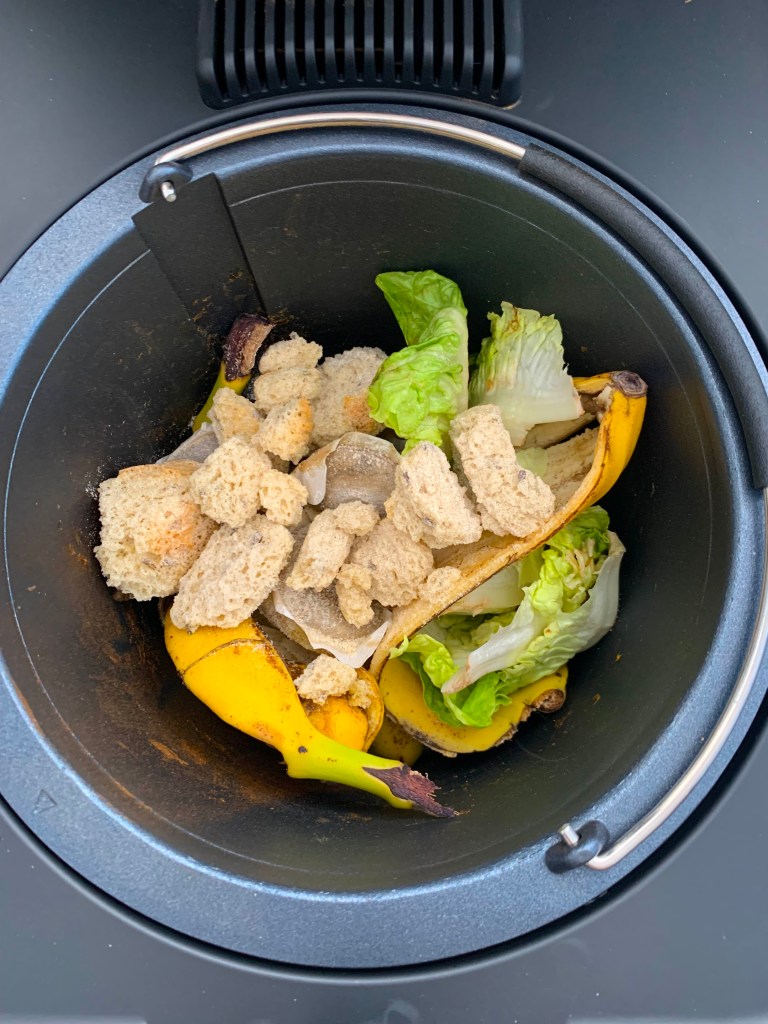
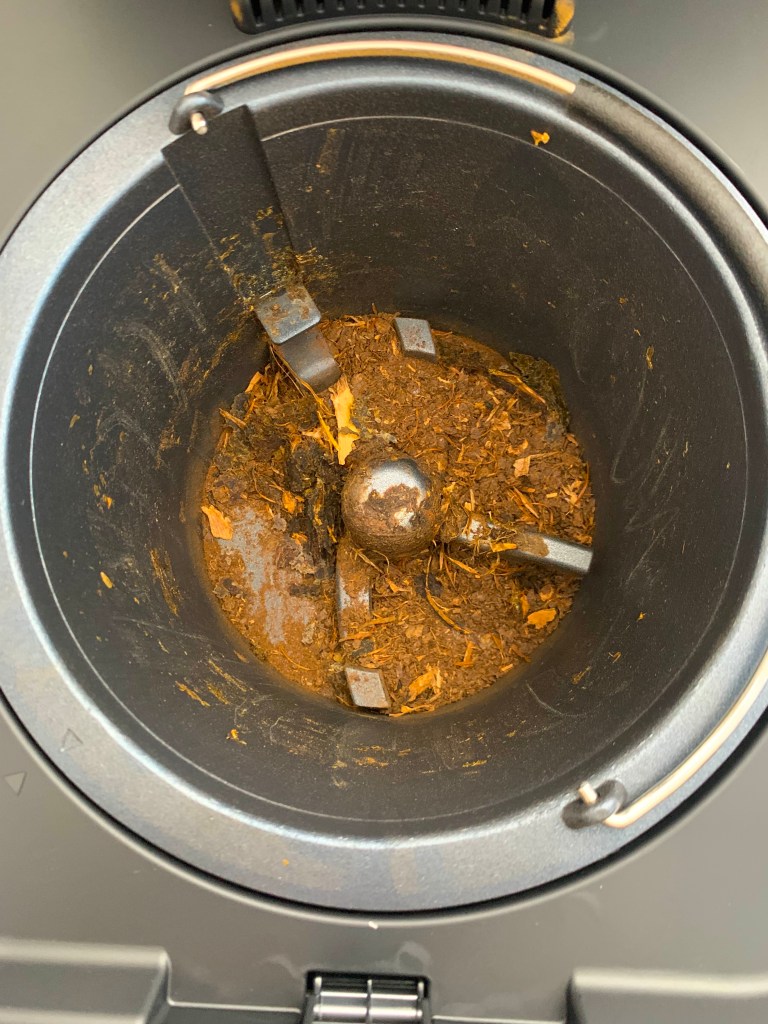
    At Dieci Boutique Restaurant, food debris from preparation and post-service leftovers enter a composting system capable of transforming organic material into usable soil within hours.

    The result returns directly into cultivation:
    seedlings,
    nursery development,
    future crops,
    future menus.

    This cycle changes the psychology of waste completely.

    Preparation returns to soil.
    Soil returns to ingredients.
    Ingredients return to cuisine.

    The relationship becomes circular rather than linear.

    Modern gastronomy often celebrates innovation through technology.
    But some of the most intelligent systems simply imitate natural processes more efficiently.

    Composting is ultimately an act of humility:
    recognizing that nothing valuable should disappear unnecessarily.

  • Why Sustainability Requires Beauty

    Sustainability often suffers from poor aesthetics.

    Too much environmental communication becomes visually aggressive,
    technical,
    or moralizing.

    But beauty matters.

    At Dieci Boutique Restaurant, sustainability is approached through refinement rather than performance.

    The objective is not to create visible sacrifice.
    The objective is to create intelligent systems that coexist naturally with elegance and hospitality.

    Because sustainability disconnected from beauty struggles to inspire long-term cultural adoption.

    People protect what they emotionally value.

    This is why materials,
    textures,
    spaces,
    and objects still matter deeply.

    Luxury and environmental responsibility should never exist as opposites.

    The future of hospitality may ultimately depend on their ability to become inseparable.

  • The Ecology of a Village

    Restaurants do not exist independently from their environments.

    Every serious hospitality project influences the geography surrounding it:
    economically,
    socially,
    culturally,
    ecologically.

    At Dieci Boutique Restaurant, sustainability extends beyond the property itself into the surrounding village and nearby forests of Devino.

    Glass,
    metal,
    paper,
    and plastic are collected through local participation systems that gradually create cleaner public spaces while simultaneously generating economic circulation.

    This matters because sustainability without community rarely survives long-term.

    Environmental responsibility becomes meaningful only when it integrates human participation naturally.

    A restaurant may begin as a dining space.
    But over time, it inevitably becomes part of a larger ecosystem.

    The question is whether that ecosystem improves because of its presence.

  • Metal and the Value of Reinvention

    Metal survives almost everything.

    Fire,
    pressure,
    erosion,
    time.

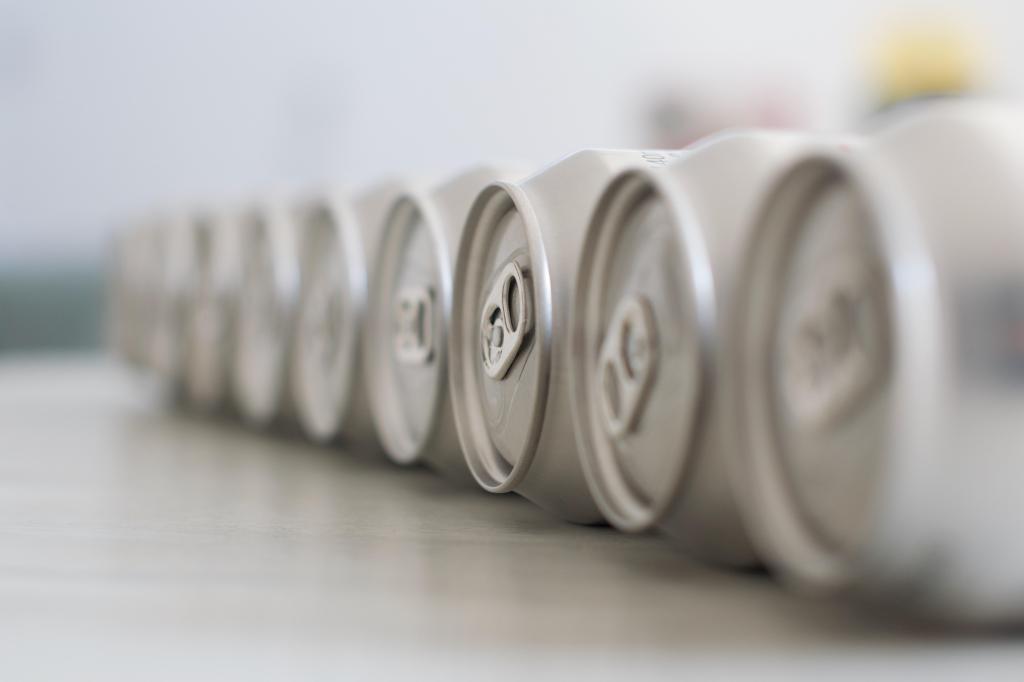
    At Dieci Boutique Restaurant, collected metal is melted and transformed through collaboration with artisans in Serbia who create handcrafted jewelry from reclaimed material.

    The process changes the meaning of the object completely.

    What once existed as industrial residue becomes ornament.
    Something discarded becomes something intimate enough to wear against the body.

    Transformation creates value not only materially, but symbolically.

    The revenue generated through these objects later supports local Romani communities participating in environmental collection systems surrounding the village and nearby forests.

    This creates a circular relationship between material,
    craftsmanship,
    economy,
    and ecology.

    Sustainability becomes strongest when environmental responsibility also creates human opportunity.

    Over this ceramic plate rests a metal grid created from recycled metal, precision-cut and designed using a specialized plotter cutter. It stands as another example of the extreme upcycling philosophy practiced at Dieci Boutique Restaurant, where discarded materials are transformed into functional objects through craftsmanship, refinement, and purposeful design.

  • Glass Carries Memory

    Glass is one of the few materials that can disappear without truly disappearing.

    Melted,
    reformed,
    reused,
    reconstructed.

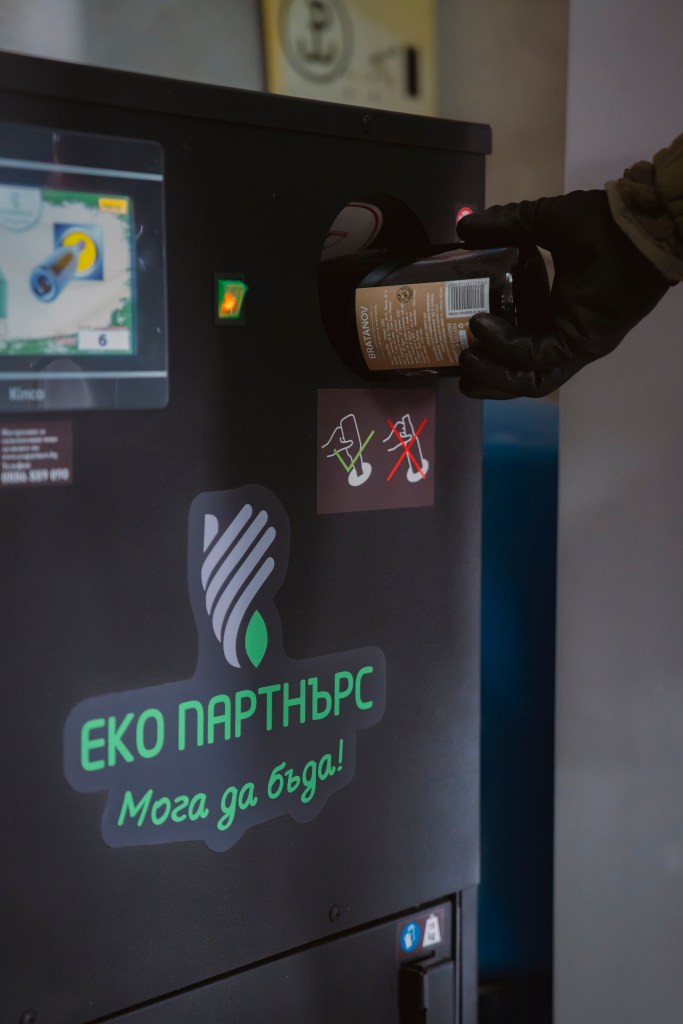
    At Dieci Boutique Restaurant, collaboration with EcoPartners Bulgaria allows glass to remain inside a larger circular system rather than becoming environmental residue. We collaborate with the glass recycling company Eco-Partners, based in Bulgaria.

    This relationship matters because sustainability cannot exist through isolation.

    It depends on networks:
    producers,
    collectors,
    processors,
    communities,
    transport,
    shared responsibility.

    Luxury hospitality often speaks about sourcing.
    Far fewer conversations focus on what happens after consumption.

    But the future of gastronomy will increasingly be judged not only by what restaurants create,
    but by what they leave behind.

    Glass reminds us that permanence can still become transformation when systems are intelligent enough to support it.

  • Paper, Water, Pressure, Heat

    Transformation is one of the oldest forms of craftsmanship.

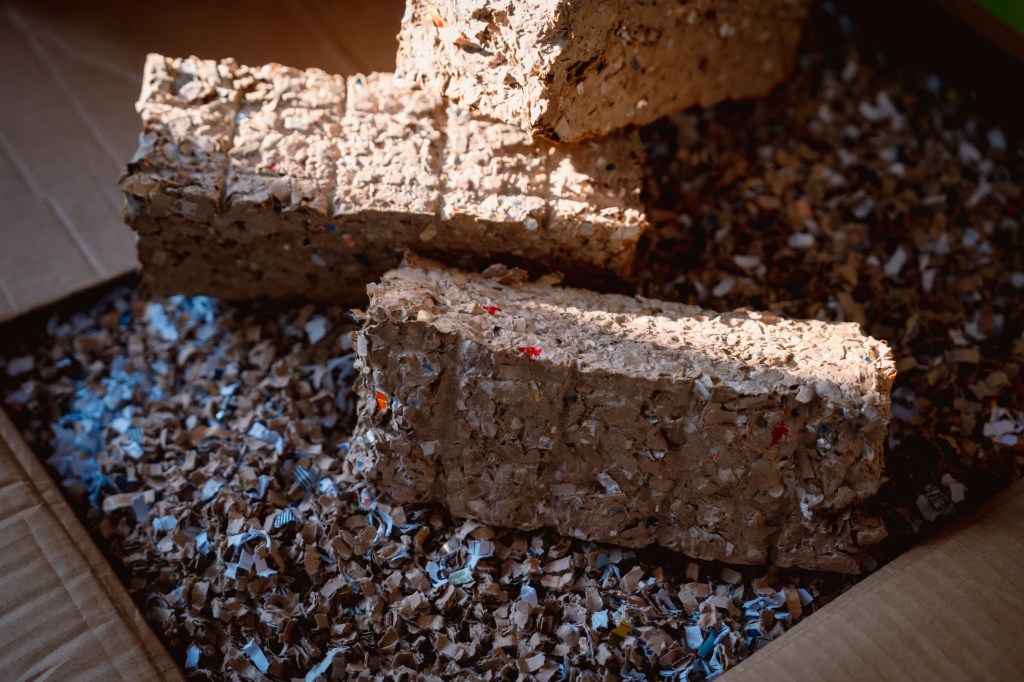
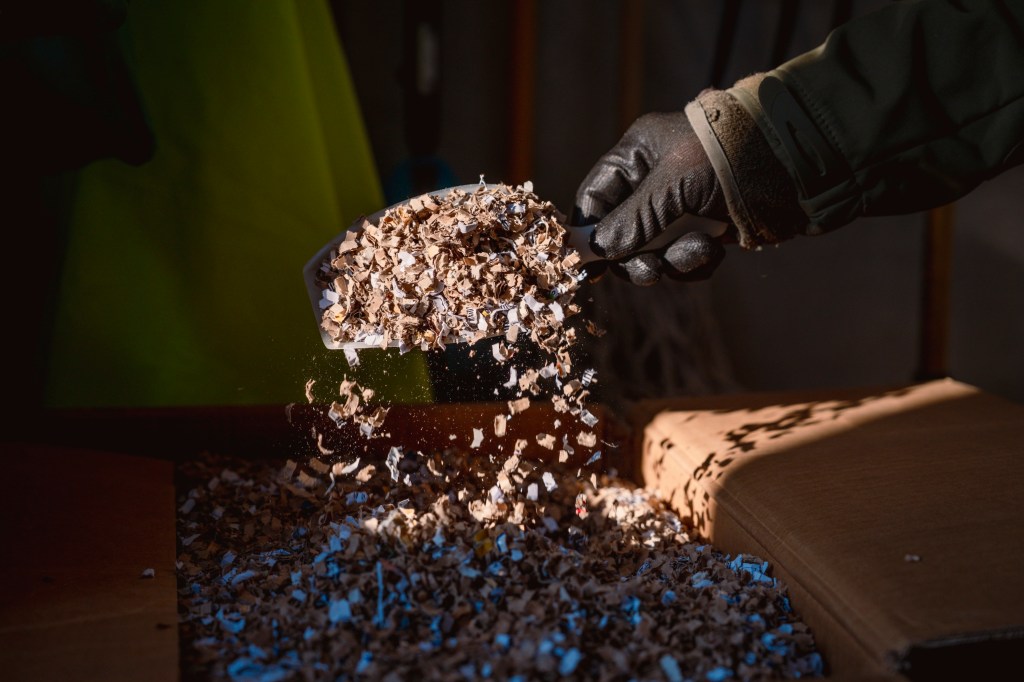
    At Dieci Boutique Restaurant, used cartons, paper, and serviettes are not treated as immediate waste.

    They are collected,
    ground,
    mixed with water,
    compressed,
    and slowly transformed into heating briquettes.

    The process depends on time.

    During the warmer seasons, the briquettes dry naturally beneath the sun before eventually becoming part of the property’s winter heating systems.

    Nothing here is rushed.

    Sustainability often fails when it becomes disconnected from rhythm.
    Natural systems require patience.

    What appears insignificant individually — paper, moisture, pressure, sunlight — gradually becomes fuel.

    A second function.
    A second purpose.
    A second life.

    Refinement is ultimately the ability to extend usefulness without compromising dignity.

  • The Second Life of Plastic

    Most people see plastic as a finished material.

    At Dieci Boutique Restaurant, it is treated as the beginning of another process.

    High-density and low-density plastics are separated carefully, stored, processed, and redirected into systems designed to reduce unnecessary waste within the property and surrounding environment.

    This process is intentionally slow.

    Transformation requires patience.

    Sustainability is often discussed in abstract terms, but meaningful environmental work depends on repetition:
    sorting,
    cleaning,
    organizing,
    processing,
    reusing.

    Small gestures repeated consistently become systems.
    And systems eventually reshape culture.

    Luxury hospitality cannot continue existing through extraction alone.

    Its future depends on intelligence:
    the ability to see value where others see disposal.

  • Why Waste Is a Failure of Attention

    Waste rarely begins in the trash.

    It begins much earlier:
    in carelessness,
    in overproduction,
    in excess,
    in the failure to observe systems closely enough.

    At Dieci Boutique Restaurant, sustainability is approached not as marketing, but as operational discipline.

    Every material carries energy:
    water,
    labor,
    transport,
    time,
    craftsmanship.

    To waste thoughtlessly is therefore to waste more than matter alone.

    Fine dining often celebrates abundance.
    But refinement increasingly depends on precision:
    using intelligently,
    preserving carefully,
    transforming responsibly.

    The future of gastronomy may ultimately depend less on what restaurants consume and more on what they learn to preserve.

    Because attention itself is one of the highest forms of respect.