How Dieci Boutique Restaurant Turns Plastic Waste into Buildings, 3D-Printed Hospitality Objects, and a Circular Future
There is a question most businesses never ask. What if waste is not the end of a product’s life?
What if waste is simply the beginning of something else?
At Dieci Boutique Restaurant, sustainability has never been approached as a marketing strategy. It is not a checklist. It is not a certification hanging on a wall. It is a philosophy that influences every decision, every material, and every object that enters the property.
This philosophy eventually led to a simple realization: The most sustainable waste is the waste that never leaves the ecosystem.
Beyond Recycling
Most businesses separate waste. Some recycle. A smaller number reduce consumption.
Very few completely redesign the life cycle of materials.
Following its Green Key Certification and its Three-Star Food Made Good Award from the Sustainable Restaurant Association—the highest sustainability distinction awarded by the organization—Dieci began exploring a more ambitious question:
Can a restaurant become its own recycling ecosystem?
The answer became one of the most unusual sustainability projects in hospitality today.
Not merely recycling. Upcycling. Transformation.
Creating value where value was once considered impossible.
The result is a system that may be unique in the global restaurant industry.
Two Plastics. Two Futures.
Not all plastics are equal.
Most recycling systems treat plastic as a single problem.
At Dieci, plastic is treated as a resource.
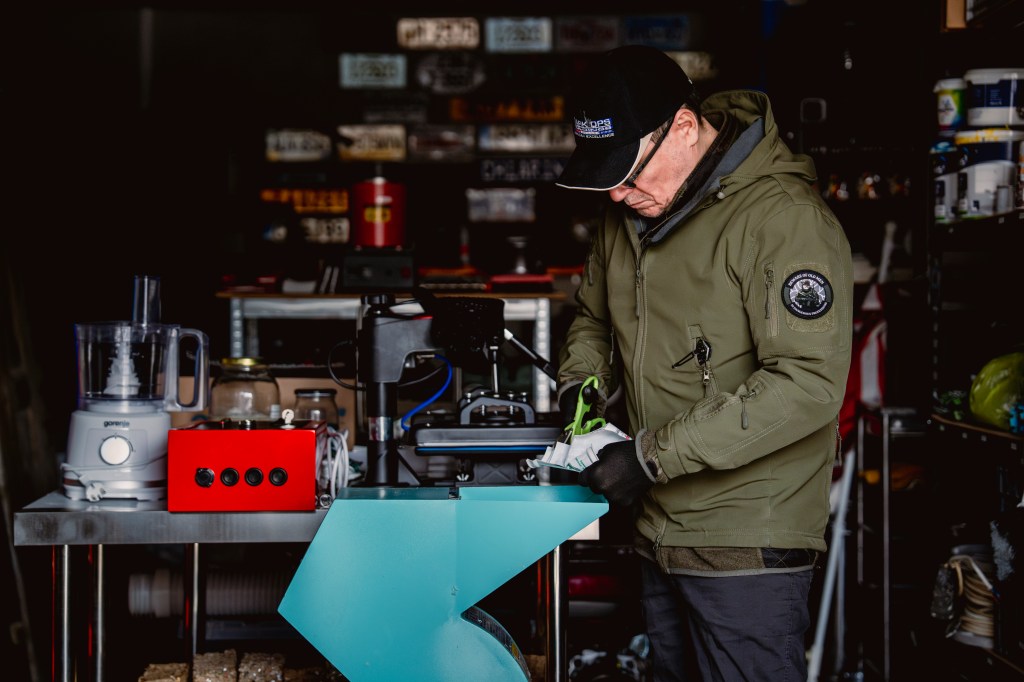
The team developed a dual-stream upcycling process designed to maximize the potential of different plastic categories.
Low-density plastics follow one path.
High-density plastics follow another.
Each material receives the future it deserves.
Building Walls From Waste
- Disposable gloves.
- Sous-vide bags.
- Agricultural films.
- Grass-trimming plastics.
- Packaging materials.
- Various non-food-grade plastics that traditionally have very limited recycling potential.
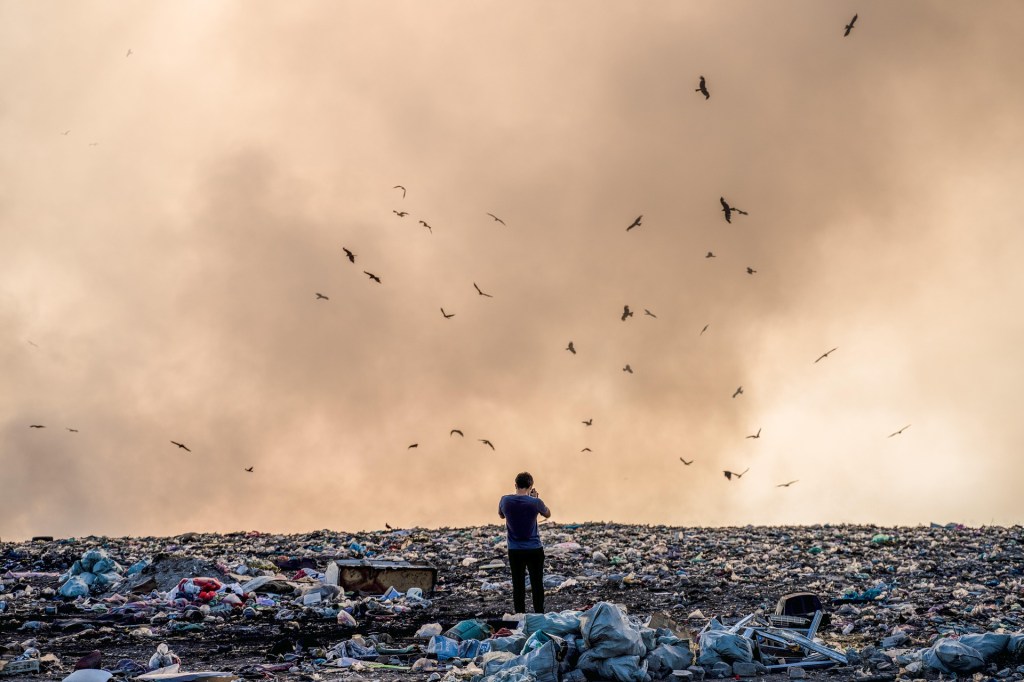
Most of these materials would eventually become landfill.
At Dieci, they become construction materials.
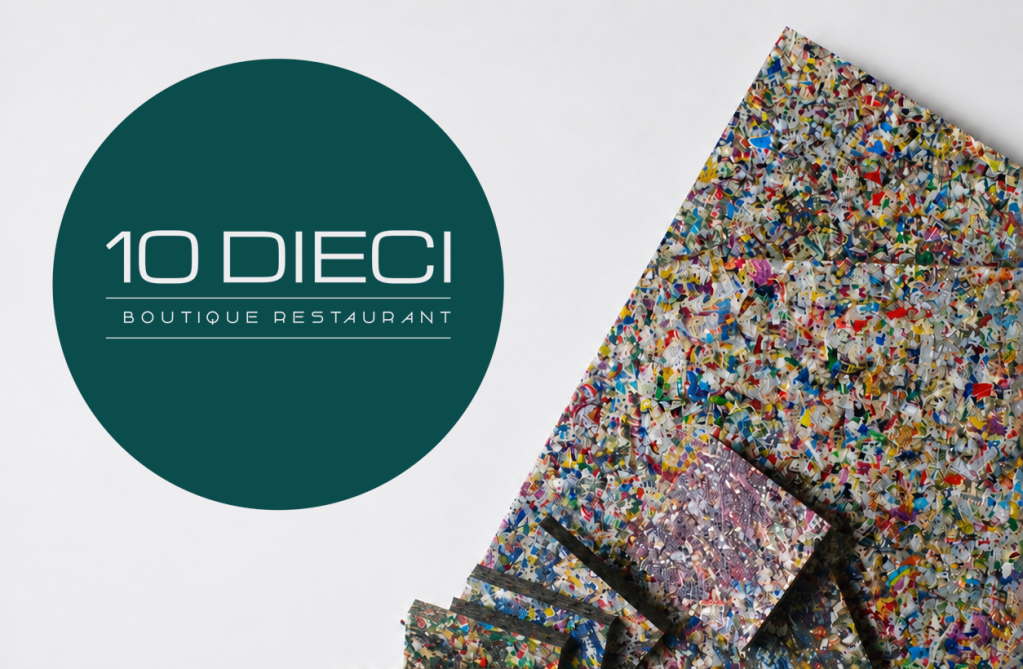
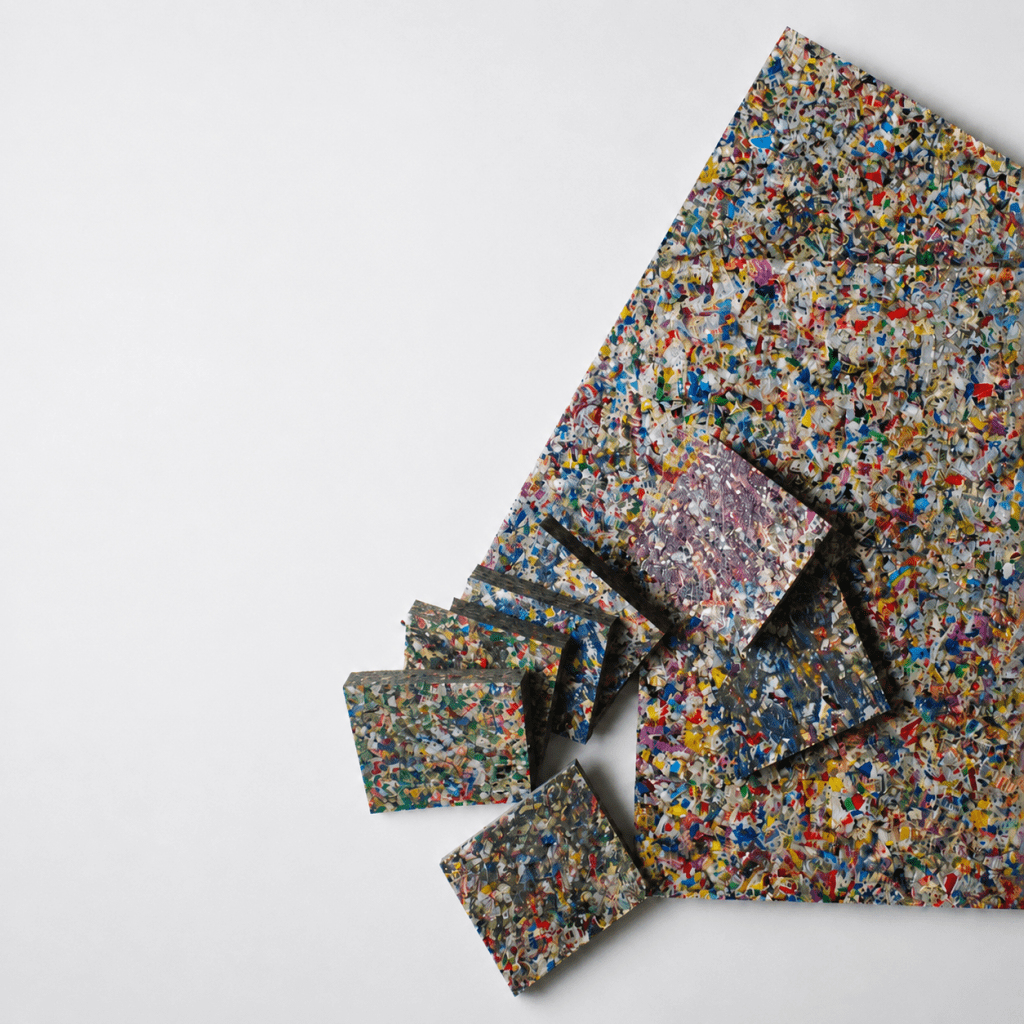
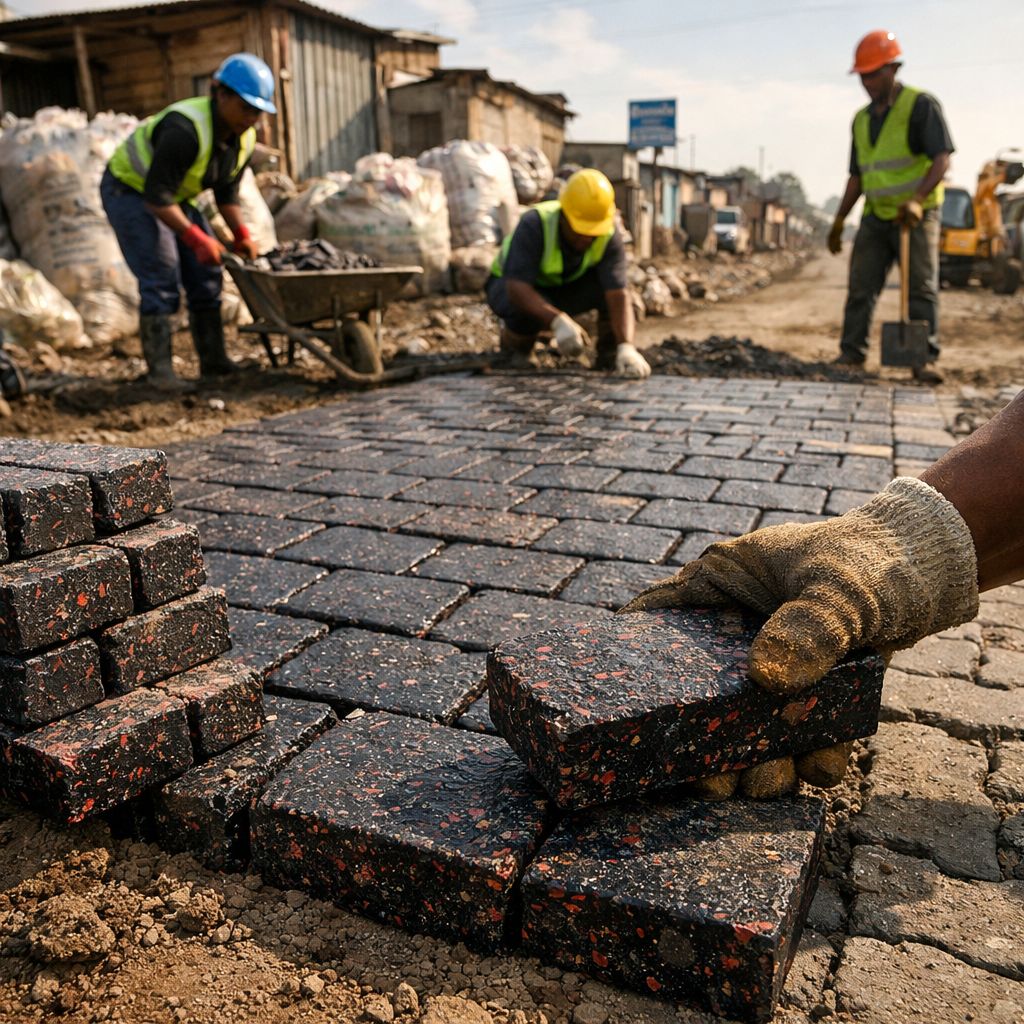
After collection, cleaning, and processing, these plastics are compressed into durable architectural panels and structural bricks.
The colorful mosaic surfaces created from these recovered materials are not decorative art pieces.
♻️ They are building materials.
♻️ Real materials.
♻️ Permanent materials.
♻️ Materials that are now being used to construct the walls of Dieci’s next-generation recycling center. A building literally made from waste. A building designed to prevent future waste.
♻️ The symbolism is powerful.
Yesterday’s problem becomes tomorrow’s solution.
From Bottle Caps to Fine Dining
While low-density plastics become architecture, food-grade high-density plastics follow an entirely different journey.
- Plastic bottles.
- Bottle caps.
- Food-safe rigid plastics.
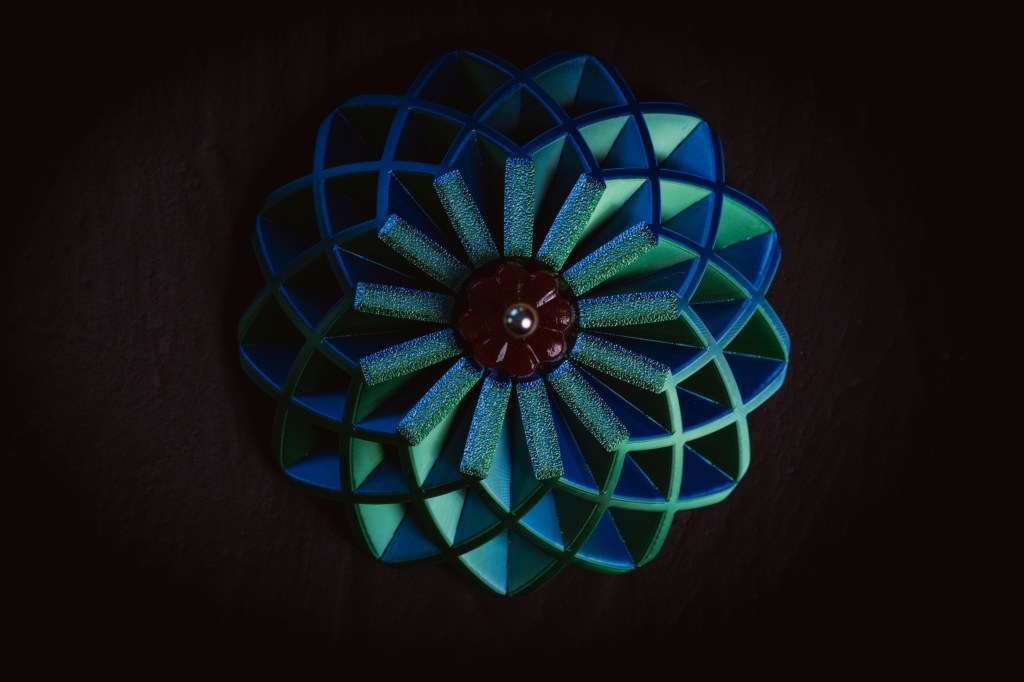
These materials are carefully sorted, cleaned, processed, and transformed into premium 1.75 mm 3D-printing filament.
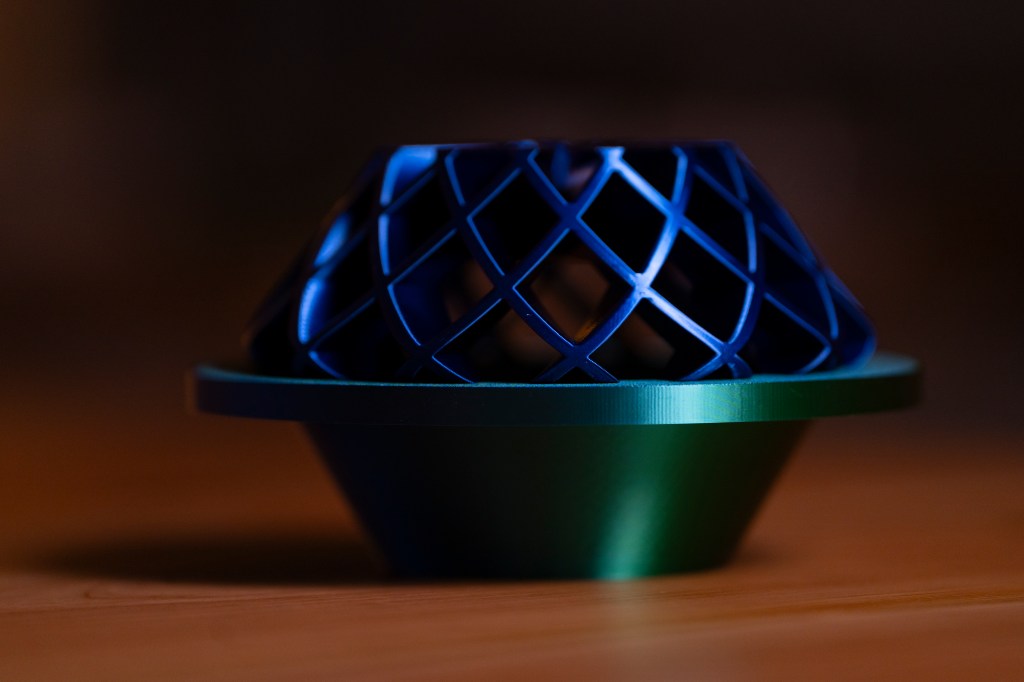
The filament is then used to create bespoke hospitality objects and specialized serving pieces.
The same material that once protected a beverage can now become part of a culinary presentation.
The transformation is remarkable. Waste becomes craftsmanship. Recycling becomes design. Sustainability becomes tangible. Guests do not merely hear about circular economy principles.
They can literally see them on the table.
A Restaurant That Manufactures Its Own Future
Most restaurants purchase products. Dieci increasingly manufactures them.
This distinction changes everything. The objective is not simply reducing environmental impact. The objective is creating a closed-loop system where materials remain valuable indefinitely.
Every recovered bottle cap. Every recovered glove. Every recovered piece of plastic.
Each one represents a resource waiting for a new purpose. The future of sustainability may not be found in disposal. It may be found in redesign.
Sustainability Beyond Certifications
Recognition has followed naturally.
Dieci Boutique Restaurant became the first restaurant in Bulgaria and Eastern Europe to receive Green Key certification, one of the world’s most respected environmental standards for hospitality.
The restaurant also achieved the highest possible Three-Star Food Made Good Rating from the Sustainable Restaurant Association in the United Kingdom.
These distinctions validate the work. But they are not the destination.
The destination remains innovation.
- Continuous improvement.
- Continuous responsibility.
- Continuous curiosity.
Because sustainability is never finished. It evolves.
The Future Is Circular
For decades, society viewed waste as something to remove.
- Something to hide.
- Something to forget.
The next generation may view waste differently.
- As material.
- As opportunity.
- As potential.
At Dieci Boutique Restaurant, colorful walls made from discarded plastics and dining objects created from recycled bottle caps tell the same story.
Nothing truly valuable should be thrown away.
- Not creativity.
- Not resources.
- Not possibility.
Perhaps the future of hospitality will not be defined by what restaurants consume. But by what they are capable of transforming. And perhaps the most beautiful material of all is the one that almost became waste.
 The Dieci Boutique Journal
Leave a comment