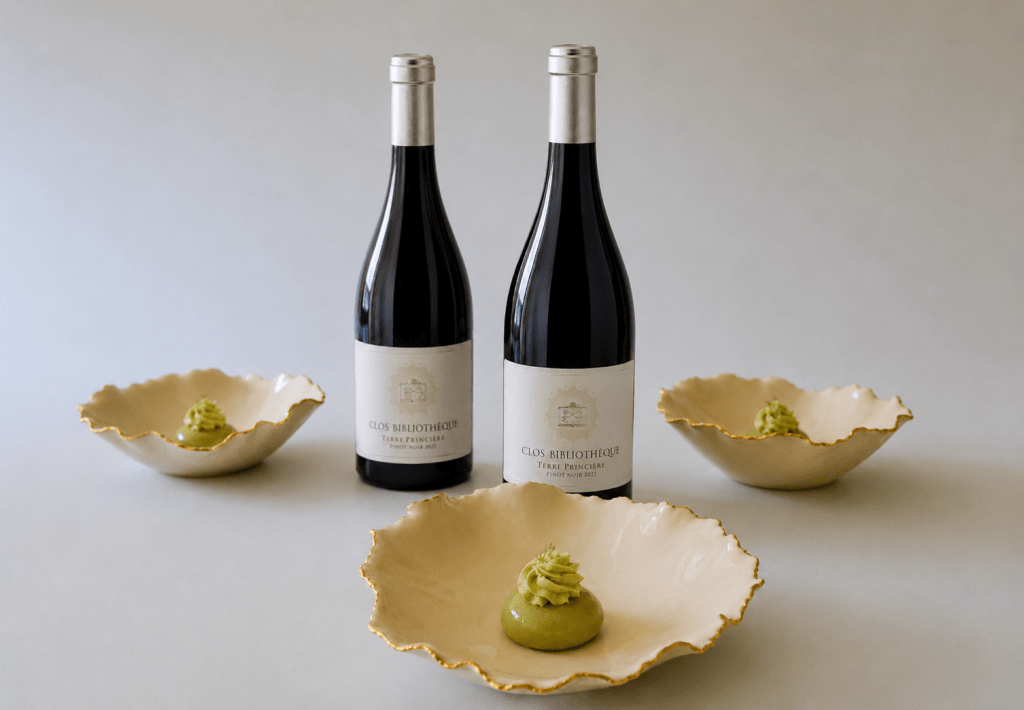
There are vineyards that produce wine. And there are vineyards that preserve memory.
Clos Bibliothèque belongs to the vineyards that preserve memory.
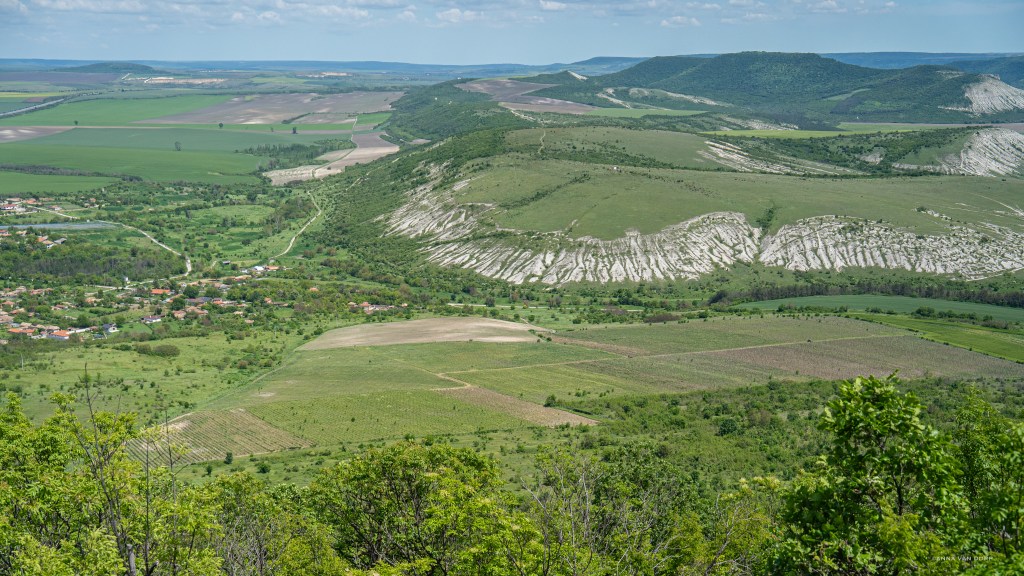
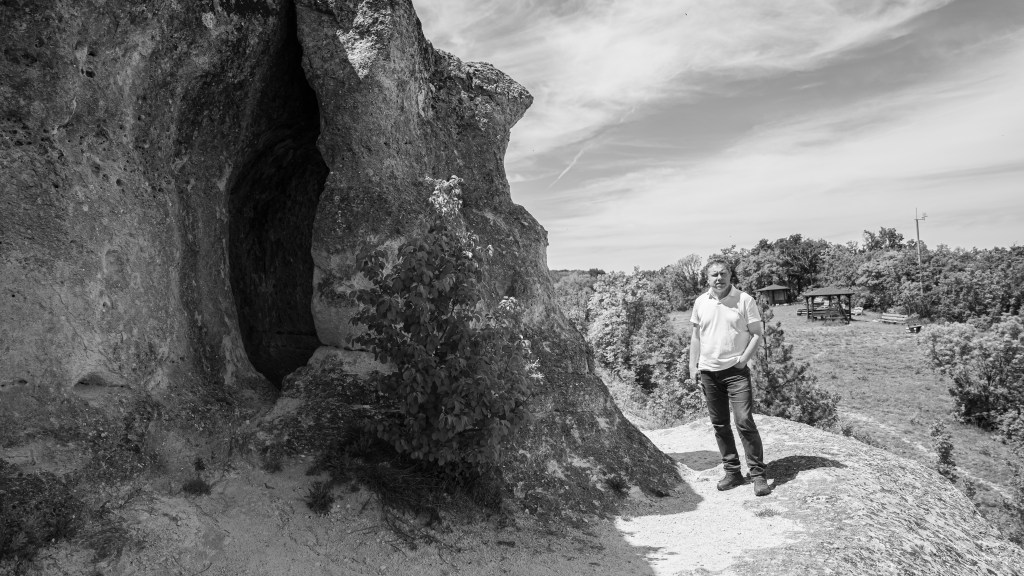
In the Nevsha Valley of northeastern Bulgaria, among limestone slopes scattered with ancient marine fossils, a small estate has quietly become one of the most compelling expressions of modern Bulgarian wine.
At first glance, the landscape appears serene.
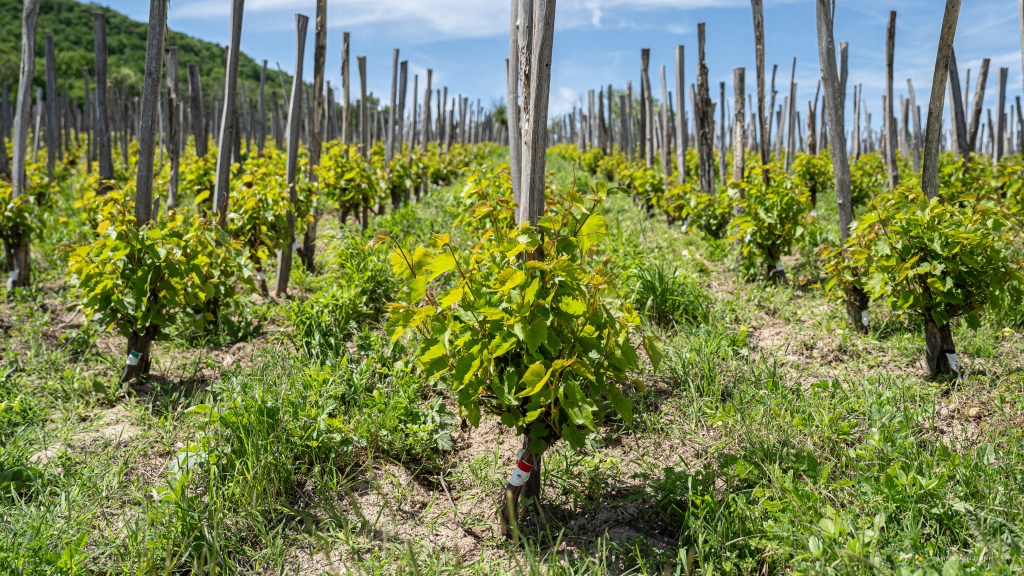
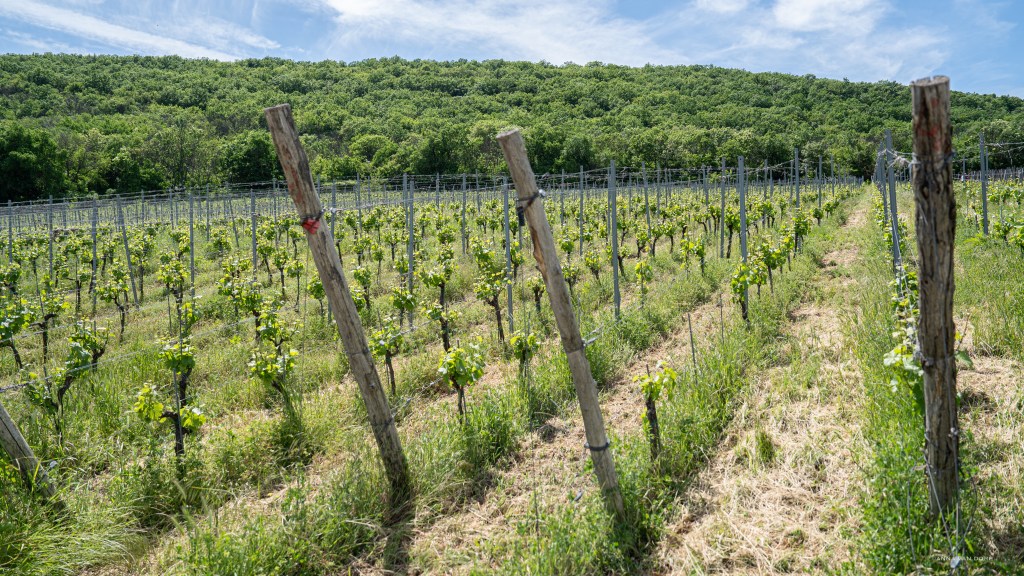
Rows of vines stretch across demanding terrain.
The wind moves across exposed hillsides.
The soil seems austere.
Yet beneath the surface lies a story measured not merely in vintages, but in centuries.
The name itself offers a clue.
The Walled Library. It is a name that reaches beyond wine and into history.
Near the estate once stood one of medieval Bulgaria’s most important intellectual centers, connected to the preservation of literary works associated with the disciples of Saints Cyril and Methodius during the reigns of Boris I and Simeon the Great.
Words were once protected here.
Today, vines are. The connection is not symbolic. It is philosophical. Libraries preserve culture.
So do vineyards.
Exquisite picture and image masterfully captured by @annavandorp (Professional Photographer, Film maker, Editor) Amsterdam, Netherlands.
The Burden of Limestone
Every great wine begins with limitation.
Poor soils.
Harsh conditions.
Struggle.
The Nevsha Valley offers all three.
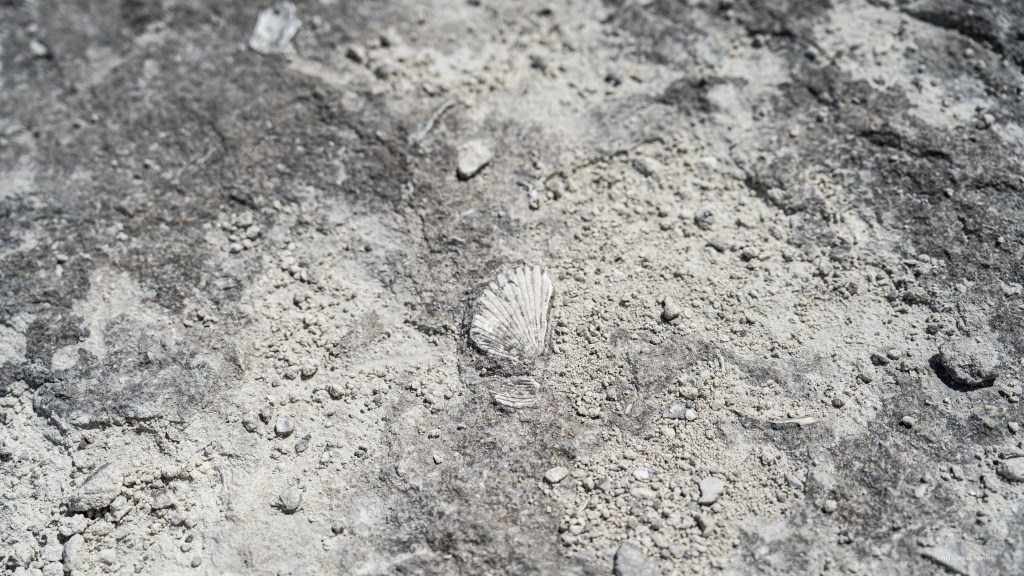
The vineyards of Clos Bibliothèque are rooted in limestone-rich terrain embedded with marine fossils millions of years old. The ground is not generous. It does not encourage excess vigor. It does not allow vines to become lazy.
Instead, it forces roots deeper.
The vine must search.
Must struggle.
Must earn access to water and nutrients.
The result is concentration.
Minerality.
Precision.
Character.
This is one of the paradoxes of wine.
The most beautiful expressions often emerge from the most difficult environments.
Comfort rarely produces greatness.
Pressure does.
The limestone beneath Clos Bibliothèque acts as a silent collaborator.
Every vintage carries its influence.
Every grape reflects its discipline.
Every bottle becomes a translation of stone.
Exquisite picture and image masterfully captured by @annavandorp (Professional Photographer, Film maker, Editor) Amsterdam, Netherlands.
Rejecting Volume
For much of the twentieth century, Bulgarian wine was often judged through the lens of quantity.
Large cooperatives.
Mass production.
Export statistics.
The language of volume dominated the conversation.
Clos Bibliothèque represents the opposite philosophy.
The estate does not seek scale.
It seeks clarity.
One of the most striking decisions made by the winery involves planting density.
While many vineyards choose wider spacing to encourage easier mechanization, Clos Bibliothèque follows a more demanding path inspired by Burgundy.
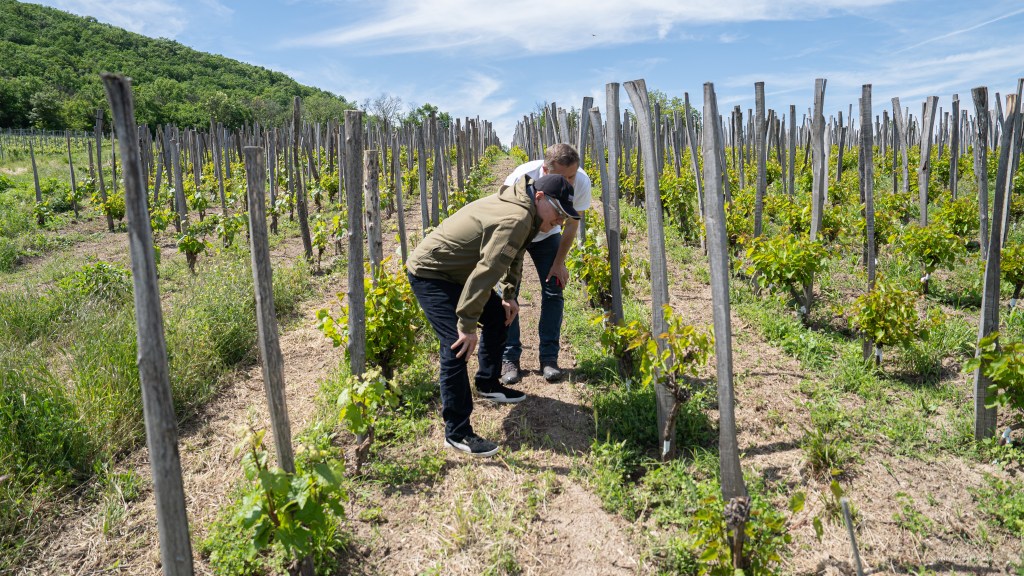
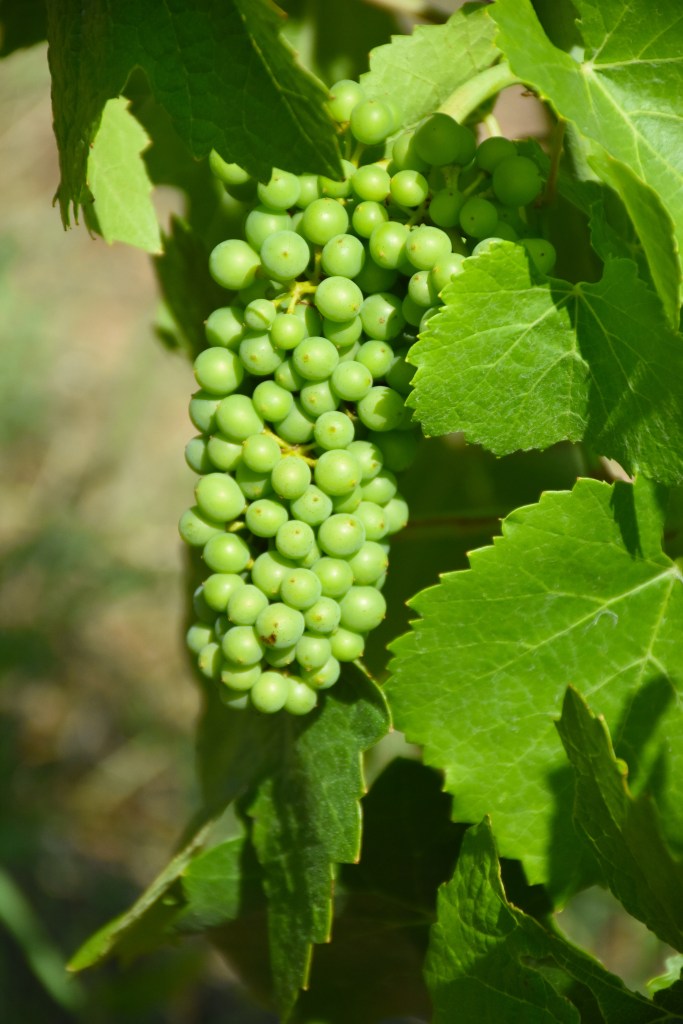
Approximately 9,200 vines per hectare occupy the site.
This density creates competition.
Each vine must fight for resources.
Each vine produces less fruit.
Each cluster becomes more concentrated.
This is expensive.
Labor-intensive.
Financially irrational for many producers.
And precisely why it matters.
Quality rarely emerges from convenience.
Exquisite picture and image masterfully captured by @annavandorp (Professional Photographer, Film maker, Editor) Amsterdam, Netherlands.
The Human Element
Wine is never only terroir.
The people matter.
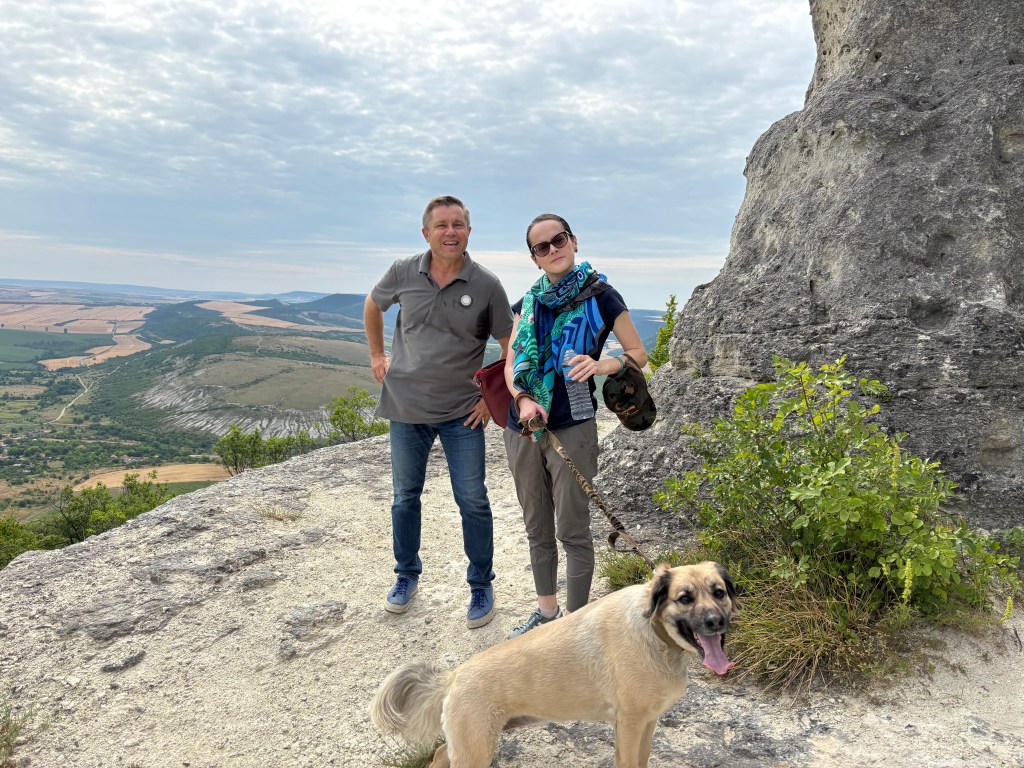
At Clos Bibliothèque, the vineyard and cellar are guided by Vladislav Atanasov and Sonya, whose work reflects an uncommon commitment to low-intervention viticulture.
The estate operates organically.
Fermentations rely heavily on indigenous yeasts.
The cellar avoids unnecessary manipulation.
These choices are not fashionable gestures.
They are acts of trust.
Trust in fruit.
Trust in place.
Trust in vintage variation.
Trust that imperfection can sometimes reveal more truth than standardization.
Modern wine technology can solve many problems.
But it can also erase individuality.
Clos Bibliothèque chooses expression over correction.
That decision requires courage.
Every vintage becomes more vulnerable.
But it also becomes more honest.
Exquisite picture and image masterfully captured by @annavandorp (Professional Photographer, Film maker, Editor) Amsterdam, Netherlands.
Burgundy Without Imitation
The influence of Burgundy is visible throughout the estate.
The concept of the clos.
The high-density planting.
The focus on site expression.
The reverence for Chardonnay and Pinot Noir.
Yet imitation is not the goal.
The purpose is adaptation.
A great wine region cannot be copied.
It must be interpreted.
Clos Bibliothèque understands this distinction.
Their Chardonnay does not attempt to become French.
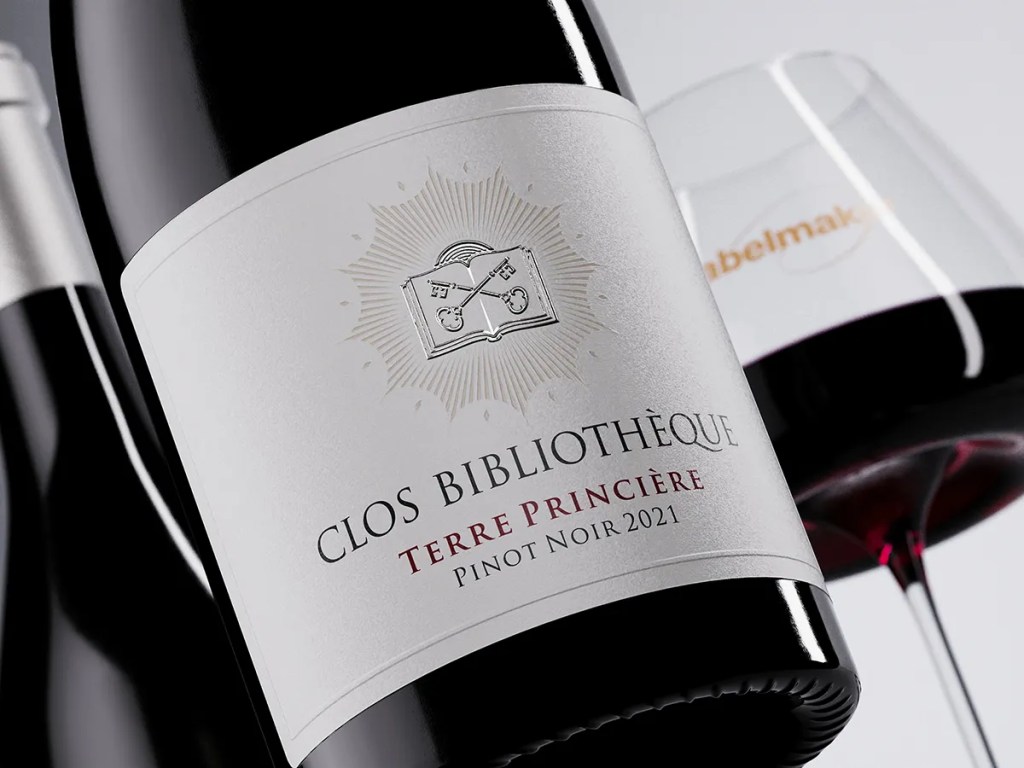
Their Pinot Noir does not attempt to become Burgundian.
Instead, both varieties are allowed to become Bulgarian.
The limestone of Nevsha speaks differently than the limestone of Burgundy.
The climate behaves differently.
The light behaves differently.
The winds behave differently.
Authenticity begins when comparison ends.
The Native Voice
If Chardonnay and Pinot Noir demonstrate technical mastery, Dimyat and Mavrud reveal something deeper.
Identity.
Dimyat remains one of Bulgaria’s most historically important native white grapes, particularly along the Black Sea coast.
For generations, it was often underestimated.
Treated as ordinary.
Used without ambition.
Clos Bibliothèque approaches it differently.
The grape becomes a vehicle for rediscovery.
The winery asks a simple question:
What happens when native varieties receive the same care, investment, and respect typically reserved for international prestige grapes?
The answer appears in the glass.
Dimyat gains tension.
Depth.
Precision.
Dignity.
Mavrud receives similar treatment.
One of Bulgaria’s most iconic red varieties is interpreted through a contemporary lens without losing its cultural roots.
This balance is difficult.
Modernization often destroys identity.
Tradition often resists evolution.
Great producers manage both simultaneously.
Why Dieci Chose Clos Bibliothèque
Restaurants and wineries often speak similar languages.
Not because they share products.
Because they share values.
At Dieci Boutique Restaurant, we built our philosophy around several principles:
Attention over scale.
Origin over convenience.
Precision over excess.
Bulgaria over imported assumptions.
Clos Bibliothèque arrived at remarkably similar conclusions.
This is why the partnership feels natural.
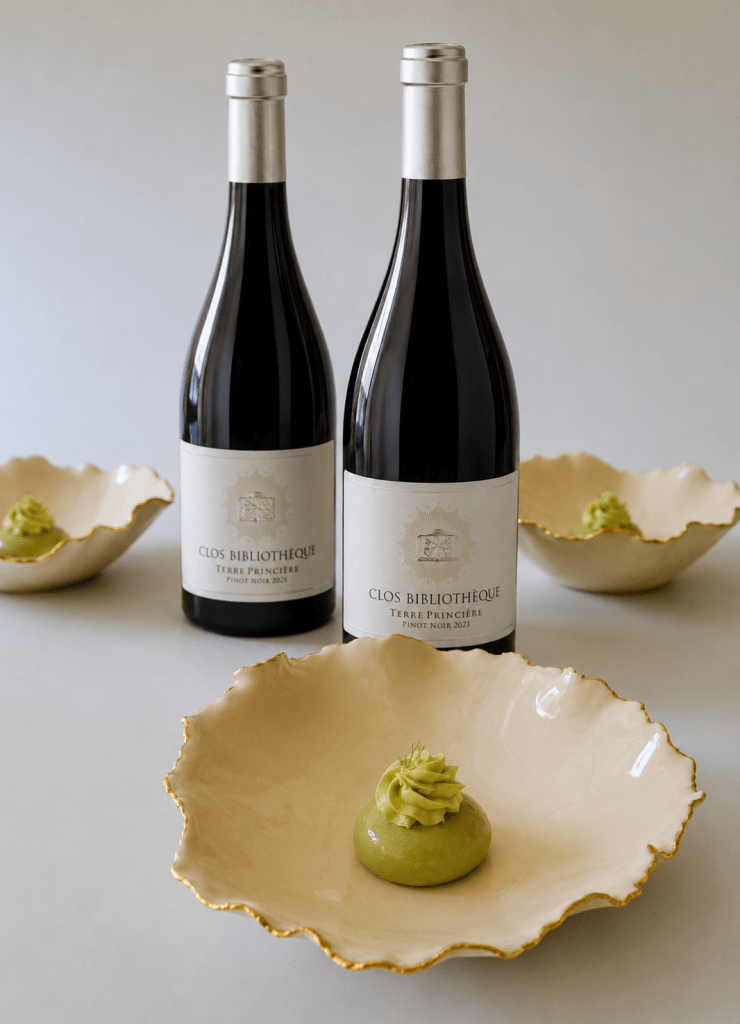
The wines do not simply accompany dishes.
They continue conversations already happening on the plate.
When a guest encounters a tasting menu built around Bulgarian ingredients, ethical producers, native products, and regional stories, the wine must participate in that narrative.
A generic wine list would undermine the entire experience.
Clos Bibliothèque strengthens it.
The Story in the Glass
One of the great mistakes people make when discussing wine is assuming that wine exists primarily to be analyzed.
To identify aromas.
To score quality.
To compare vintages.
These activities have value.
But they are not the deepest purpose of wine.
Wine exists to transmit place.
Every serious bottle contains geography.
Climate.
Human decisions.
Agricultural choices.
History.
Time.
Clos Bibliothèque succeeds because it remembers this.
Its wines do not attempt to impress through power alone.
They seek resonance.
A guest tasting one of these bottles at Dieci is not simply consuming fermented grape juice.
They are tasting limestone.
Ancient seas.
Medieval memory.
Bulgarian ambition.
Modern craftsmanship.
The wine becomes a form of storytelling.
And storytelling remains the highest form of hospitality.
Exquisite picture and image masterfully captured by @annavandorp (Professional Photographer, Film maker, Editor) Amsterdam, Netherlands.
The Renaissance of Bulgarian Wine
For too long, Bulgarian wine occupied an uncomfortable position.
Respected by specialists.
Ignored by many consumers.
Known for potential.
Less known for prestige.
That reality is changing.
The emergence of producers like Clos Bibliothèque demonstrates that Bulgarian wine no longer needs to define itself through comparison.
It no longer needs to explain itself through foreign benchmarks.
It can stand independently.
Not because it rejects international standards.
Because it meets them.
And then adds something unique.
History.
Native varieties.
Untapped terroirs.
An agricultural culture still capable of surprise.
This is why we pour Clos Bibliothèque at Dieci.
Not because it is fashionable.
Not because it is rare.
Because it helps articulate a larger argument.
That Bulgaria belongs among the world’s serious gastronomic destinations.
Not someday.
Now.
Exquisite picture and image masterfully captured by @annavandorp (Professional Photographer, Film maker, Editor) Amsterdam, Netherlands.
A Library Still Growing
A traditional library preserves completed works.
A vineyard is different.
Its collection is never finished.
Every season writes another chapter.
Every harvest adds another volume.
Every bottle becomes a record of a specific year, a specific climate, a specific set of decisions.
Clos Bibliothèque continues to build its library one vintage at a time.
The shelves are not made of wood.
They are made of vines.
The pages are not made of paper.
They are made of soil, fruit, weather, and patience.
And like every great library, its purpose is not merely preservation.
Its purpose is transmission.
To carry something valuable from one generation to the next.
At Dieci, we believe that is exactly what great wine should do.
Not simply intoxicate.
Not simply accompany dinner.
But preserve memory.
And then pass it forward.
Exquisite picture and image masterfully captured by @annavandorp (Professional Photographer, Film maker, Editor) Amsterdam, Netherlands.


Leave a Reply