Monaco, Leadership, and the Conversations that shape gastronomy
Most people imagine gastronomy through plates. A dish arrives. A photograph is taken. A meal is remembered. Yet much of the future of gastronomy is not decided in dining rooms.
It is decided in conversations. Around tables where chefs exchange ideas. Inside conferences where experience is shared rather than displayed.
Within gatherings where some of the world’s most respected culinary professionals meet not to compete, but to think collectively about what comes next.
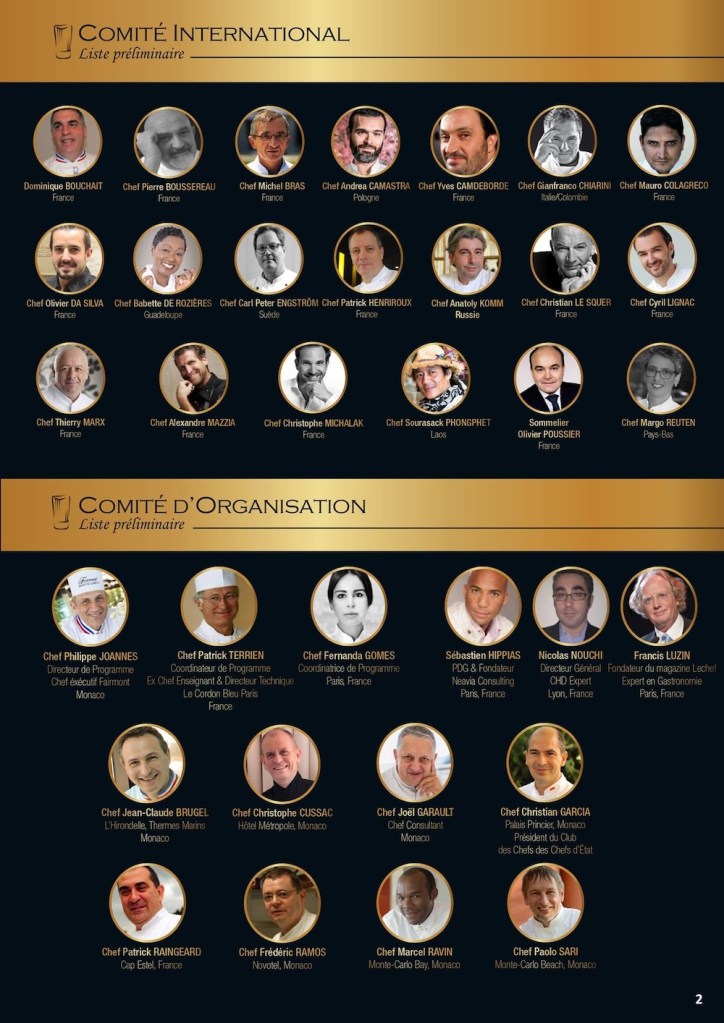
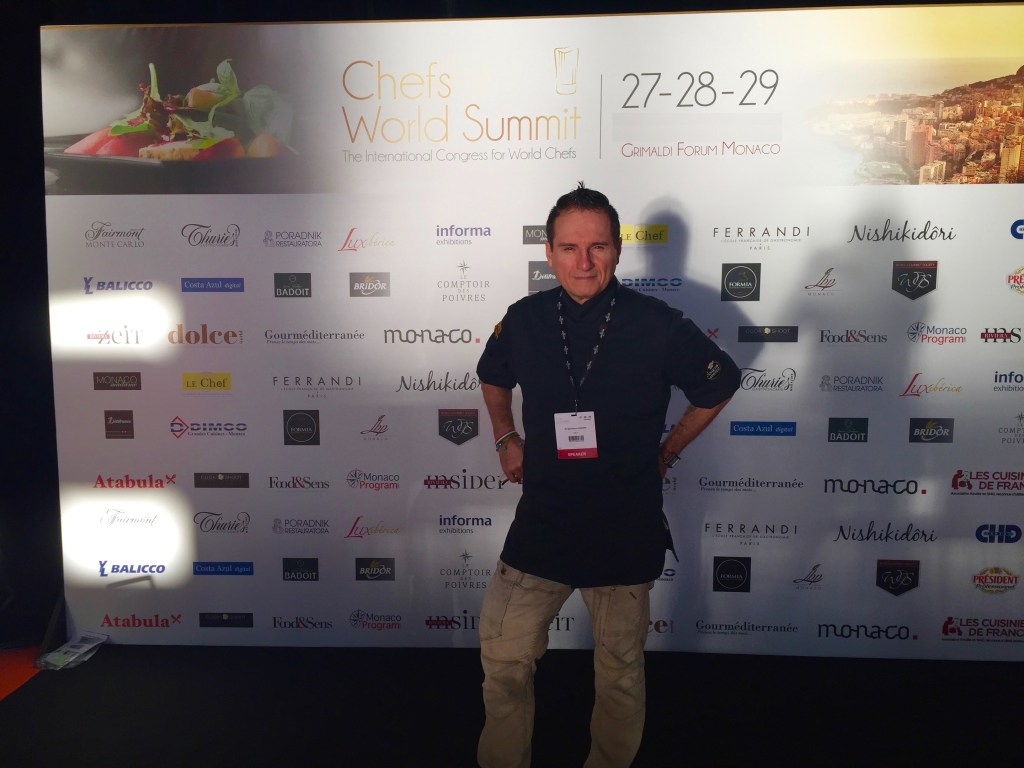
The Chefs World Summit in Monaco represents one of those gatherings.
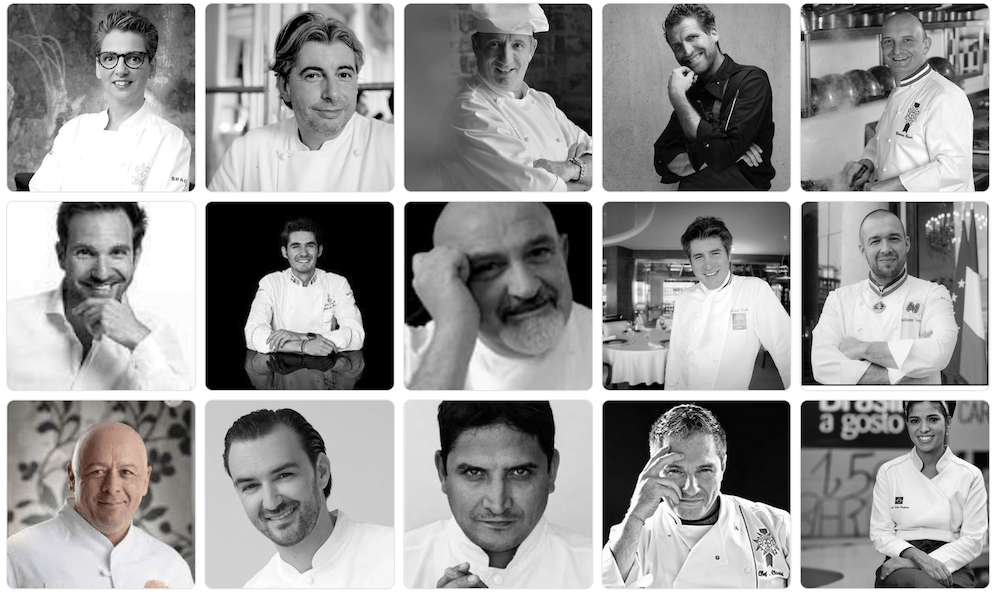
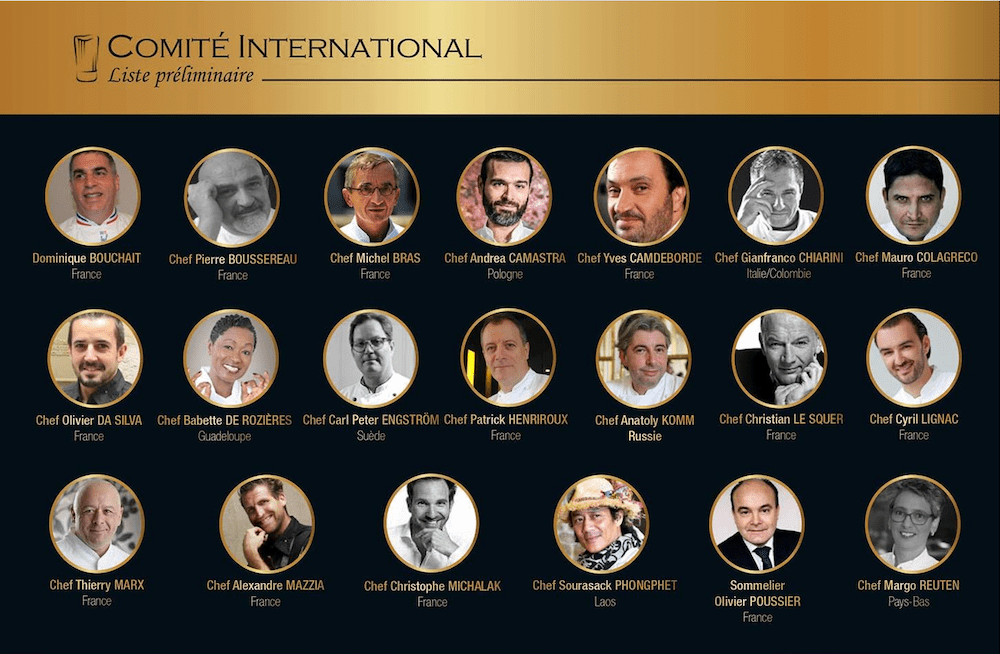
For several days, Monaco became a meeting point for some of the most influential figures in contemporary gastronomy. Multiple Michelin-starred chefs, culinary innovators, hospitality leaders, sommeliers, educators, and industry visionaries came together to discuss the future of the profession.
Names such as Michel Bras, Akrame Benallal, Mauro Colagreco, Yannick Alléno, Thierry Marx, Alexandre Mazzia, Cyril Lignac, Antoine Petrus, Babette de Rozières, and many others have helped shape the modern culinary landscape. Their restaurants, books, research, mentorship, and leadership influence thousands of professionals across the globe.
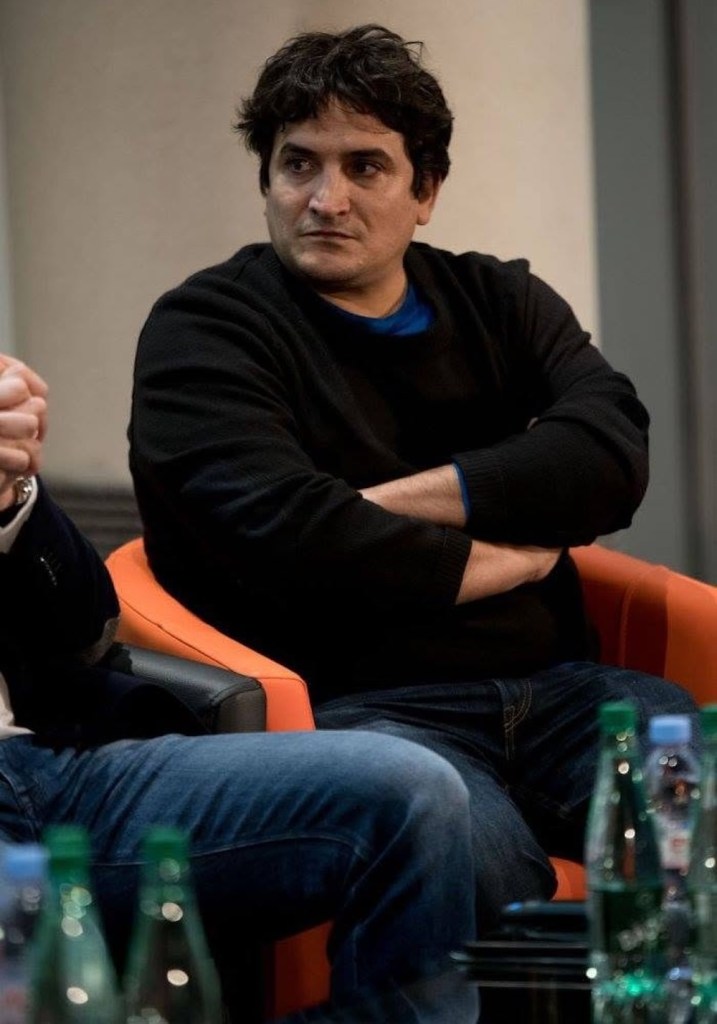
Chef. Mauro Colagreco (France)

Chef. Gianfranco Chiarini (Italy)
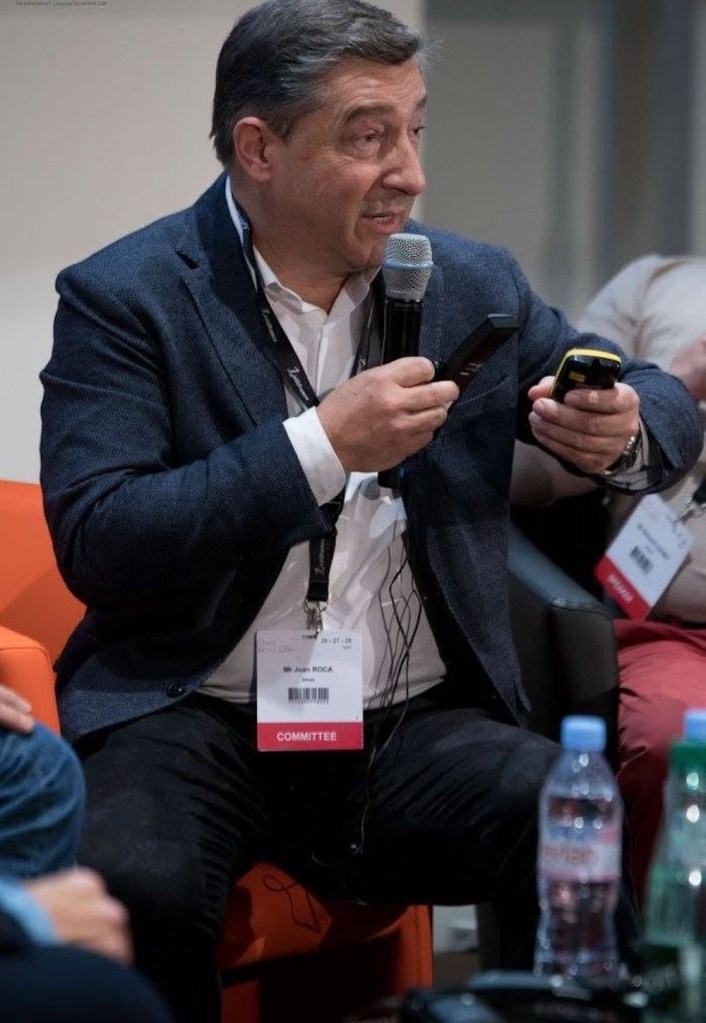
Chef. Joan Roca (Spain)
What makes such gatherings remarkable is not simply the prestige of the names involved.
It is the exchange.
The willingness of accomplished professionals to continue learning from one another.
The understanding that gastronomy is never finished.
It evolves.
Every generation inherits knowledge and then contributes something new.
The responsibility of leadership is ensuring that knowledge continues moving forward.
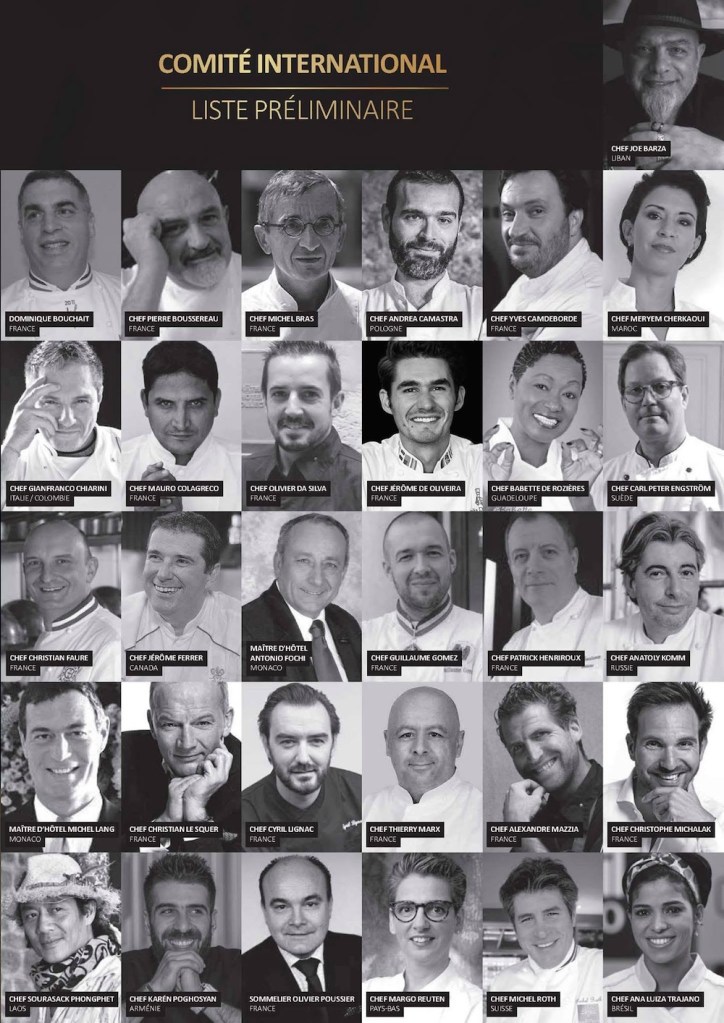
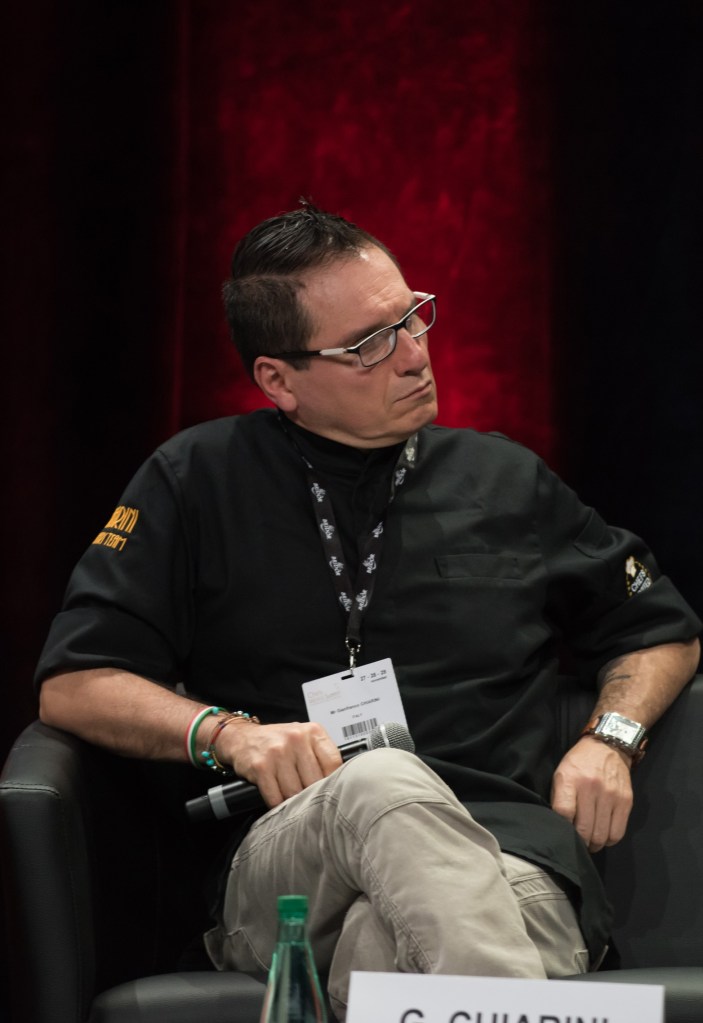
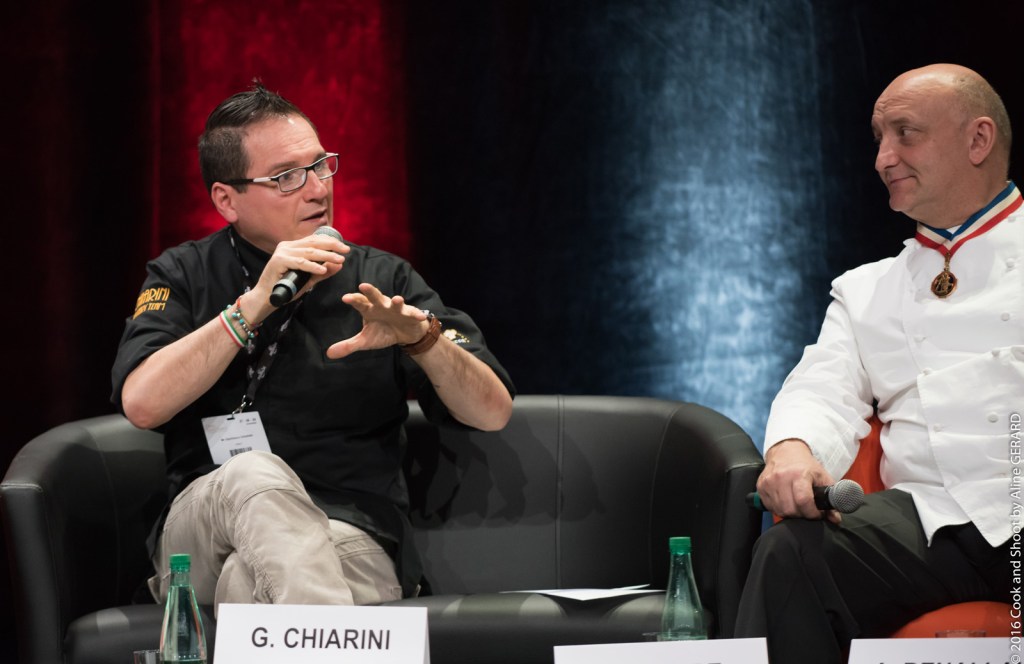
Among the chefs participating in these conversations was Chef Gianfranco Chiarini, chef/owner of the renowned Dieci Boutique Restaurant; considered Bulgaria’s Best Fine Dining and starred food experience, serving as a member of the International Committee of the Chefs World Summit.
For Chiarini, whose career has spanned more than one hundred countries, multiple continents, luxury hospitality groups, culinary education, food engineering, sustainability initiatives, and restaurant development, the summit represented something larger than individual recognition.
It represented dialogue.
Throughout a professional journey that has connected cultures, cuisines, and culinary traditions, one principle has remained constant:
Great gastronomy grows through the sharing of knowledge.
No chef develops alone. No cuisine evolves in isolation.
Every advancement is built upon conversations that began long before us.
The discussions held during the summit explored many of the questions currently shaping the industry.
How should chefs respond to changing consumer expectations?
How can gastronomy preserve cultural identity while embracing innovation?
What role should sustainability play in luxury hospitality?
How can future generations of chefs be educated not only as technicians, but as leaders?
These are not small questions.
They are questions that influence the future of restaurants, producers, suppliers, educators, and ultimately the guests themselves.
Perhaps this is why gatherings such as the Chefs World Summit remain important.
The public often sees the finished result.
- The plate.
- The menu.
- The restaurant.
What remains invisible are the conversations that helped create them.
- The exchange of ideas.
- The challenge of assumptions.
- The willingness to listen.
The humility required to continue learning regardless of experience.
Following the summit, Catherine Decuyper, CEO of Euromedicom and Informa Connect Paris, publicly acknowledged Chef Gianfranco Chiarini’s contribution to the event.
Her words were simple but meaningful.
She described his contribution as bringing “real added value” to the summit, highlighting both his broad knowledge and his perspective on the gastronomic world.
Recognition from industry leaders is always appreciated.
Yet perhaps the most meaningful aspect of such recognition is what it represents.
Respect among peers.
Trust built through years of work.
The understanding that experience becomes most valuable when it is shared.
At Dieci Boutique Restaurant, we often speak about craftsmanship.
Craftsmanship is not limited to cooking.
- It is equally present in mentorship.
- In leadership.
- In education.
In the willingness to contribute knowledge so that others may build upon it.
The future of gastronomy will not be shaped by individual chefs alone.
It will be shaped by communities of professionals willing to collaborate, exchange ideas, and challenge one another to improve.
That future is being written every day.
- Sometimes in kitchens.
- Sometimes in classrooms.
- Sometimes in restaurants.
And occasionally, in Monaco, when many of the world’s culinary leaders gather in one place and ask a simple question:
What comes next?
The answer, as always, is still being written.


Leave a Reply