Guardians of the Organic Dairy Tradition
There are ingredients that arrive in a kitchen as products. And there are ingredients that arrive as memory. The cheeses from Q-Bratsko belong to the second category.
In the town of Kubrat, in the Razgrad province of Northern Bulgaria, Ферма КуБратско — Ku-Bratsko Farm — has chosen a difficult path. It is not a large dairy designed for volume, uniformity, or anonymous distribution. It is a boutique, family-owned artisanal farm built around a quieter and more demanding idea: that dairy should still taste of animals, pasture, season, patience, and place.
At Dieci Boutique Restaurant, we do not look for dairy that behaves like an industrial ingredient.
We look for dairy that speaks.
Q-Bratsko speaks of the Ludogorie hills.
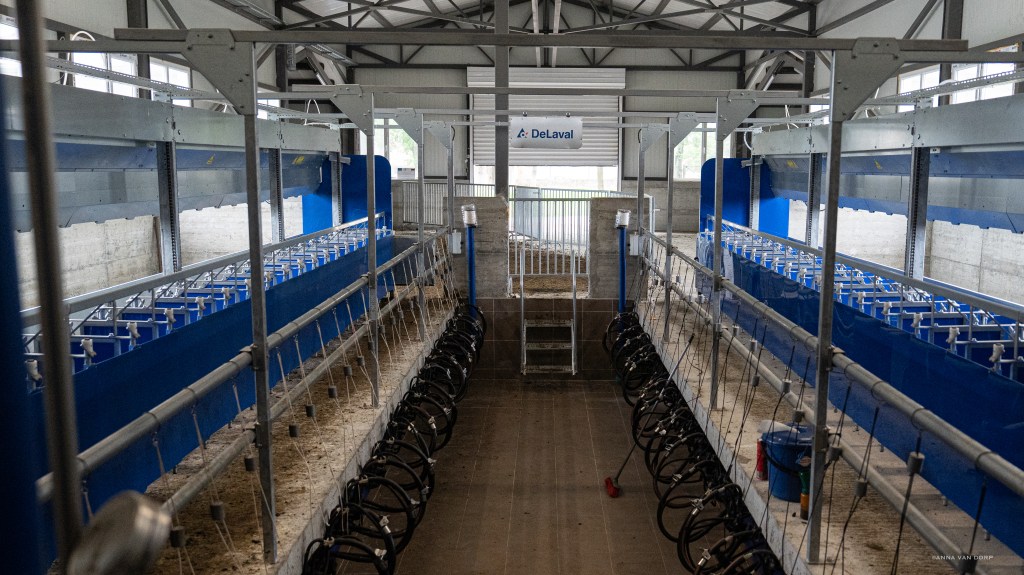
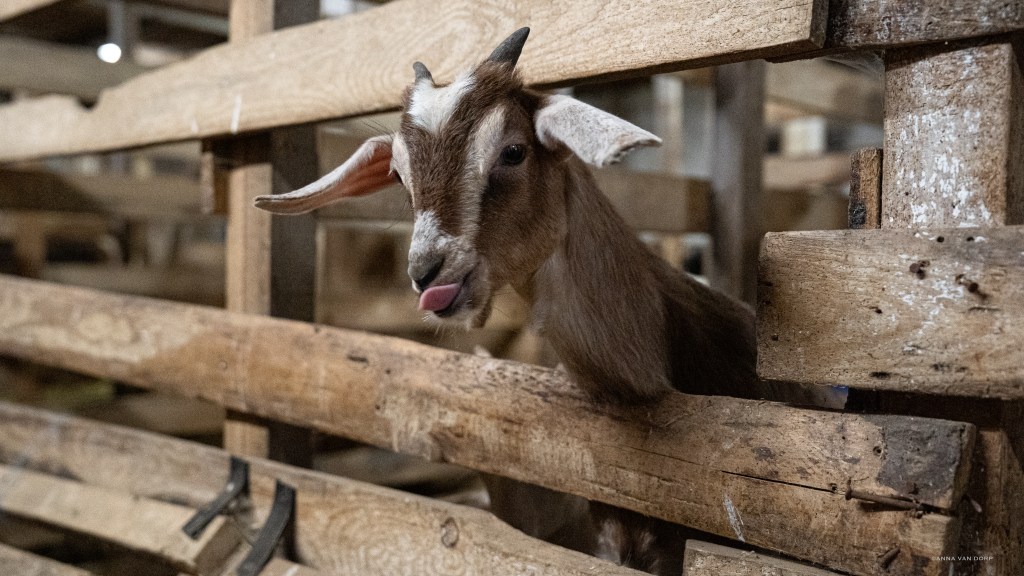
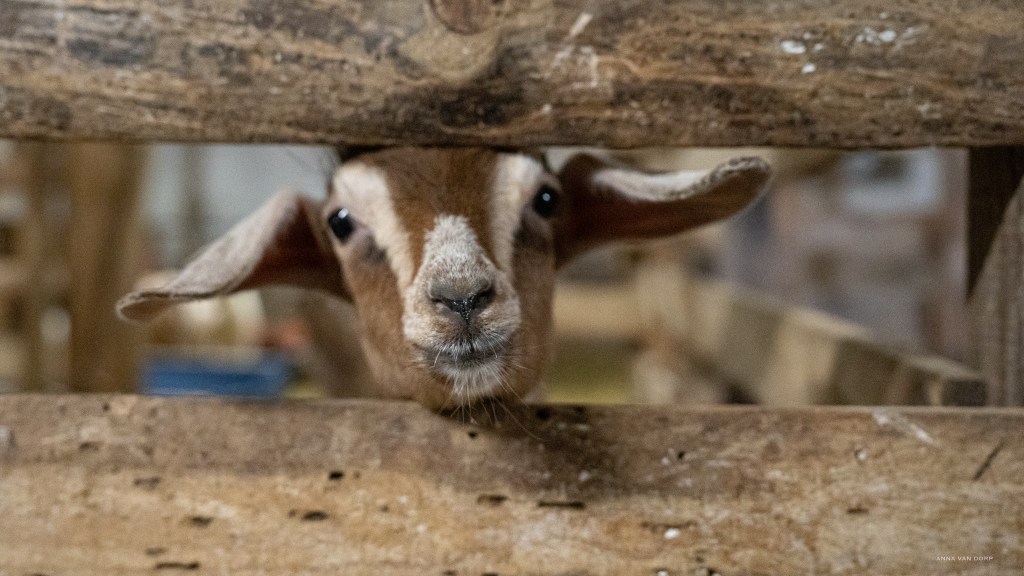
Its sheep and goats roam freely across pastures shaped by wild herbs, natural grasses, and the changing climate of Northern Bulgaria. The milk they produce does not come from abstraction. It comes from an animal, a landscape, a rhythm, and an ethical decision.
The farm’s philosophy is severe in the best possible sense. The animals are raised for dairy, not meat. Their movement, their feeding, and their welfare are part of the final flavor. This is not sentimental. It is technical. Stress changes milk. Pasture changes milk. Feed changes milk. Time changes milk.
A cheese remembers everything.
All Exquisite pictures and images masterfully captured by Anna Koster – van Dorp (Professional Photographer, Film maker, Editor) Amsterdam, Netherlands.
For a restaurant like Dieci, this matters.
We serve ten guests per night. This limitation gives us no space to hide behind quantity. Every dairy component must justify its place in the menu. A goat cream cannot merely be creamy. A sheep cheese cannot merely be salty. A yogurt cannot merely provide acidity.
Each one must carry origin.
Q-Bratsko’s dairy allows us to build foundations that are unmistakably Bulgarian without turning tradition into museum work. Their kiselo mlyako, their brined white cheeses, and their matured goat and sheep cheeses allow us to work with familiar Bulgarian references while pushing them into a more precise gastronomic language.
A spoonful of yogurt becomes acidity.
A matured sheep cheese becomes salinity.
A goat curd becomes texture.
A brined white cheese becomes memory.
None of this is decoration. It is architecture.
All Exquisite pictures and images masterfully captured by Anna Koster – van Dorp (Professional Photographer, Film maker, Editor) Amsterdam, Netherlands.
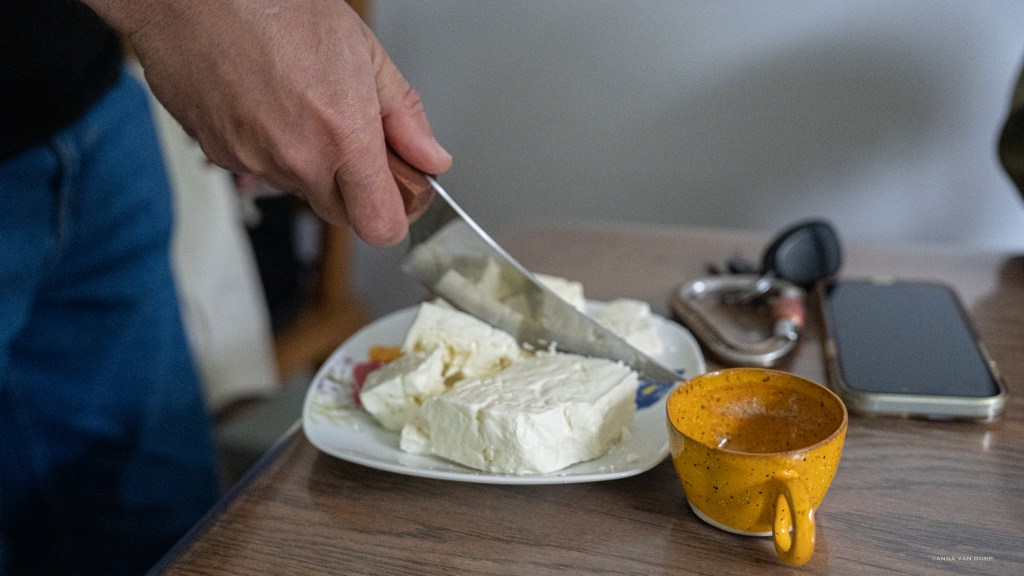
The most important quality in Q-Bratsko’s cheeses is not intensity. It is honesty.
Many luxury ingredients try too hard to announce themselves. They arrive loud, expensive, and self-important. Real ingredients do not need to perform. They simply need to be allowed to remain themselves.
This is why slow maturation matters.
The farm’s flagship cheeses age for at least sixty days, allowing flavor to deepen naturally. Time draws out complexity that cannot be forced. It changes texture. It concentrates aroma. It builds the quiet tension between sweetness, salt, fat, acidity, and pasture.
At Dieci, we use this maturation as a bridge between rustic Bulgarian dairy tradition and the precision of a contemporary tasting menu.
A Bulgarian cheese can appear as a cream, a powder, a foam, a filling, a sauce, a fermented base, or a counterpoint to vegetables grown on our own property in Devino. But the soul of the ingredient must remain visible.
Technique should never erase origin. It should reveal it.
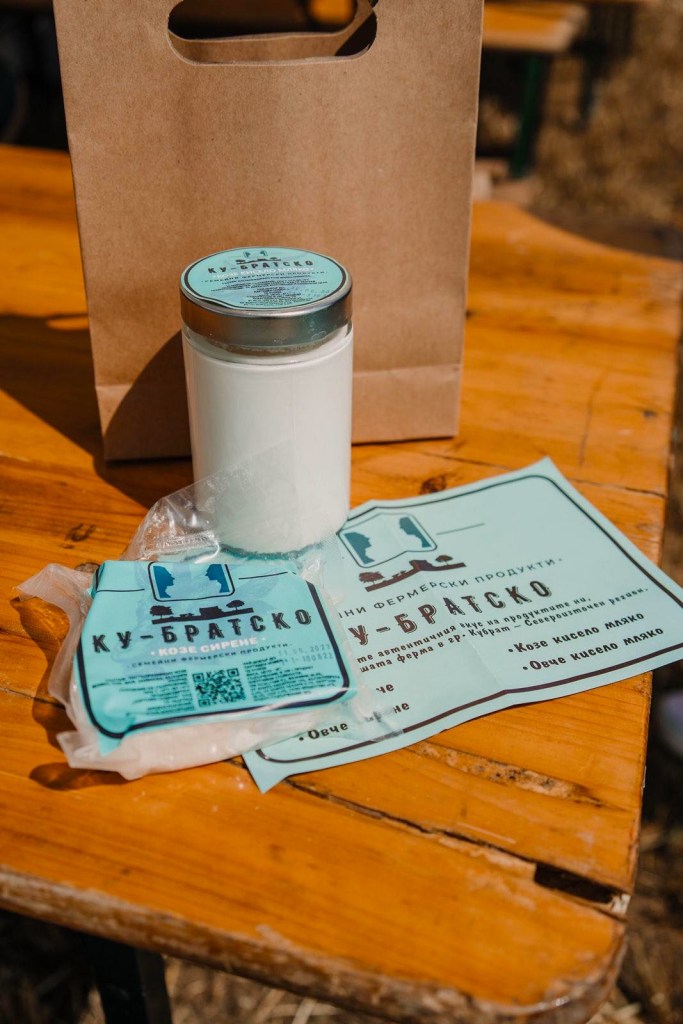
In one dish, Q-Bratsko goat cream may meet garden eggplant, tomato, pepper, and herbs. In another, sheep cheese may sharpen the sweetness of carrots or the acidity of fermented pear. In another, yogurt may become the invisible thread that holds together smoke, vegetable, and herb.
This is the difference between using a product and entering into a relationship with a producer.
After two years of working with Q-Bratsko, the ingredient is no longer external to the restaurant. It has become part of our vocabulary.
We understand its behavior. We understand its strength. We understand when it should dominate and when it should disappear. This is what makes a supplier become a collaborator.
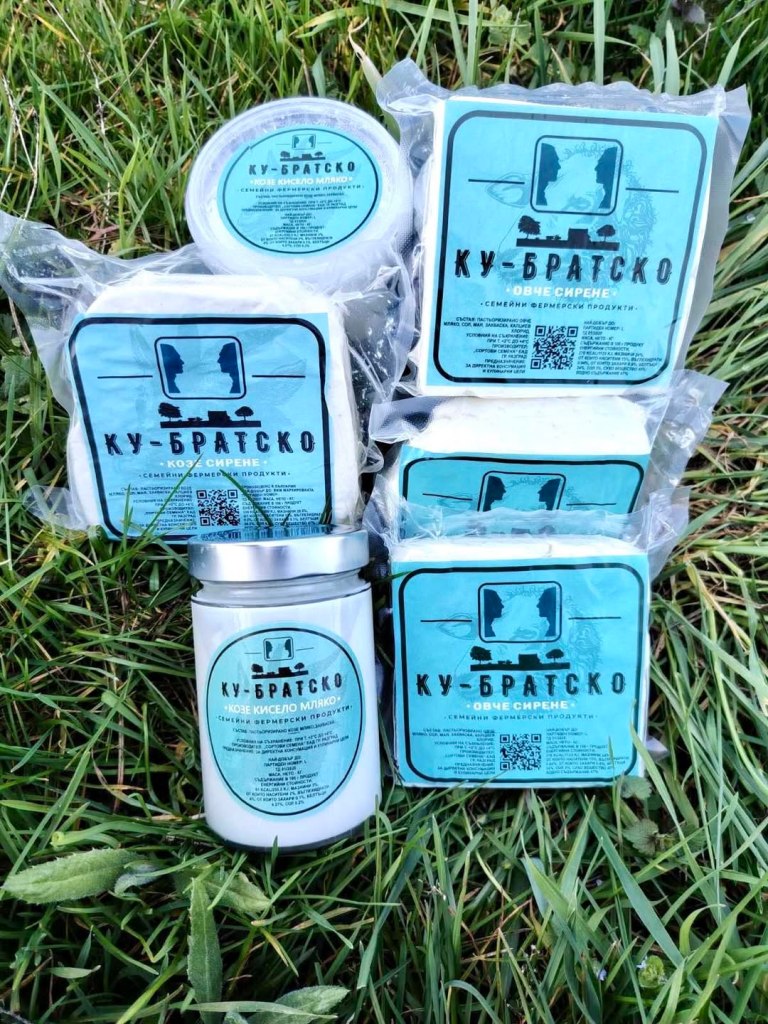
Modern fine dining often speaks about terroir in relation to wine. But dairy has terroir too.
Milk carries geography.
A goat grazing in Northern Bulgaria does not produce the same milk as a goat raised in a different country, on a different feed, under a different rhythm. The herbs of the pasture, the air of the hills, the breed, the handling, the aging room, and the decisions of the cheesemaker all become part of the final taste.
To ignore this is to misunderstand dairy completely.
At Dieci, we do not use Q-Bratsko because it is local. We use it because it is precise.
Locality alone is not enough. A restaurant cannot build a philosophy on proximity without quality. The ingredient must earn its place. Q-Bratsko earns it through discipline: small-batch production, animal welfare, traditional knowledge, and flavor that remains connected to the land.
This is the Bulgarian dairy heritage we want our guests to encounter.
Not nostalgia.
Not folklore.
Living craftsmanship.
All Exquisite pictures and images masterfully captured by Anna Koster – van Dorp (Professional Photographer, Film maker, Editor) Amsterdam, Netherlands.
There is a particular silence that happens when a guest tastes something familiar but cannot immediately name why it moves them.
That silence interests us.
It is the moment when an ingredient bypasses explanation and reaches memory.
For Bulgarian guests, Q-Bratsko’s dairy may evoke childhood, village tables, jars of yogurt, brined cheese, summer vegetables, and the old intelligence of preservation.
For international guests, it may feel like discovery.
For us, it is both.
A restaurant like Dieci exists between memory and revelation. We do not want to abandon the past. We do not want to imitate it either. We want to carry it forward with enough precision that it can stand beside the best ingredients in the world.
Q-Bratsko helps us do that.
Because the future of Bulgarian gastronomy will not be built only from luxury objects.
It will be built from milk.
From pasture. From animals treated with respect. From families who continue to produce slowly when the world rewards speed. From cheeses that mature because time still matters.
And from restaurants willing to say that this, too, is luxury.
Not imported. Not disguised. Not translated into someone else’s language. It will be Bulgarian.
All Exquisite pictures and images masterfully captured by Anna Koster – van Dorp (Professional Photographer, Film maker, Editor) Amsterdam, Netherlands.


Leave a Reply