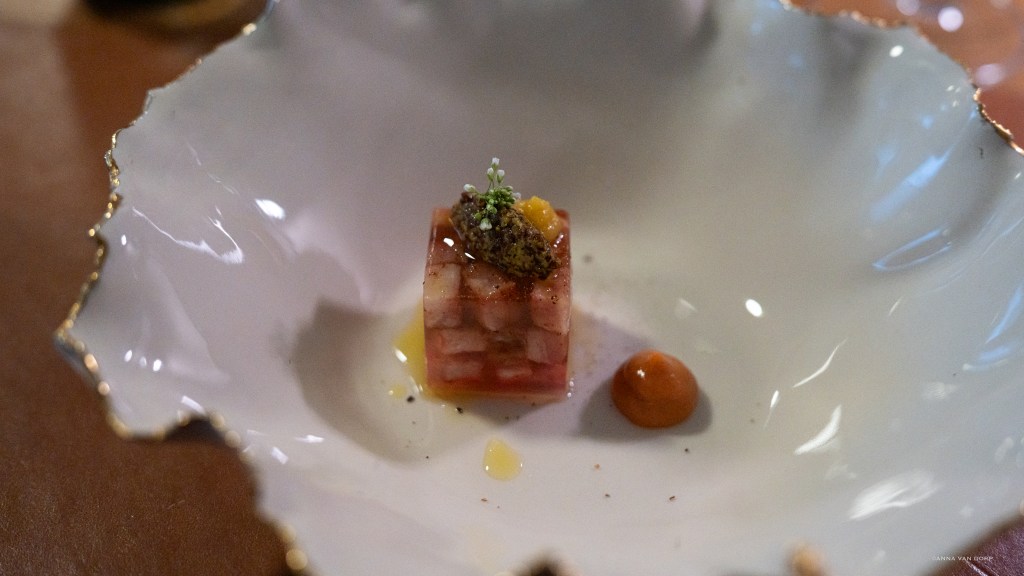
• Monteremi: The Freedom of Doing Things the Hard Way

    There is a moment in every agricultural project when its founders must make a decision. Not a technical decision. Not a financial decision. A philosophical one.

    The question is simple: Are you trying to control nature? Or are you trying to understand it?

    Most modern agriculture chooses control. Control creates predictability. Predictability creates efficiency. Efficiency creates scale. Scale creates profit. The formula is familiar. Monteremi chose something else.

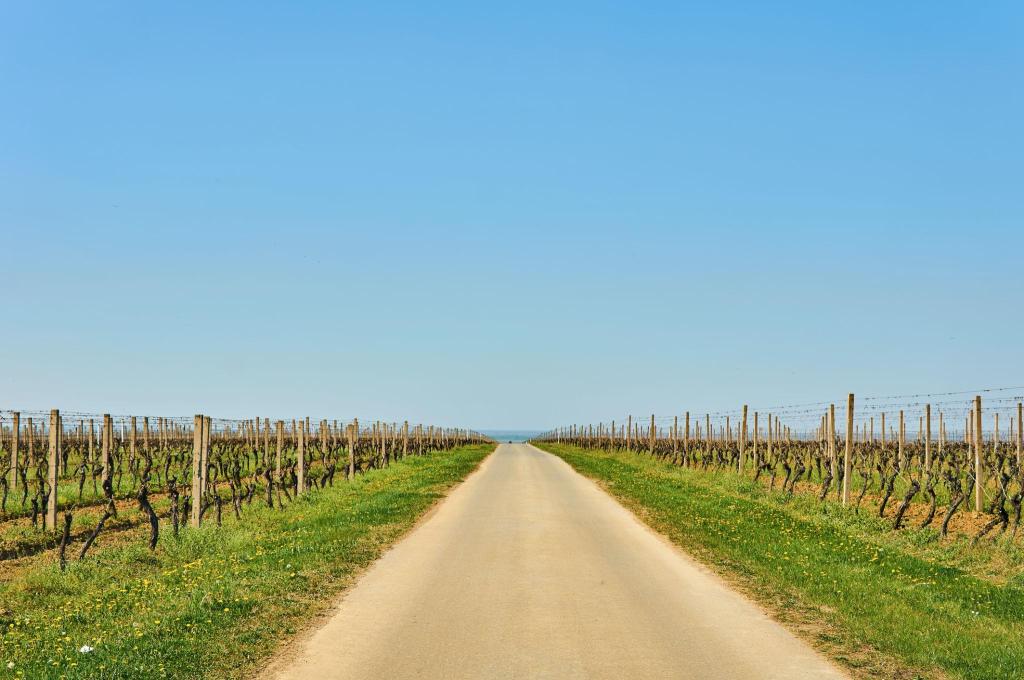
    Hidden in the rolling landscape near Elhovo in the Stara Zagora region of Bulgaria, Monteremi is not merely a winery. It is an argument. An argument against unnecessary intervention. Against shortcuts. Against the assumption that modern agriculture always improves what came before.

    And perhaps most importantly, against the belief that bigger automatically means better.

    At Dieci Boutique Restaurant, we are drawn to producers who make difficult decisions for the right reasons. Monteremi is one of them.

    A Hill That Refuses Convenience

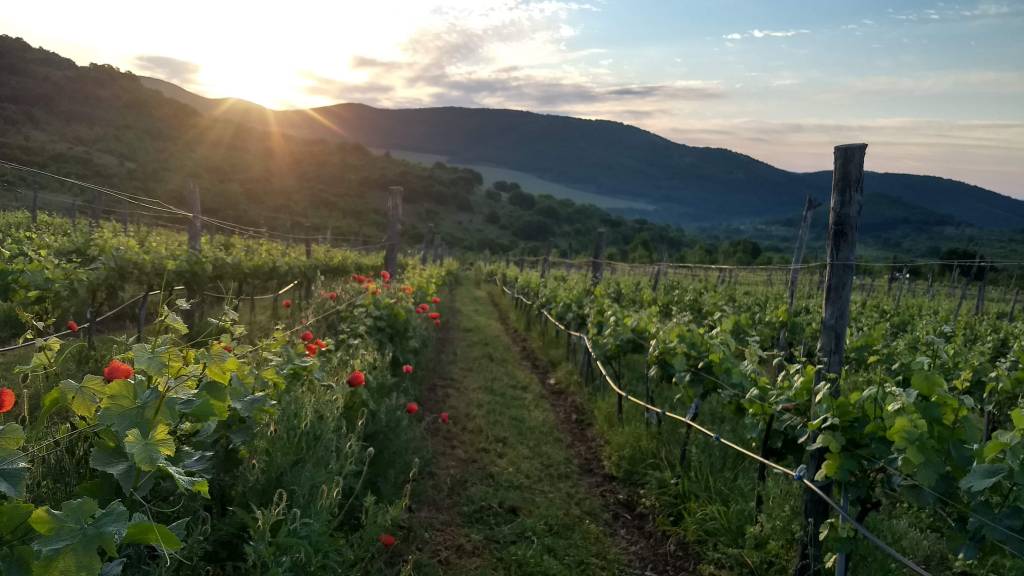
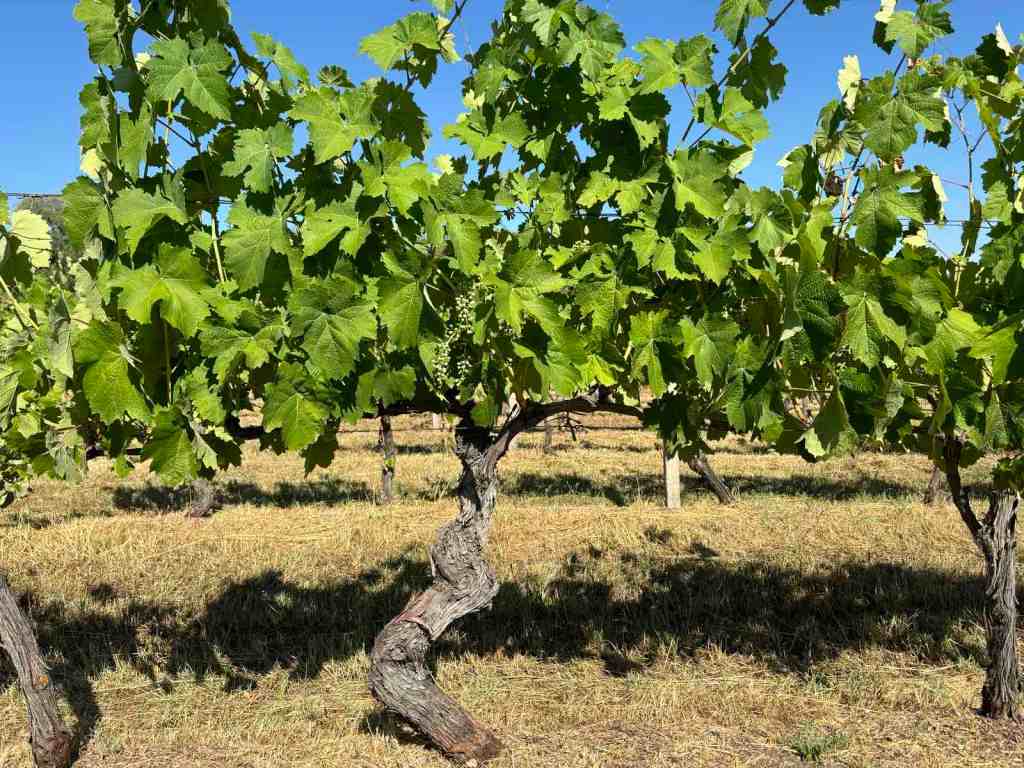
    The first thing visitors notice about Monteremi is that the vineyard itself appears inconvenient. The slope is steep. The terrain is demanding. The soil is stubborn. There are easier places to plant vines. This is precisely why the site matters. Great agriculture often begins where convenience ends.

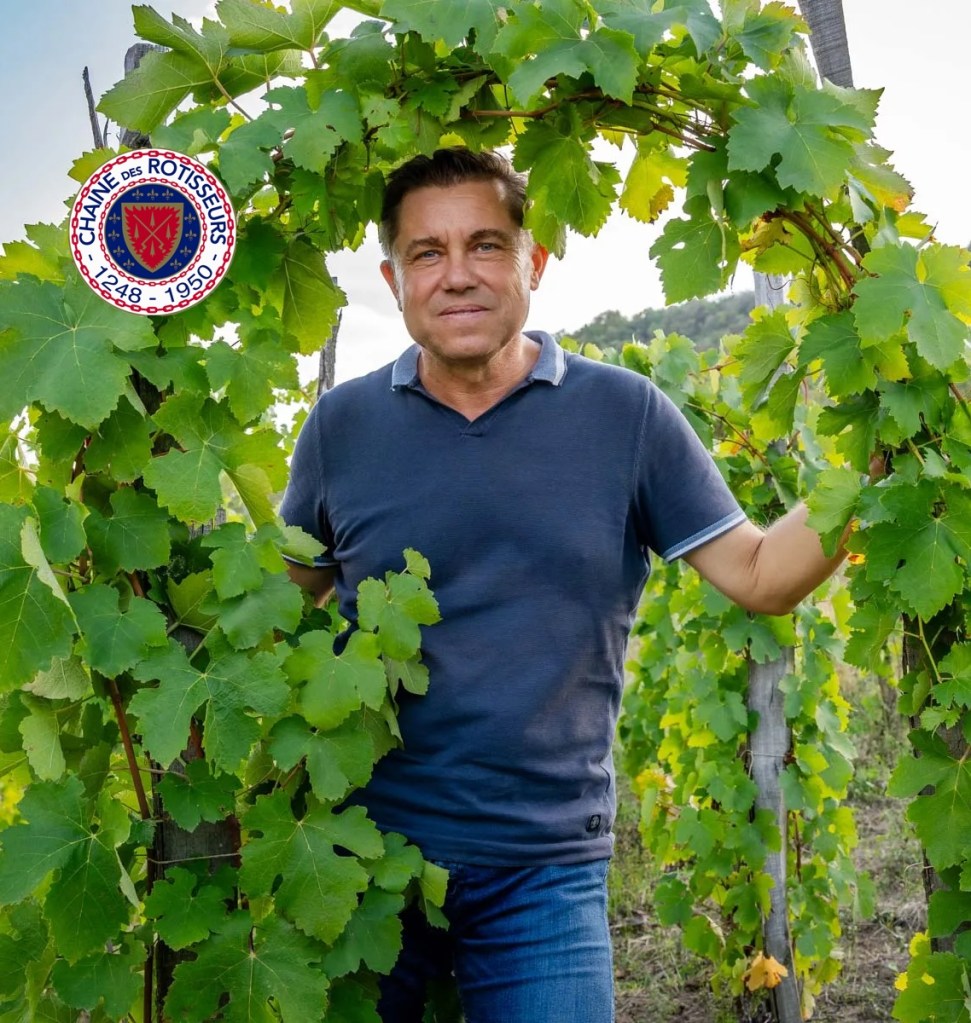
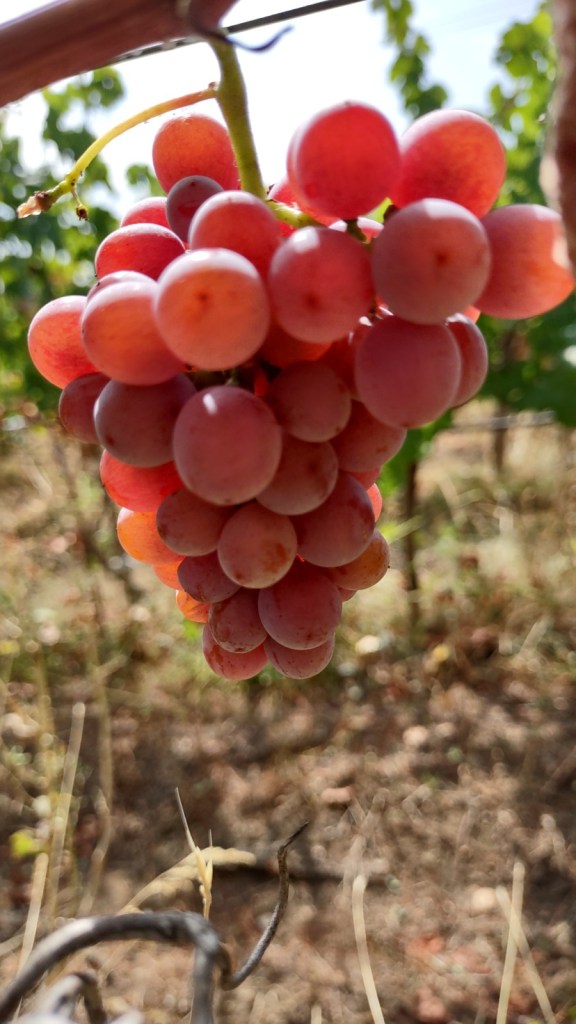
    The vineyard stretches across a limestone-rich hillside surrounded by wild herbs, native vegetation, and the rhythms of an environment that remains largely untouched by industrial thinking.

    Thyme grows naturally. Yarrow appears where it chooses. St. John’s wort shares the landscape with the vines. The result is not merely visual beauty. It is ecological complexity. The vineyard behaves less like a factory. More like an ecosystem. And ecosystems produce character.

    Anton and the Refusal of Excess

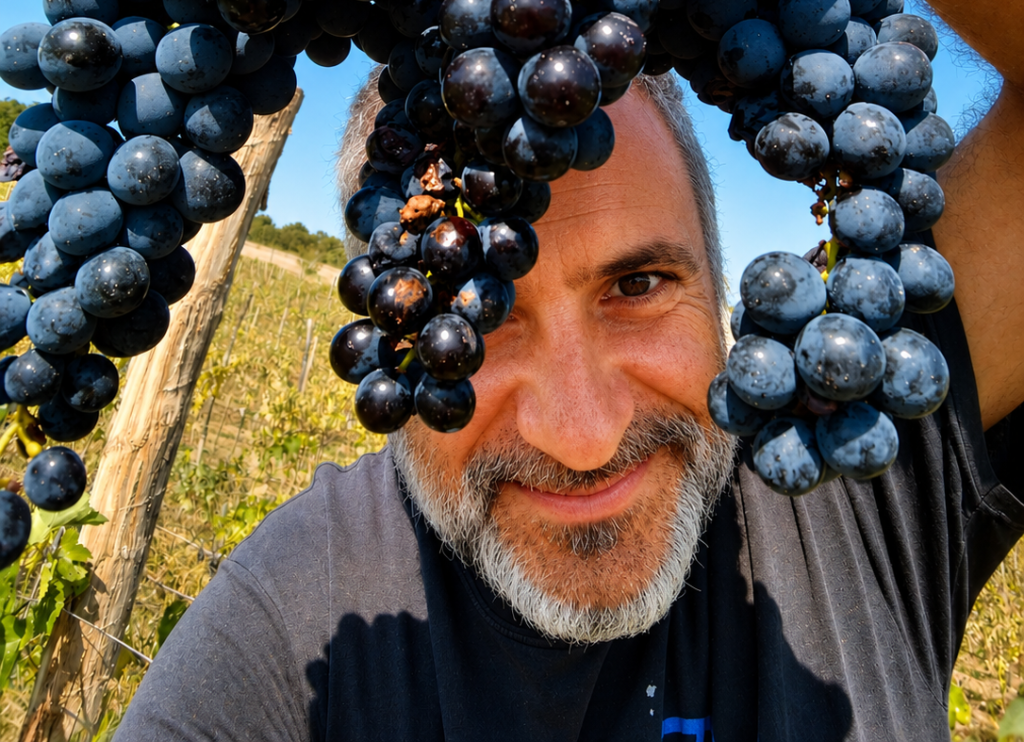
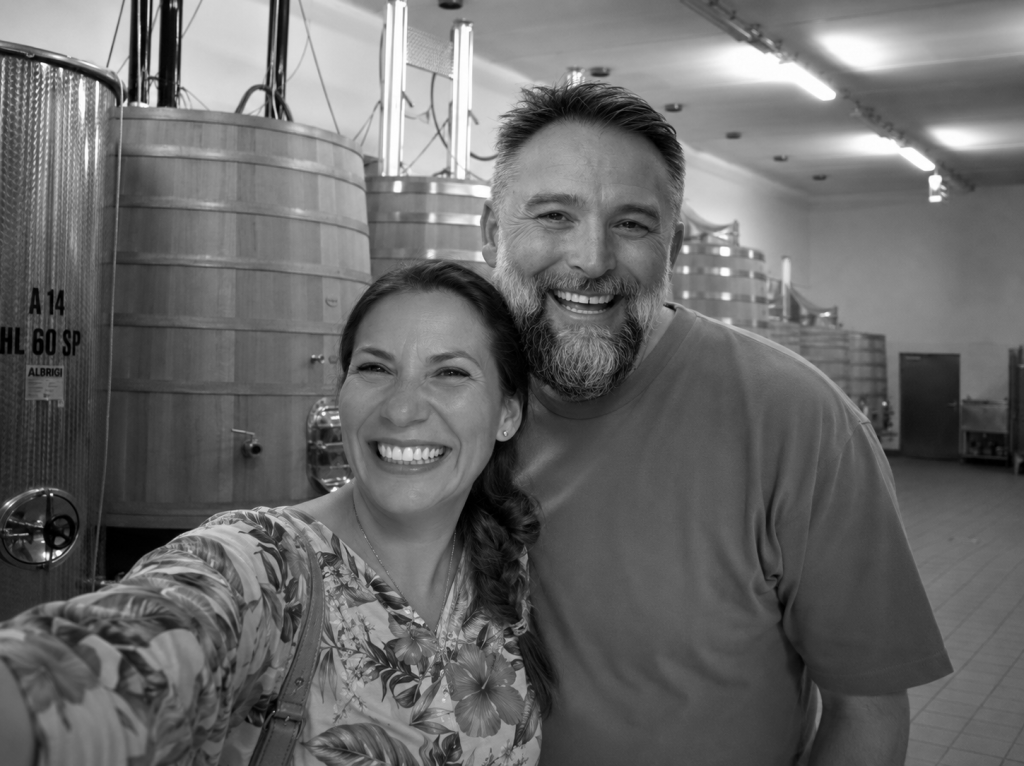
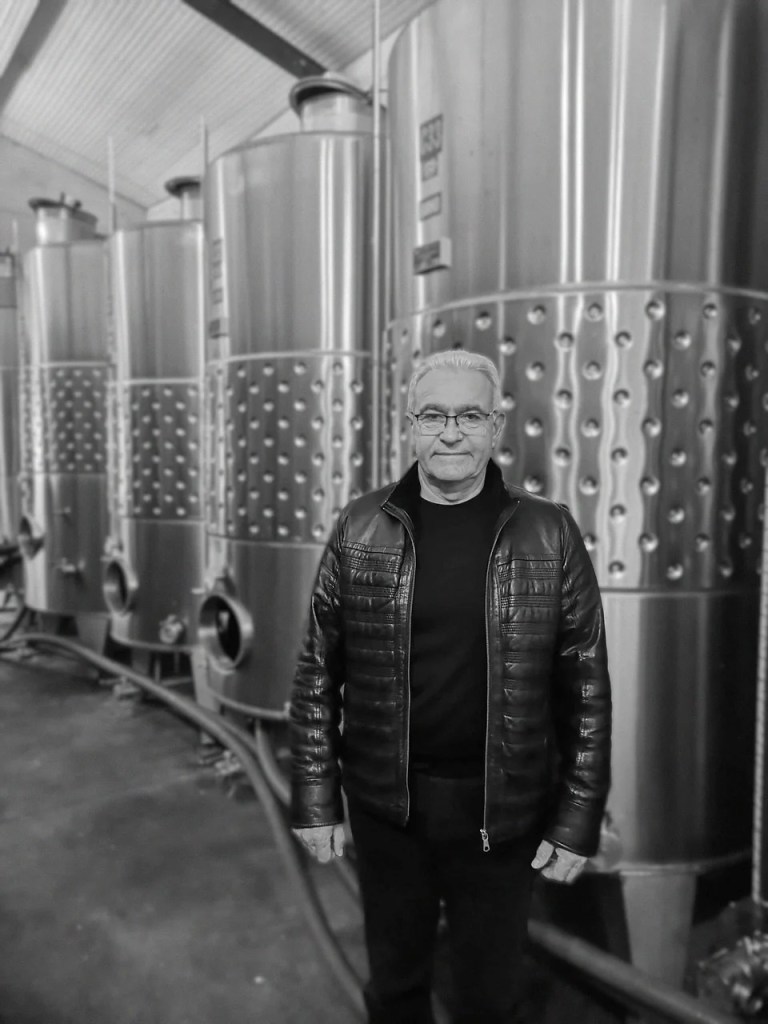
    Every serious winery eventually becomes a reflection of the person guiding it. At Monteremi, that person is Anton.

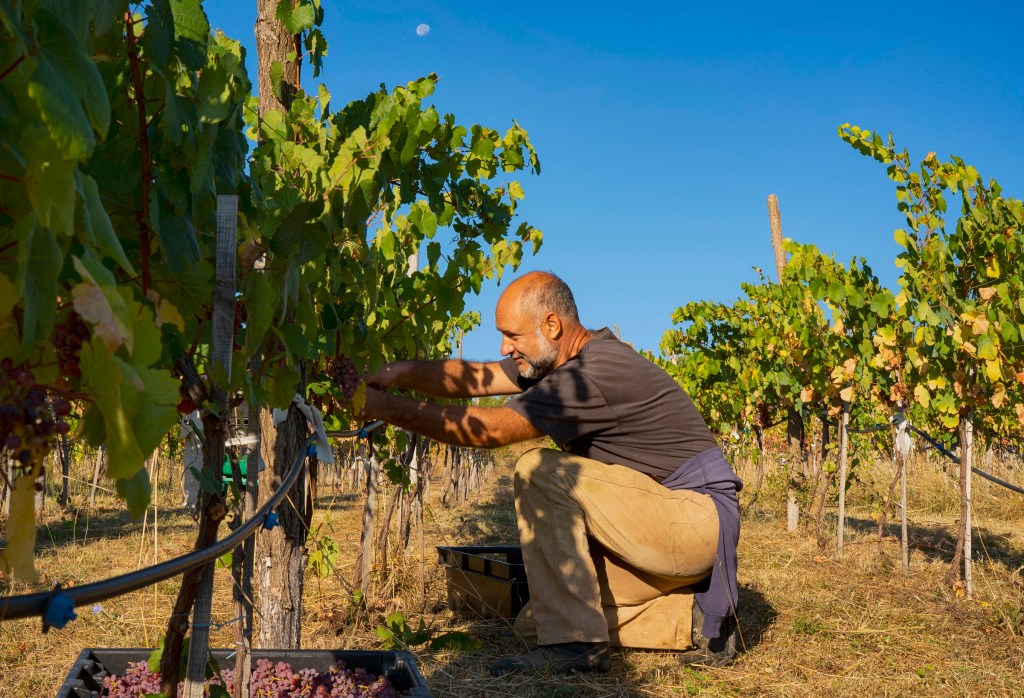
    His philosophy is radical only because modern agriculture has become accustomed to the opposite. The vineyard avoids heavy machinery. Chemical fertilizers are rejected. Intervention remains minimal. Nature is not treated as an obstacle to overcome. It is treated as a partner. This does not make the work easier. Quite the opposite.

    Low-intervention farming demands greater observation. Greater patience. Greater humility. The farmer cannot simply impose solutions. The farmer must first understand problems. This difference changes everything. Because understanding requires attention. And attention remains one of the rarest resources in modern agriculture.

    The Beauty of Imperfection

    Modern consumers are often trained to expect consistency. Every bottle should taste identical. Every harvest should behave predictably. Every vintage should resemble the previous one. Monteremi rejects this expectation. Not recklessly. Intentionally.

    The winery embraces vintage variation. Seasonal influence. Natural differences. Because these elements represent truth.

    A wine that changes from year to year is not necessarily flawed. It may simply be honest. Climate changes. Rainfall changes. Sunlight changes. The vines respond accordingly.

    Monteremi allows those changes to remain visible. The wines become records of time. Not products of standardization.

    Fermentation Without a Script

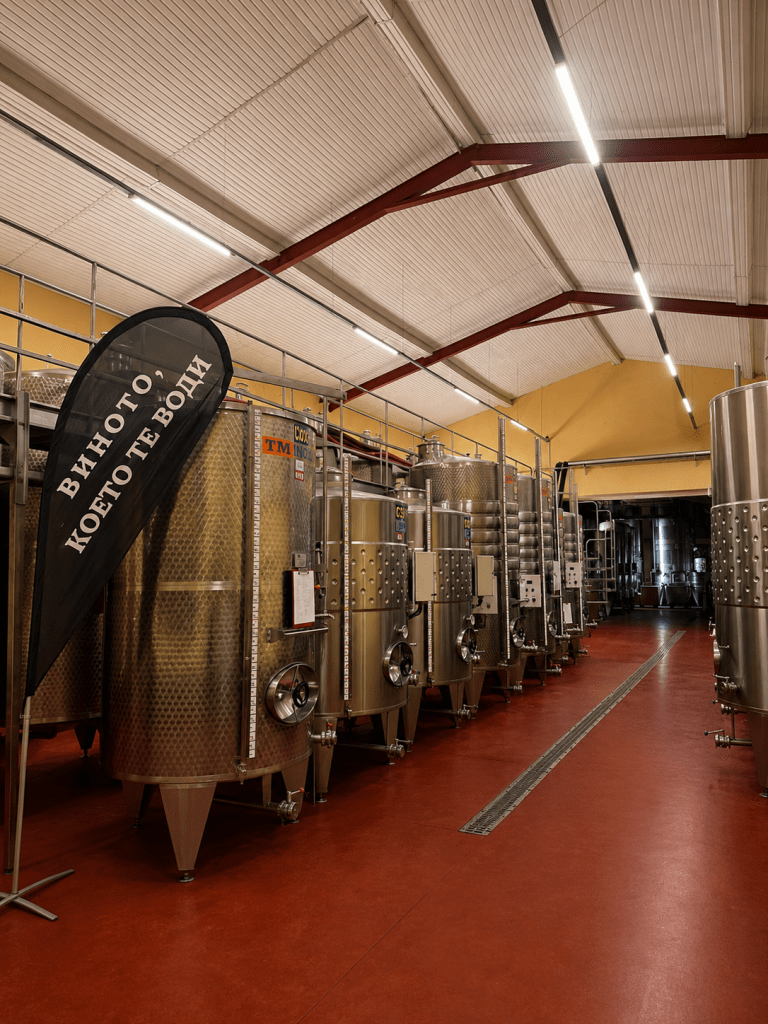
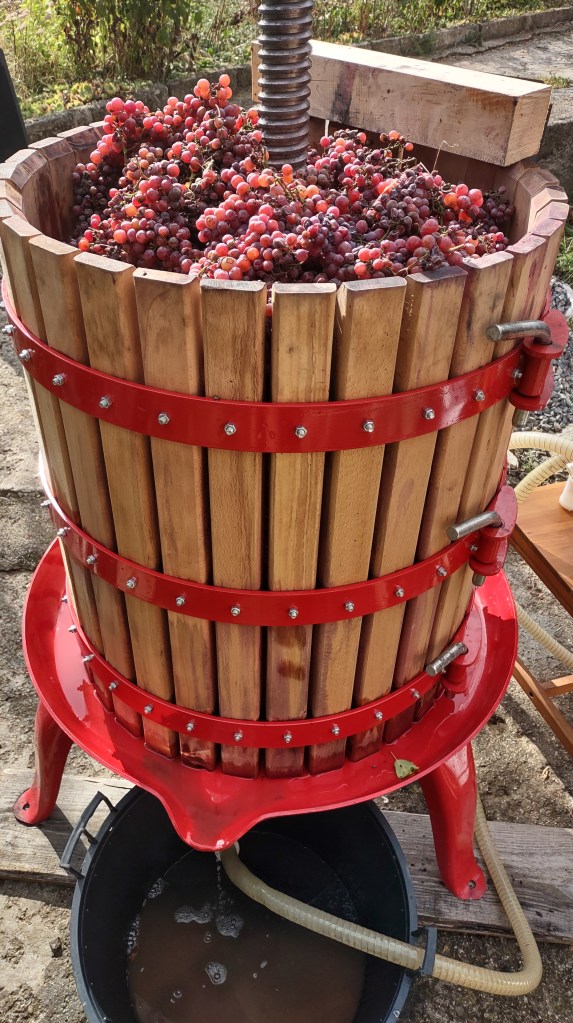
    One of the defining characteristics of Monteremi is its commitment to spontaneous fermentation. No commercial yeast. No engineered shortcuts.

    The process begins with naturally occurring microorganisms already present in the vineyard and cellar.

    This approach introduces risk. Fermentations can behave unpredictably. Timelines become less certain. Results become less uniform. Many wineries avoid these risks. Monteremi embraces them. Because complexity often emerges from uncertainty.

    The yeast population becomes part of the terroir. Part of the vineyard’s identity. Part of the final expression. The wine does not merely come from the vineyard. It comes from the living ecosystem surrounding the vineyard. This distinction may seem subtle. Its impact is profound.

    The Orange Revolution

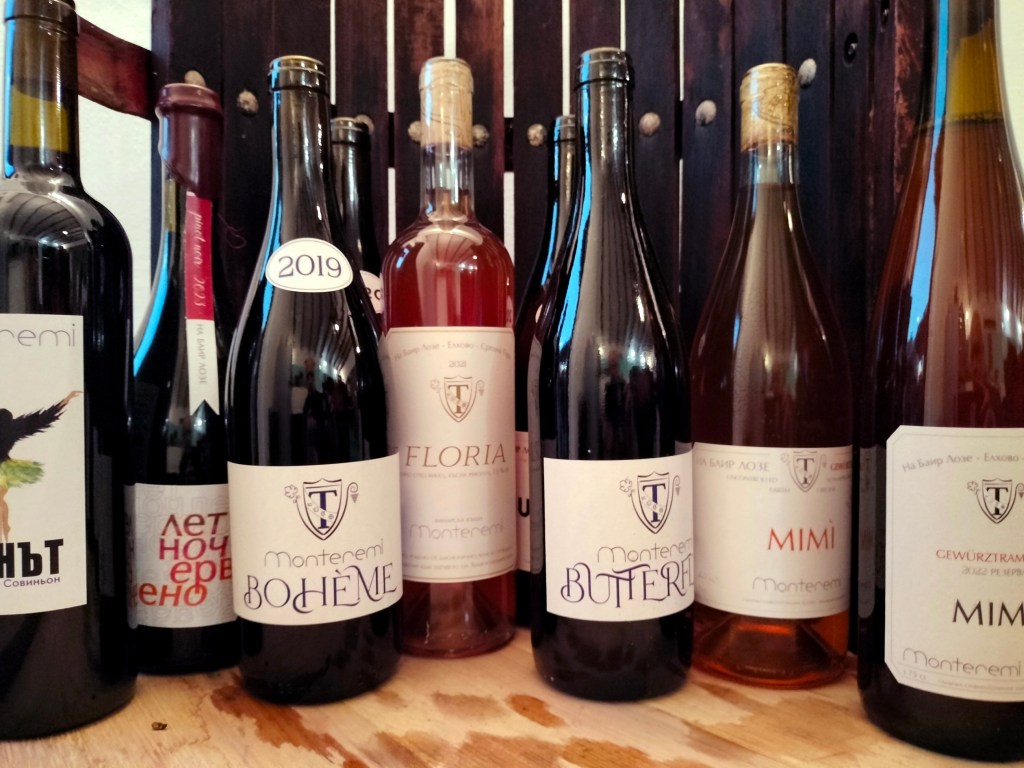
    Among Monteremi’s most fascinating wines is Gewürztraminer Floria.

    At first glance, the choice appears unusual. Gewürztraminer is not a grape typically associated with Bulgarian identity. Yet Monteremi’s interpretation feels deeply connected to place. Through extended skin contact, the wine enters the world of orange wine. The result is textured.

    • Aromatic.
    • Structured.
    • Layered.
    • Floral notes intertwine with spice.
    • Freshness meets grip.

    The wine becomes simultaneously familiar and surprising.

    At Dieci, this style of wine plays an important role. Not because it is fashionable. Because it creates conversation. Orange wines occupy a space between categories. Guests must pay attention. Assumptions become unreliable. Discovery becomes possible.

    Sagrantino in Bulgaria

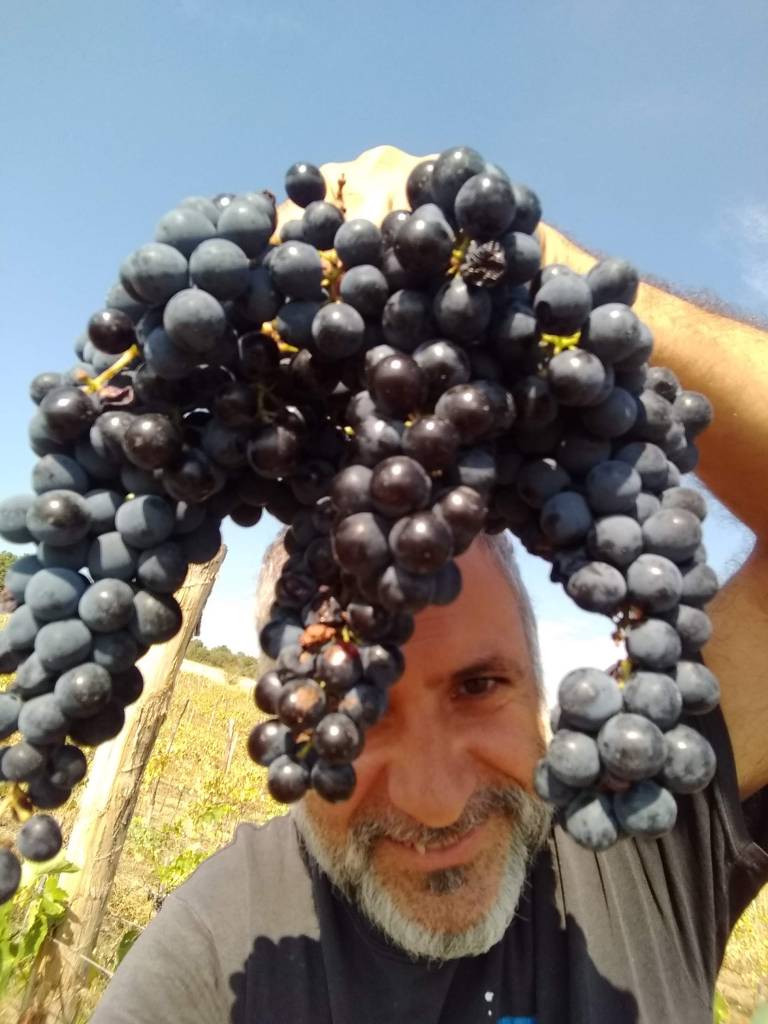
    Perhaps no decision better illustrates Monteremi’s spirit than the cultivation of Sagrantino. The grape is famously difficult. Tannic. Demanding. Stubborn. Most producers would not consider it an obvious choice. Anton did.

    And that choice reveals something important. Monteremi is not attempting to replicate established formulas. The winery explores possibility.

    • What happens when difficult grapes meet unexpected landscapes?
    • What happens when unconventional decisions are given enough time?
    • What happens when experimentation is guided by conviction rather than trend?

    The answers appear bottle by bottle. Vintage by vintage. Slowly. Patiently. Without fanfare.

    Saturnalia

    Every winery eventually produces a bottle that serves as a manifesto.

    At Monteremi, Saturnalia comes remarkably close. The blend combines Pinot Noir, Sangiovese, Cabernet Franc, and Sagrantino. Each variety contributes something essential.

    • Finesse.
    • Freshness.
    • Structure.
    • Depth.

    The wine becomes a conversation between grapes. A balance between restraint and intensity.

    At Dieci, Saturnalia performs beautifully alongside some of the restaurant’s most complex dishes.

    Wild truffles. Aged dairy. Slow-cooked proteins. Fermented elements.

    The wine does not dominate. It participates. Which is exactly what great wine should do.

    Why Monteremi Belongs at Dieci Boutique Restaurant?

    Many producers create excellent products. Far fewer share a common philosophy.

    Monteremi and Dieci arrive at similar conclusions from different directions.

    The winery believes that intervention should be limited. The restaurant believes that ingredients should speak clearly.

    The winery values ecological intelligence. The restaurant values circular gastronomy.

    The winery chooses quality over quantity. The restaurant serves ten guests.

    The parallels are obvious. Both projects reject industrial logic. Both prioritize authenticity over efficiency. Both understand that limitations can become strengths.

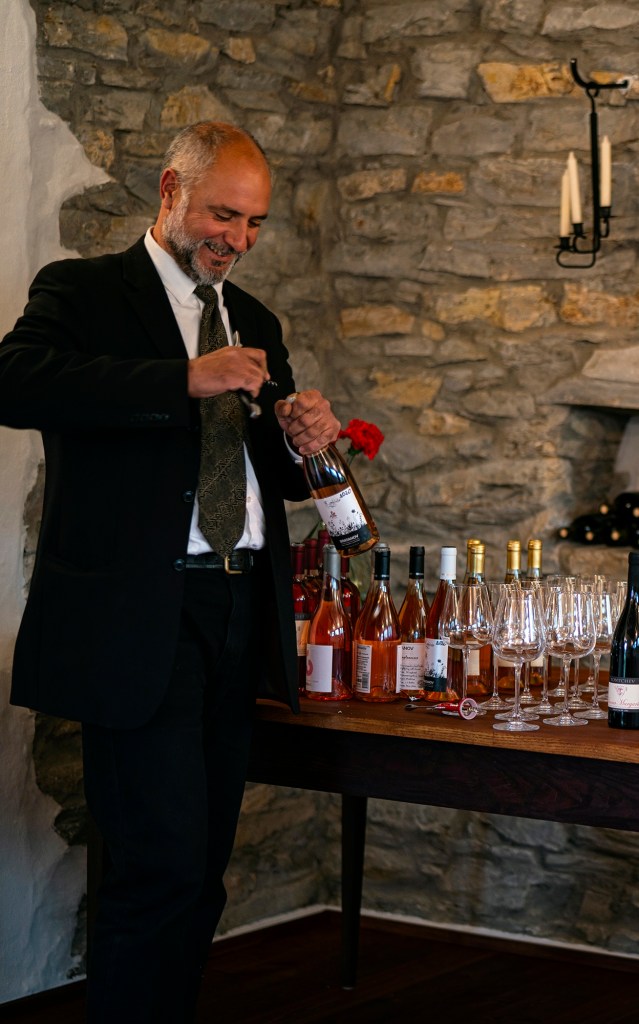
    This alignment creates a natural partnership. The wines do not merely accompany the menu. They reinforce its worldview.

    The Future of Small Producers

    The future of gastronomy will not belong exclusively to the largest producers. Nor should it.

    Some of the most important agricultural ideas emerge from small projects operating far from the spotlight. Monteremi represents this reality. A single hillside. A focused vision. A commitment to patience. A willingness to remain small.

    In a world increasingly obsessed with scale, these qualities become revolutionary. Because scale can produce volume. But it rarely produces intimacy. And intimacy is where character lives.

    A Different Definition of Success

    Success in wine is often measured through numbers. Cases produced. Markets entered. Awards won. Exports achieved.

    Monteremi invites a different measurement.

    • Can a vineyard remain honest?
    • Can a producer remain curious?
    • Can a wine remain connected to its place?
    • Can agriculture remain human?

    These questions matter more than production statistics. Because they determine whether a winery becomes memorable. Monteremi has chosen its answer. The hard way. The slow way. The uncertain way. The human way.

    And that is precisely why its wines belong at Dieci. Not because they are perfect. Because they are alive. And because every bottle reminds us that nature rarely produces greatness through control.

    It produces greatness through relationship. The vineyard listens. The wine responds. The guest discovers. And the conversation continues.

  • The Dieci Phenomenon Explained
    Luxury dining has become remarkably predictable.

    Walk into enough acclaimed restaurants—in Paris, Rome, London, Dubai or New York—and the differences begin to disappear. The lighting changes. The tableware changes. The wine list changes. Yet the underlying proposition remains almost identical: prestige, abundance and even fake polished execution.

    The industry calls this excellence.

    Perhaps it has mistaken consistency for it.

    Picture Credits: Velislav Baldev professional photographer, filmmaker, and editor from Plovdiv, Bulgaria. Lyon Visuals

    The Restaurant That Refuses to Compete

    Most restaurants compete on the same battlefield.

    • A larger cellar.
    • A more celebrated chef.
    • A longer tasting menu.
    • A rarer ingredient.
    • A higher position on a ranking that few diners can explain.

    This is an arms race. It rewards scale, investment and spectacle.

    Dieci has chosen not to enter it. Not because it cannot compete. Because it rejects the premise that this is what a great restaurant should aspire to become.

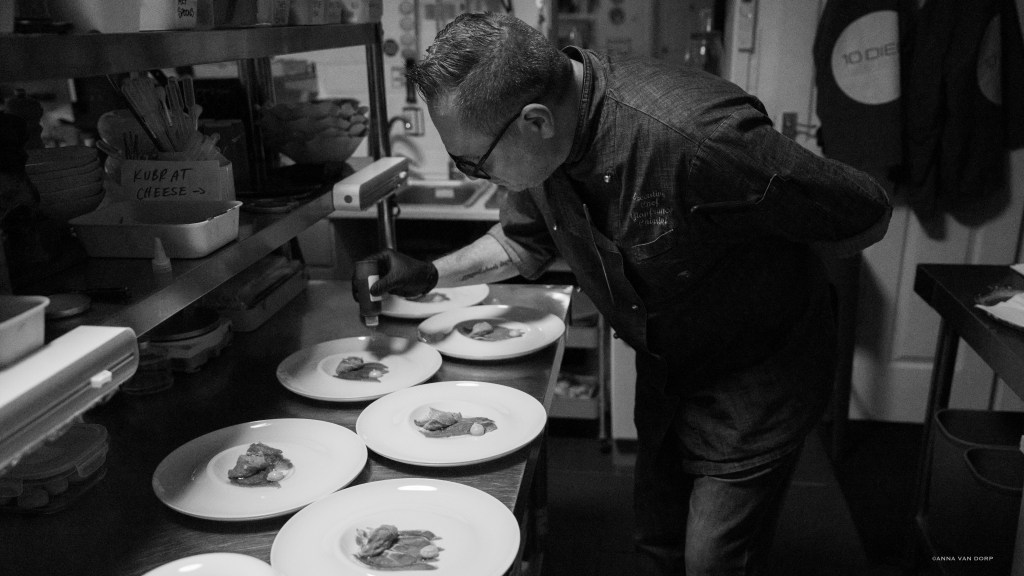
    Picture Credits: Anna van Dorp: @annavandorp (Professional Photographer, Film maker, Editor) Amsterdam, Netherlands.

    Scarcity Is Not a Marketing Strategy

    In most luxury businesses, scarcity is manufactured.

    • Limited editions.
    • Invitation-only access.
    • Artificial waiting lists.

    Scarcity becomes another product to sell. Dieci approaches it differently.

    There are only a handful of seats because the experience cannot exist at a larger scale without becoming something else. Every additional table would dilute the attention. Every additional member of staff would increase distance between the guest and the people creating the experience.

    Growth is possible. Replication is not. There is an important difference.

    Picture Credits: Anna van Dorp: @annavandorp (Professional Photographer, Film maker, Editor) Amsterdam, Netherlands.

    Picture Credits: Anna van Dorp: @annavandorp (Professional Photographer, Film maker, Editor) Amsterdam, Netherlands.

    Local Is Not a Decoration

    Many restaurants speak proudly about local ingredients.

    Far fewer are willing to build an entire business around them.

    Imported luxury has become the industry’s default language. Caviar from one country. Wagyu from another. Truffles from somewhere else.

    There is nothing inherently wrong with these products.

    But they are available to anyone with sufficient purchasing power.

    They are not identity.

    Identity begins where substitution ends.

    When the landscape, its producers and its seasons become impossible to replace, the restaurant stops borrowing prestige from elsewhere and begins creating its own.

    Picture Credits: Velislav Baldev professional photographer, filmmaker, and editor from Plovdiv, Bulgaria. Lyon Visuals

    Picture Credits: Velislav Baldev professional photographer, filmmaker, and editor from Plovdiv, Bulgaria. Lyon Visuals

    Excellence Is Quiet

    The hospitality industry has developed an unhealthy obsession with visibility.

    • Awards.
    • Rankings.
    • Social media.
    • Appearances.
    • Public relations.

    None of these are evidence of quality.

    They are evidence of attention.

    The two are frequently confused.

    Restaurants have closed with shelves full of trophies.

    Others remain fully booked for decades without ever entering a competition.

    The market eventually discovers substance.

    It only takes longer.

    Picture Credits: Hristiyan Agushev professional photographer from Plovdiv, Bulgaria. Lyon Visuals

    Picture Credits: Hristiyan Agushev professional photographer from Plovdiv, Bulgaria. Lyon Visuals

    The Future Belongs to Conviction

    Trying to satisfy everyone has never produced remarkable restaurants.

    It produces safe menus.

    • Safe interiors.
    • Safe opinions.
    • Safe businesses.

    Dieci makes choices that inevitably exclude some people.

    That is not a weakness.

    It is the unavoidable consequence of having standards.

    Restaurants that know exactly who they are will always appear divisive to those who expect them to be everything at once.

    History suggests that the future rarely belongs to consensus.

    It belongs to conviction.

    Picture Credits: Anna van Dorp: @annavandorp (Professional Photographer, Film maker, Editor) Amsterdam, Netherlands.

    Picture Credits: Anna van Dorp: @annavandorp (Professional Photographer, Film maker, Editor) Amsterdam, Netherlands.

    Zero Dilution of Quality:

    In Sofia—and any major city—“top” restaurants are machines. Executive chef, sous chefs, line cooks, front-of-house. Layers. And with layers comes dilution.

    At Dieci, there is no hierarchy. No middlemen. No weak links. The same hands that forage the ingredients in the farm or in the forest are the ones cooking and serving them. Nothing gets lost in translation because there is no translation. That level of purity is structurally impossible to replicate in a 40+-cover urban operation with staff turnover and operational noise.

    Radical Sustainability vs. Greenwashing:

    City restaurants love the language of sustainability. “Farm-to-table,” “local sourcing,” “seasonal menus.” But they only scratch the surface—most still rely on industrial supply chains to function.

      Dieci doesn’t. They generate their own electricity. Pump their own water. Grow most of what they serve. This isn’t branding—it’s infrastructure. In a city, independence is a marketing angle. In Devino, it’s survival. And diners can feel the difference immediately.

      The Anti-Vibe

      Urban dining is built for throughput—noise, speed, turnover. Dieci rejects all of it.

        The Pace: You don’t book a table—you occupy a space for the night. No rush, no pressure, no silent expectation to leave.

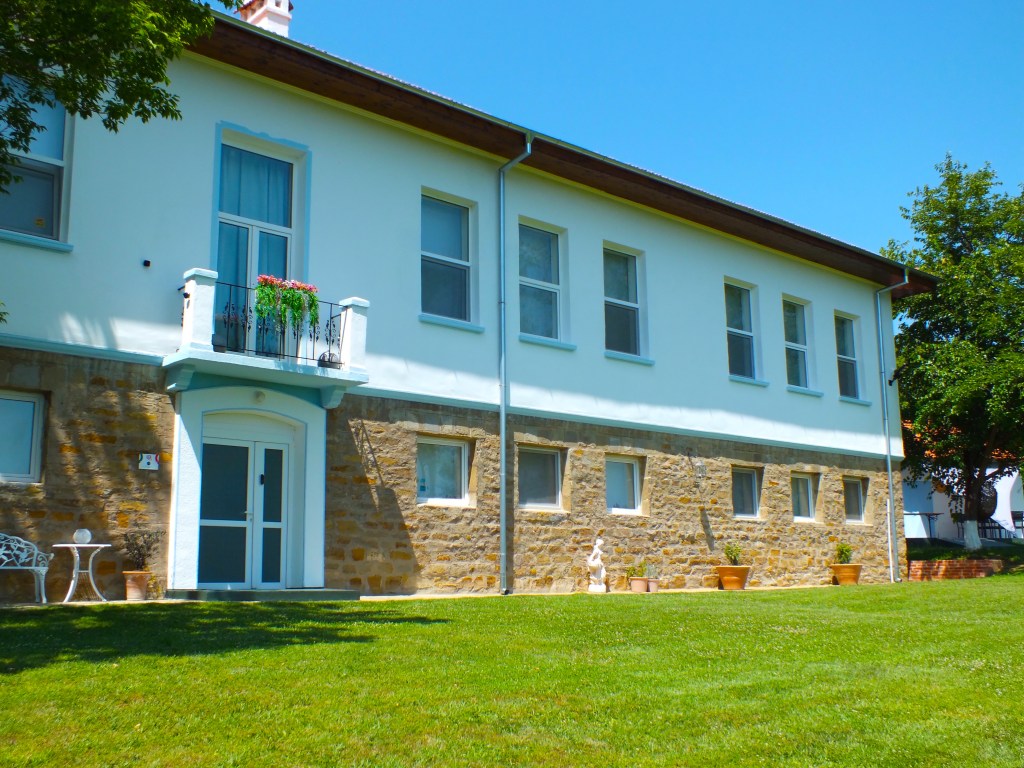
        The Setting: A restored schoolhouse in a village of ten people forces a mental reset. No distractions. No performance. Just presence. It’s not ambiance. It’s psychological decompression.

        Intellectual Honesty

        Sofia’s “aspiring” fine dining scene often tries unsuccessfully to imitate London, Paris, Dubai—anywhere but itself.

          Dieci goes in the opposite direction. They take Bulgarian ingredients—humble, overlooked, often dismissed—and treat them with world-class precision. No theatrics. No borrowed identity. It doesn’t feel like luxury being performed. It feels like mastery being exercised.

          Intentional Scarcity

          City restaurants need volume. Rent demands it. Investors expect it.

            Dieci serves ten people. That constraint flips everything. You’re not a customer—you’re selected. You travel to them, on their terms. The experience isn’t optimized for accessibility; it’s optimized for meaning. And that makes every bite successful.

            So, Is This the Future of Fine Dining?

            Yes—and no. Because what Dieci has built isn’t just a restaurant. It’s a high-stakes personality play.
            Most city establishments are built on compromise: investors, landlords, PR cycles, social positioning. That pressure flattens originality. It forces safety.

            Dieci is the opposite.

            The All-In Bet

            Relocating to a village of ten people isn’t romantic—it’s ruthless. There’s no walk-in traffic. No second chances. If the food isn’t exceptional, the business dies immediately. That kind of pressure creates clarity. Focus sharp enough to cut through anything. Quality is real, products are honest and creativity paramount.

            The Power of the Auteur

            This is not a “concept.” It’s authorship. Like a filmmaker who writes, directs, and edits their own work, the Chiarini’s removed every corporate layer between vision and execution. You’re not buying food. You’re stepping into someone’s unfiltered worldview.

            Resilience as Luxury

            In cities, problems are outsourced.

            In isolation, they’re solved—or you fail. Power outage? You fix it. Plumbing issue? You deal with it. Supply chain? You are the supply chain. That level of self-reliance doesn’t just sustain the business—it defines the experience. Guests feel it in every detail. It feels real and earned.
            The Hard Truth

            This model is not scalable. It’s not teachable. And it’s definitely not for everyone. Because most people don’t want this level of risk. They want the safety of systems. The comfort of consensus. The illusion of control.

            What Dieci requires is something else entirely: 0% ego, but 100% endurance, and the willingness to burn every fallback option.

            Most chefs use that drive to chase stars in Paris or London.

            Dieci used it to build a self-sustaining fortress in the Bulgarian countryside.

            Picture Credits: Anna van Dorp: @annavandorp (Professional Photographer, Film maker, Editor) Amsterdam, Netherlands.

            Picture Credits: Anna van Dorp: @annavandorp (Professional Photographer, Film maker, Editor) Amsterdam, Netherlands.

          1. When the World’s Chefs Gather
            Monaco, Leadership, and the Conversations that shape gastronomy
            Most people imagine gastronomy through plates. A dish arrives. A photograph is taken. A meal is remembered. Yet much of the future of gastronomy is not decided in dining rooms.

            It is decided in conversations. Around tables where chefs exchange ideas. Inside conferences where experience is shared rather than displayed.

            Within gatherings where some of the world’s most respected culinary professionals meet not to compete, but to think collectively about what comes next.

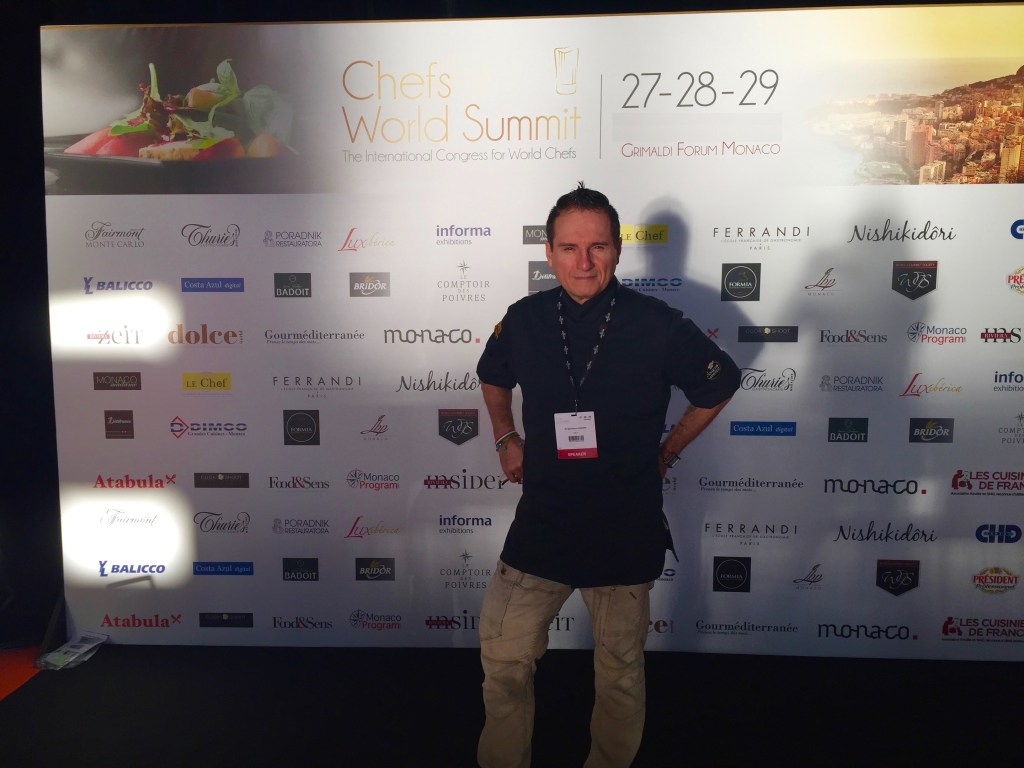
            The Chefs World Summit in Monaco represents one of those gatherings.

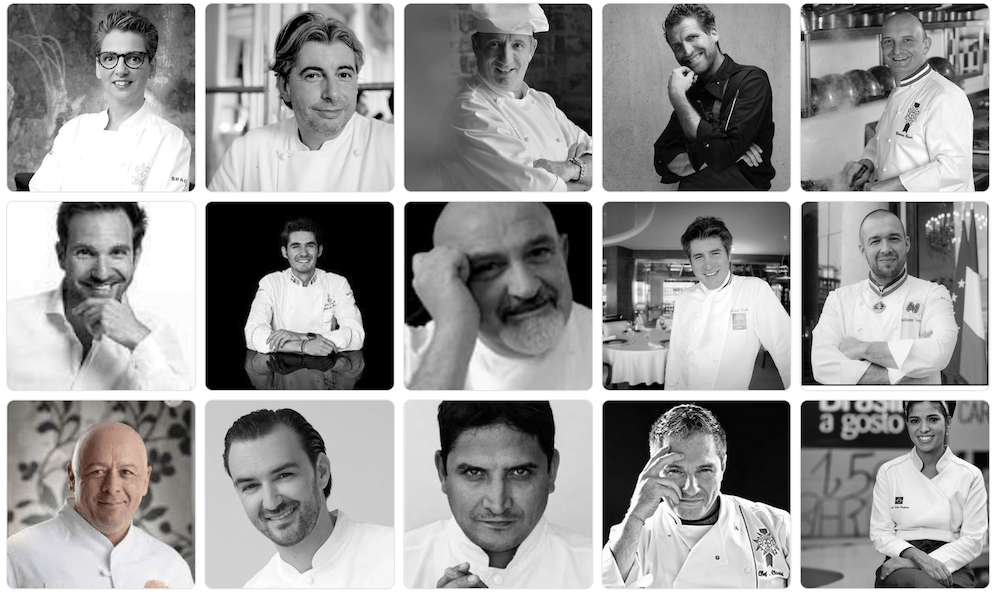
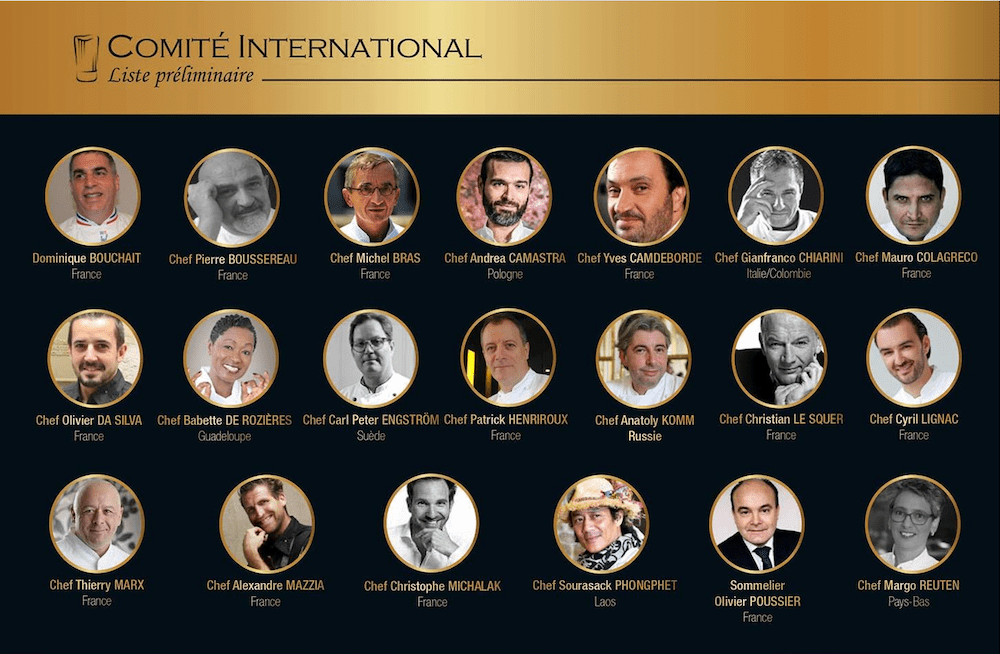
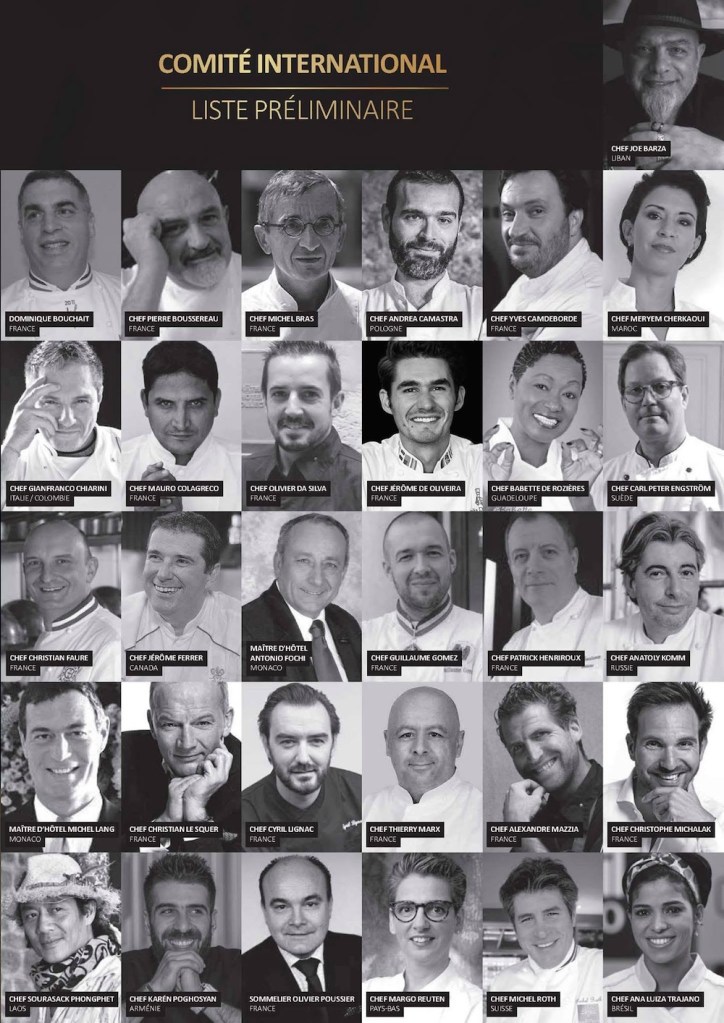
            For several days, Monaco became a meeting point for some of the most influential figures in contemporary gastronomy. Multiple Michelin-starred chefs, culinary innovators, hospitality leaders, sommeliers, educators, and industry visionaries came together to discuss the future of the profession.

            Names such as Michel Bras, Akrame Benallal, Mauro Colagreco, Yannick Alléno, Thierry Marx, Alexandre Mazzia, Cyril Lignac, Antoine Petrus, Babette de Rozières, and many others have helped shape the modern culinary landscape. Their restaurants, books, research, mentorship, and leadership influence thousands of professionals across the globe.

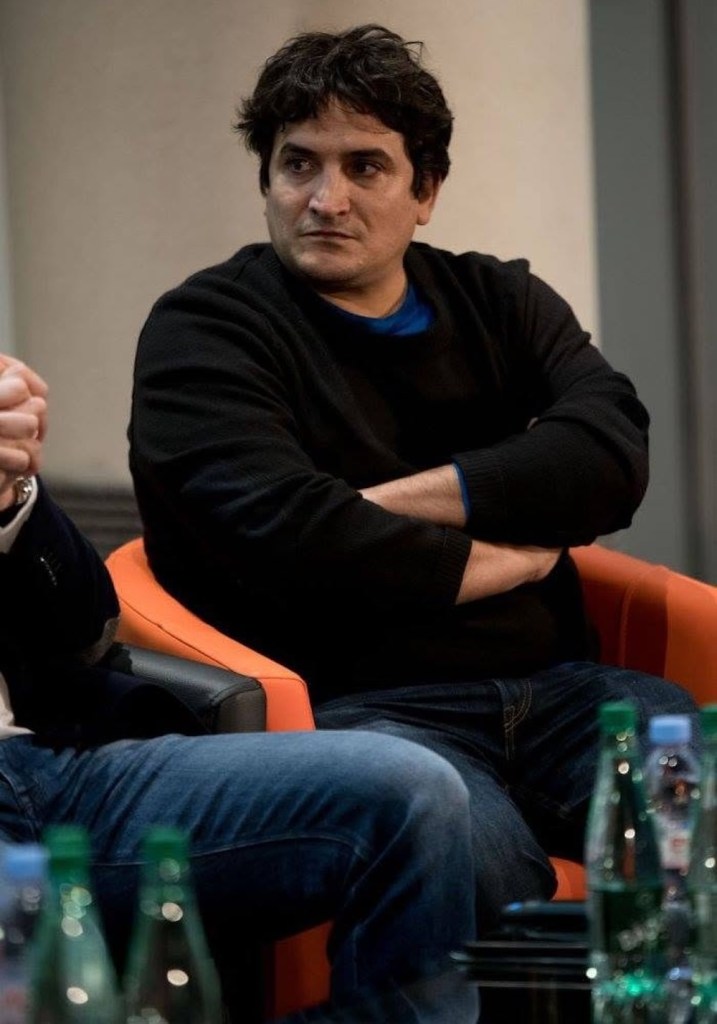
            Chef. Mauro Colagreco (France)

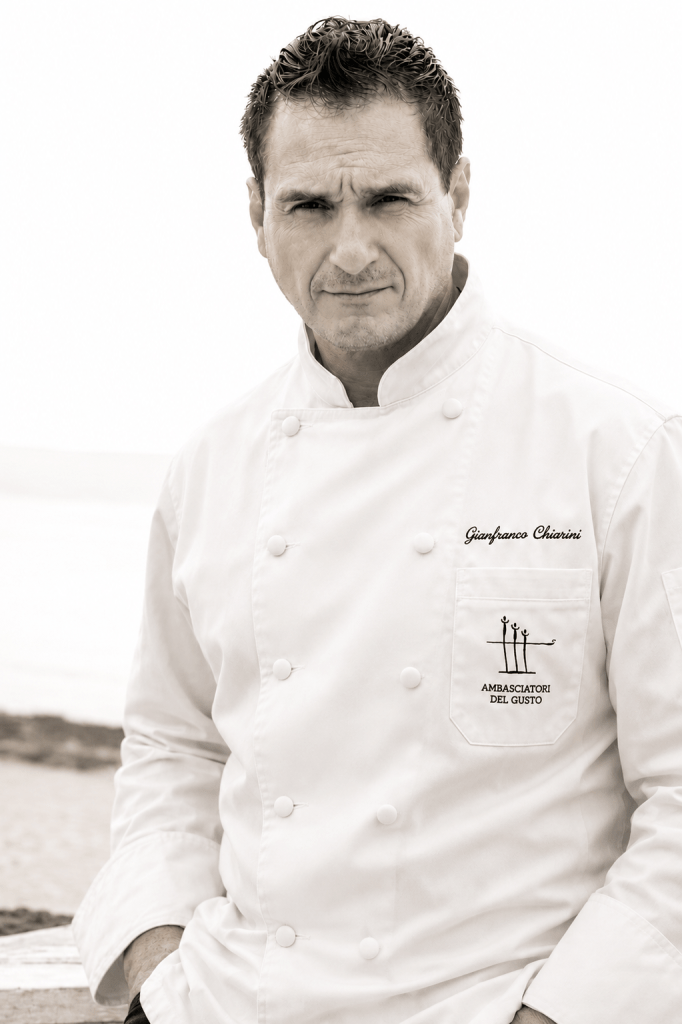
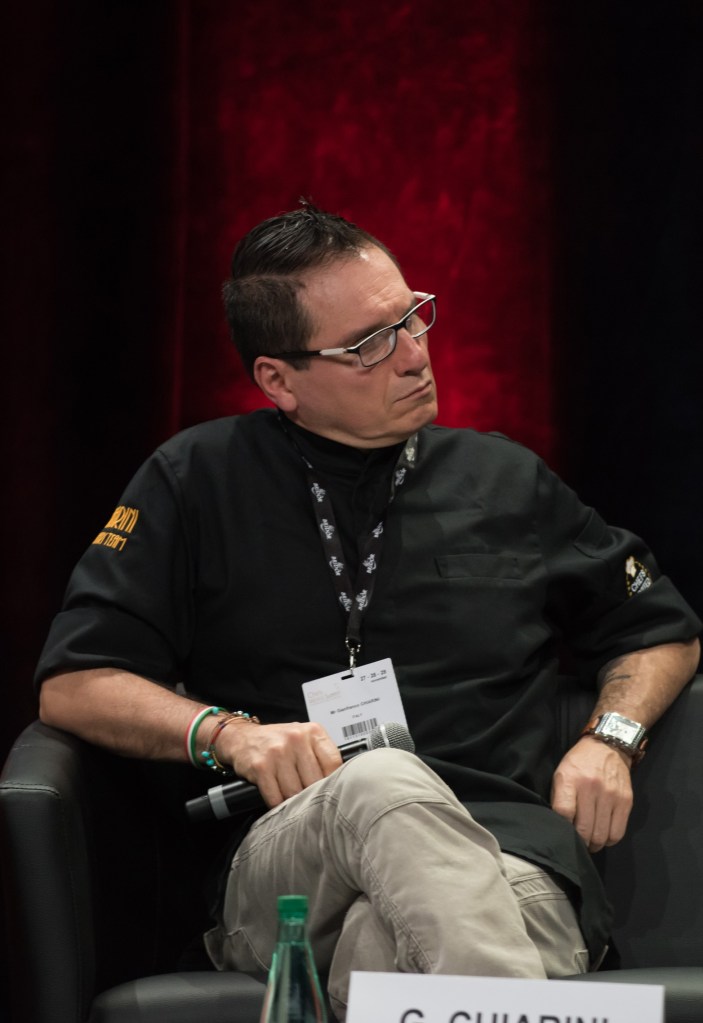
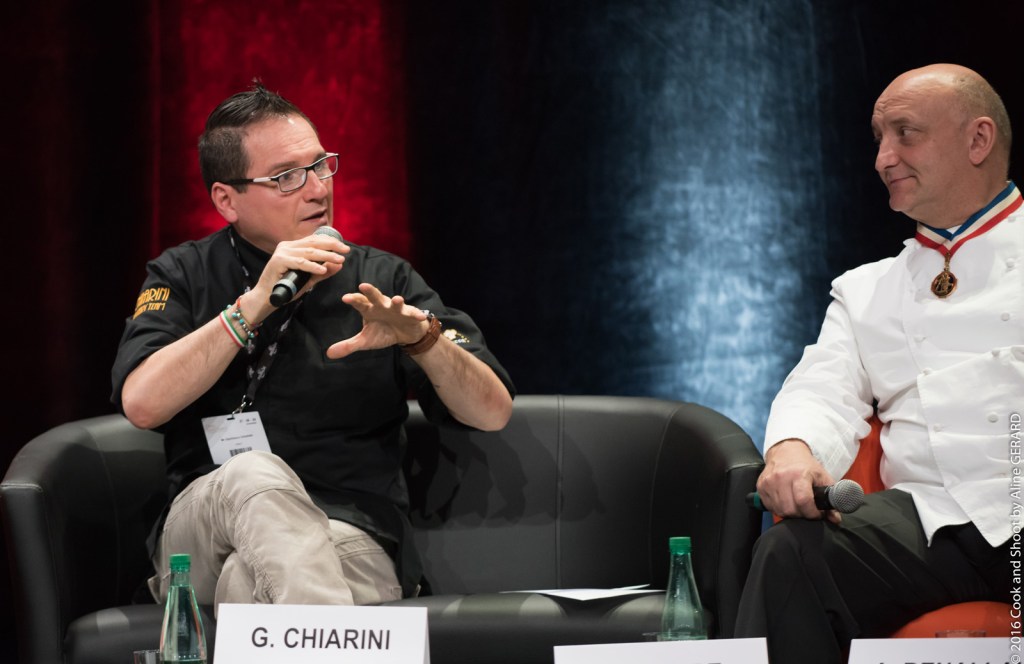
            Chef. Gianfranco Chiarini (Italy)

            Chef. Joan Roca (Spain)

            What makes such gatherings remarkable is not simply the prestige of the names involved.

            It is the exchange.

            The willingness of accomplished professionals to continue learning from one another.

            The understanding that gastronomy is never finished.

            It evolves.

            Every generation inherits knowledge and then contributes something new.

            The responsibility of leadership is ensuring that knowledge continues moving forward.

            Among the chefs participating in these conversations was Chef Gianfranco Chiarini, chef/owner of the renowned Dieci Boutique Restaurant; considered Bulgaria’s Best Fine Dining and starred food experience, serving as a member of the International Committee of the Chefs World Summit.

            For Chiarini, whose career has spanned more than one hundred countries, multiple continents, luxury hospitality groups, culinary education, food engineering, sustainability initiatives, and restaurant development, the summit represented something larger than individual recognition.

            It represented dialogue.

            Throughout a professional journey that has connected cultures, cuisines, and culinary traditions, one principle has remained constant:

            Great gastronomy grows through the sharing of knowledge.

            No chef develops alone. No cuisine evolves in isolation.

            Every advancement is built upon conversations that began long before us.

            The discussions held during the summit explored many of the questions currently shaping the industry.

            How should chefs respond to changing consumer expectations?

            How can gastronomy preserve cultural identity while embracing innovation?

            What role should sustainability play in luxury hospitality?

            How can future generations of chefs be educated not only as technicians, but as leaders?

            These are not small questions.

            They are questions that influence the future of restaurants, producers, suppliers, educators, and ultimately the guests themselves.

            Perhaps this is why gatherings such as the Chefs World Summit remain important.

            The public often sees the finished result.
            • The plate.
            • The menu.
            • The restaurant.
            What remains invisible are the conversations that helped create them.
            • The exchange of ideas.
            • The challenge of assumptions.
            • The willingness to listen.

            The humility required to continue learning regardless of experience.

            Following the summit, Catherine Decuyper, CEO of Euromedicom and Informa Connect Paris, publicly acknowledged Chef Gianfranco Chiarini’s contribution to the event.

            Her words were simple but meaningful.

            She described his contribution as bringing “real added value” to the summit, highlighting both his broad knowledge and his perspective on the gastronomic world.

            Recognition from industry leaders is always appreciated.

            Yet perhaps the most meaningful aspect of such recognition is what it represents.

            Respect among peers.

            Trust built through years of work.

            The understanding that experience becomes most valuable when it is shared.

            At Dieci Boutique Restaurant, we often speak about craftsmanship.

            Craftsmanship is not limited to cooking.
            • It is equally present in mentorship.
            • In leadership.
            • In education.

            In the willingness to contribute knowledge so that others may build upon it.

            The future of gastronomy will not be shaped by individual chefs alone.

            It will be shaped by communities of professionals willing to collaborate, exchange ideas, and challenge one another to improve.

            That future is being written every day.
            • Sometimes in kitchens.
            • Sometimes in classrooms.
            • Sometimes in restaurants.

            And occasionally, in Monaco, when many of the world’s culinary leaders gather in one place and ask a simple question:

            What comes next?

            The answer, as always, is still being written.

          2. Odessos: Bringing the Vineyard Into the City
            For centuries, wine belonged to the countryside. Vineyards stretched across valleys. Cellars hid beneath farms. Harvests followed agricultural rhythms. The relationship seemed obvious.

            Grapes grew in rural landscapes. Wine was made where the grapes were grown. Few people questioned the arrangement.

            Located within the city limits of Varna, on Bulgaria’s Black Sea coast, Odessos Urban Winery challenges one of wine’s oldest assumptions.

            • What if the vineyard and the winery do not need to occupy the same geography?
            • What if a city can become a place of transformation without losing the integrity of terroir?
            • What if urban life and agricultural authenticity are not opposites?

            The answers have helped establish Odessos as one of the most interesting voices in Bulgaria’s modern wine movement. And at Dieci, those answers matter. Because we are attracted to producers who challenge conventions without abandoning principles. Odessos does exactly that.

            “A winery born between city and sea.”

            A Name Older Than the City

            Long before Varna existed as we know it today, there was Odessos.

            Founded during the sixth century BC, the ancient Greek colony became one of the most important settlements along the western Black Sea coast. Merchants passed through. Ideas passed through. Cultures passed through. The city became a crossroads. A meeting point between worlds.

            The choice of the name Odessos is not accidental. It reflects continuity.

            The winery positions itself not as a rejection of history but as an extension of it. Ancient cities evolve. Ancient cultures evolve. Ancient wine traditions evolve.

            The challenge is preserving identity while embracing change. Odessos Urban Winery exists precisely within that tension.

            “Some names survive because they continue telling stories.”

            The Urban Winery Revolution

            When Georgi and Vladislav Vankov returned to Bulgaria after years working harvests in Australia, New Zealand, and Chile, they could have followed a familiar path. Purchase land. Build a rural cellar. Create a traditional estate.

            Instead, they chose something unexpected. They brought the winery into the city.

            For many traditionalists, the idea seemed counterintuitive. Wine belonged in vineyards. Not urban environments. But the Vankov brothers understood something important.

            Terroir originates in the vineyard. Not the building. The grapes remain the source of identity. The cellar’s role is interpretation.

            By sourcing fruit from carefully selected vineyard sites throughout the Northern Black Sea region, they could preserve terroir while creating an entirely different winemaking experience.

            The result became one of Bulgaria’s pioneering urban wineries.

            “Tradition preserved through reinvention.”

            The Geography of Precision

            Odessos does not own vast vineyard holdings. This decision is deliberate. Instead, the winery works closely with carefully selected sites in locations such as Venchan, Blaskovo, Tsonevo, and Kavarna.

            Each vineyard possesses its own character. Its own microclimate. Its own soil structure. Its own relationship with the Black Sea.

            The winery becomes less an estate and more a curator. A collector of terroirs. A translator of landscapes. This approach requires extraordinary precision.

            When a producer works with multiple vineyard sites, understanding becomes essential. The differences cannot be ignored. They must be studied. Respected. Interpreted. Every bottle becomes a conversation between place and winemaker.

            “Every site contributes a different voice.”

            Dimyat: A Grape Coming Home

            Few varieties represent Bulgaria’s Black Sea heritage more clearly than Dimyat. For generations, the grape existed largely in the background. It was familiar. Common. Often overlooked.

            The problem with familiarity is that it can create blindness. People stop paying attention. They stop asking questions. They stop imagining possibilities. Odessos approached Dimyat differently.

            The winery treated the grape as worthy of serious attention. Single-vineyard expressions emerged. The grape gained focus. Precision. Identity.

            Suddenly, Dimyat was no longer simply a local variety. It became a lens through which the Black Sea coast could express itself. At Dieci, this matters enormously. We believe local ingredients deserve ambition. Dimyat deserves ambition. Odessos provides it.

            “Familiarity often hides greatness.”

            The Influence of the Sea

            Many wine regions speak about mountains. Others celebrate rivers. The Black Sea contributes something different. A maritime influence. Constant air movement. Moderated temperatures. Distinct mineral signatures. The sea acts as a silent partner. It shapes ripening. Protects freshness. Influences acidity. Guides balance.

            Guests often struggle to identify exactly what maritime influence tastes like. The answer is subtle. Not a flavor. A sensation. Energy. Tension. Freshness. The wines feel alive. The sea rarely shouts. It whispers. The best coastal wines learn to do the same.

            “The sea leaves fingerprints, not signatures.”

            Cabernet Franc and Confidence

            If Dimyat expresses local identity, Cabernet Franc reveals technical confidence.

            Odessos has earned considerable recognition through its Cabernet Franc Kavarna Single Vineyard.

            The wine has received critical praise, including placement among Bulgaria’s most respected wines and recognition at international competitions. Yet what interests us most is not the award. It is the philosophy behind the wine.

            Many producers seek recognition through imitation. They create wines that resemble established international benchmarks. Odessos pursues something different. The goal is not to copy. The goal is to express.

            Cabernet Franc becomes a vehicle for Black Sea terroir rather than an imitation of Loire Valley traditions. This distinction matters.

            Recognition achieved through authenticity carries greater weight than recognition achieved through imitation.

            “Confidence emerges when comparison becomes unnecessary.”

            Why Dieci Chose Odessos

            At first glance, a remote restaurant in Devino and an urban winery in Varna might appear unrelated.

            • One operates in near isolation.
            • The other embraces city life.
            • One exists within a village.
            • The other exists within Bulgaria’s maritime capital.

            Yet beneath these differences lies remarkable alignment. Both challenge assumptions. Both reject easy categorization. Both seek Bulgarian identity without becoming trapped by tradition. Both believe excellence can emerge from unexpected places. Most importantly, both believe place matters. Not as marketing. As truth.

            When Anna Chiarini selects Odessos wines for the pairing program, she is selecting more than bottles. She is selecting perspectives. Different expressions of modern Bulgaria. Different interpretations of terroir. Different visions of what the future might look like.

            “A conversation between coast and countryside.”

            The New Bulgaria

            For many years, international perceptions of Bulgarian wine remained incomplete.

            The country possessed extraordinary vineyards. Talented producers. Historic varieties. Yet much of the narrative remained hidden. The new generation of wineries is changing that reality.

            Each approaches the challenge differently. But all share a common goal. To demonstrate that Bulgarian wine deserves serious attention. Not because it is emerging. Because it has arrived.

            Odessos contributes a particularly important chapter to this story. The chapter that says innovation and authenticity can coexist. That cities and terroir can coexist. That tradition and experimentation can coexist. The future rarely belongs exclusively to either side. It belongs to those capable of building bridges.

            “The future is built bottle by bottle.”

            Wine Without Borders

            One of the most fascinating aspects of Odessos is how naturally it moves between worlds.
            Urban and rural. Ancient and contemporary. Local and international. Traditional and experimental.

            These categories often appear incompatible. The winery proves otherwise. Great wine rarely emerges from rigid thinking. It emerges from curiosity. From observation. From willingness to challenge assumptions. Odessos embodies that spirit. Not loudly. Not dramatically. Quietly. Consistently. Bottle after bottle. Vintage after vintage.

            The winery continues demonstrating that geography is more complex than maps suggest. The vineyard may exist outside the city. The winery may exist inside it. The wine belongs to both.

            “Some wines connect places rather than choose between them.”

            A Glass of the Black Sea

            At Dieci, every wine serves a purpose. Not merely gastronomic. Narrative.

            The Odessos wines remind guests that Bulgaria contains multiple identities.

            Mountain. Forest. Valley. River. Village. Sea. Each contributes something essential.

            The Black Sea coast has shaped Bulgarian history for thousands of years. Trade. Culture. Agriculture. Ideas. Wine. Odessos captures part of that legacy. Not as nostalgia. As living reality.

            And when a guest lifts a glass of Dimyat or Cabernet Franc in a small dining room inside a century-old schoolhouse in Devino, the distance between coast and countryside disappears. The wine becomes a bridge. And bridges are among the most valuable things any producer can create. Because they allow stories to travel. Just as they have for centuries. From Odessos. To Varna. To Devino. And beyond.

          3. Beautiful, Not Waste
            How Dieci Boutique Restaurant Turns Plastic Waste into Buildings, 3D-Printed Hospitality Objects, and a Circular Future

            There is a question most businesses never ask. What if waste is not the end of a product’s life?

            What if waste is simply the beginning of something else?

            At Dieci Boutique Restaurant, sustainability has never been approached as a marketing strategy. It is not a checklist. It is not a certification hanging on a wall. It is a philosophy that influences every decision, every material, and every object that enters the property.

            This philosophy eventually led to a simple realization: The most sustainable waste is the waste that never leaves the ecosystem.


            Beyond Recycling

            Most businesses separate waste. Some recycle. A smaller number reduce consumption.

            Very few completely redesign the life cycle of materials.

            Following its Green Key Certification and its Three-Star Food Made Good Award from the Sustainable Restaurant Association—the highest sustainability distinction awarded by the organization—Dieci began exploring a more ambitious question:

            Can a restaurant become its own recycling ecosystem?

            The answer became one of the most unusual sustainability projects in hospitality today.

            Not merely recycling. Upcycling. Transformation.

            Creating value where value was once considered impossible.

            The result is a system that may be unique in the global restaurant industry.


            Two Plastics. Two Futures.

            Not all plastics are equal.

            Most recycling systems treat plastic as a single problem.

            At Dieci, plastic is treated as a resource.

            The team developed a dual-stream upcycling process designed to maximize the potential of different plastic categories.

            Low-density plastics follow one path.

            High-density plastics follow another.

            Each material receives the future it deserves.


            Building Walls From Waste
            • Disposable gloves.
            • Sous-vide bags.
            • Agricultural films.
            • Grass-trimming plastics.
            • Packaging materials.
            • Various non-food-grade plastics that traditionally have very limited recycling potential.

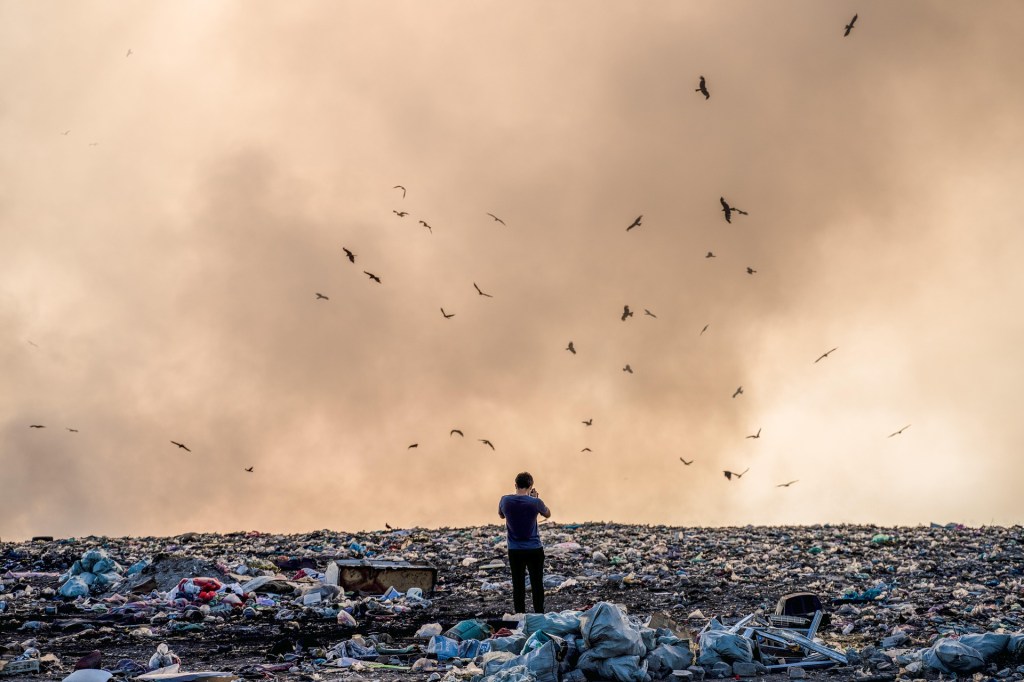
            Most of these materials would eventually become landfill.

            At Dieci, they become construction materials.

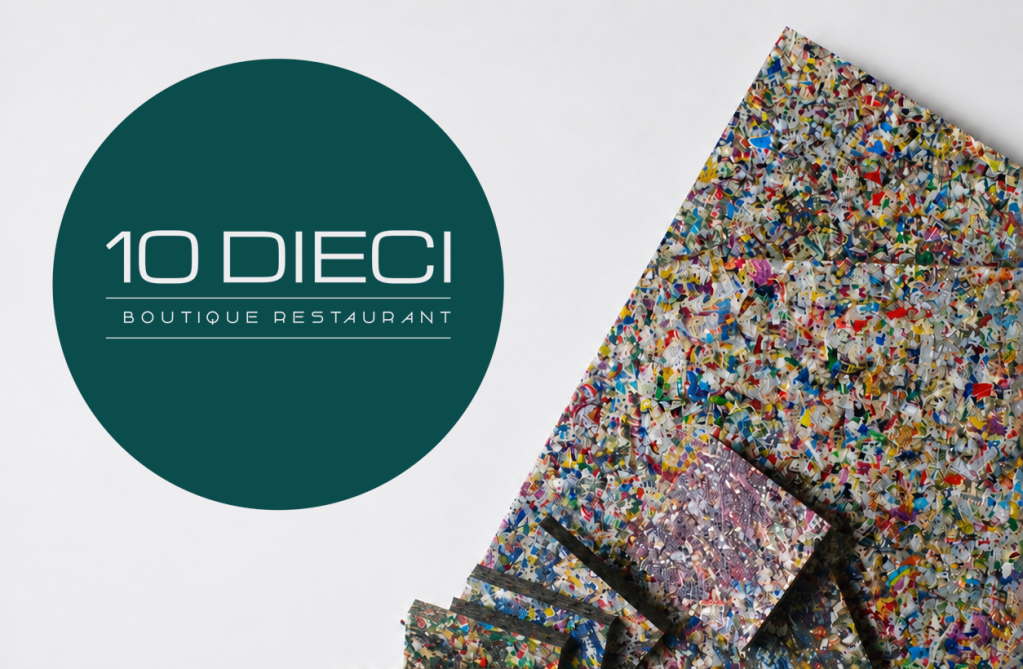
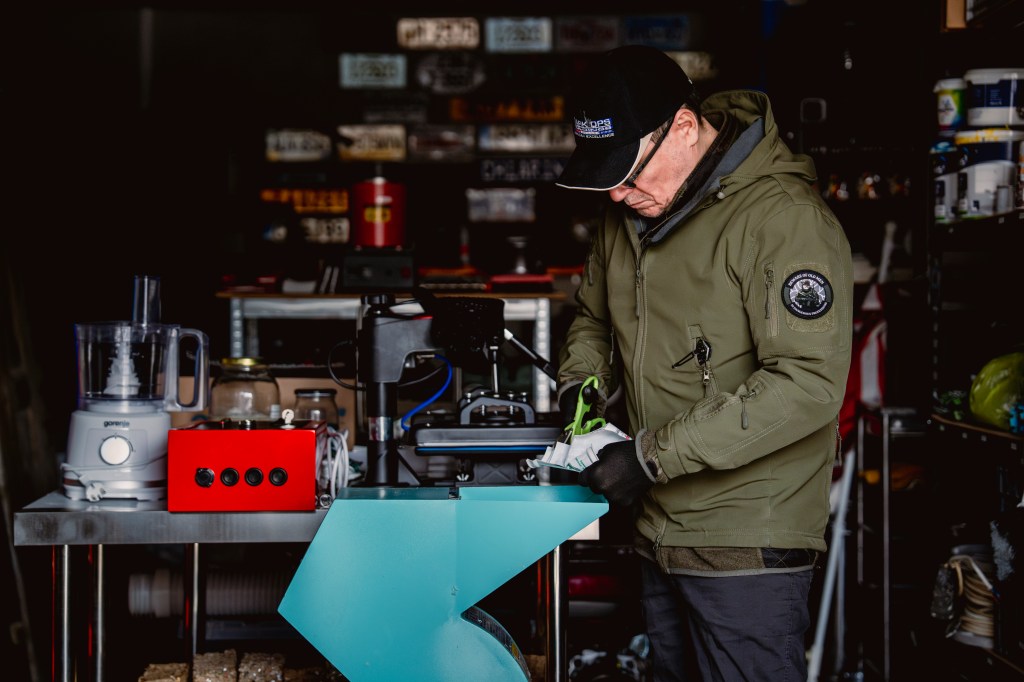
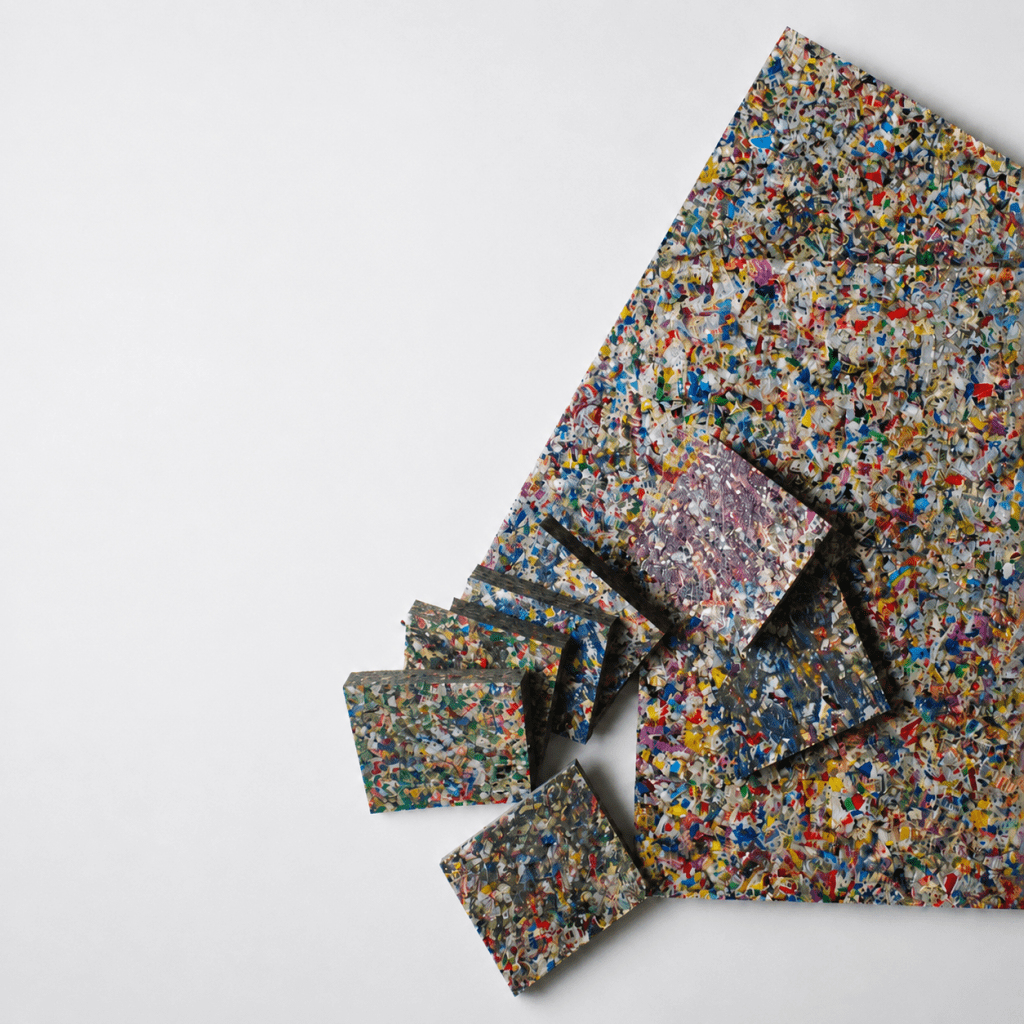
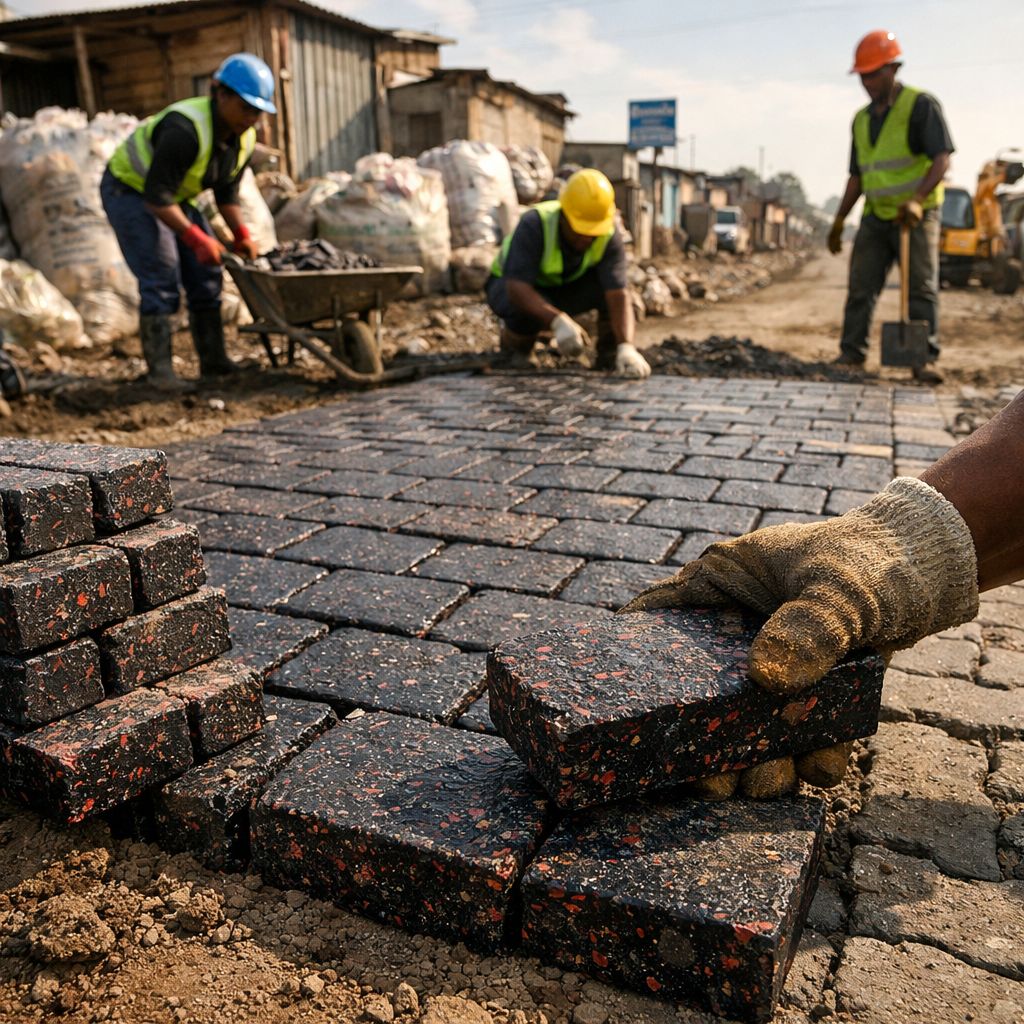
            After collection, cleaning, and processing, these plastics are compressed into durable architectural panels and structural bricks.

            The colorful mosaic surfaces created from these recovered materials are not decorative art pieces.

            ♻️ They are building materials.

            ♻️ Real materials.

            ♻️ Permanent materials.

            ♻️ Materials that are now being used to construct the walls of Dieci’s next-generation recycling center. A building literally made from waste. A building designed to prevent future waste.

            ♻️ The symbolism is powerful.

            Yesterday’s problem becomes tomorrow’s solution.

            From Bottle Caps to Fine Dining

            While low-density plastics become architecture, food-grade high-density plastics follow an entirely different journey.

            • Plastic bottles.
            • Bottle caps.
            • Food-safe rigid plastics.

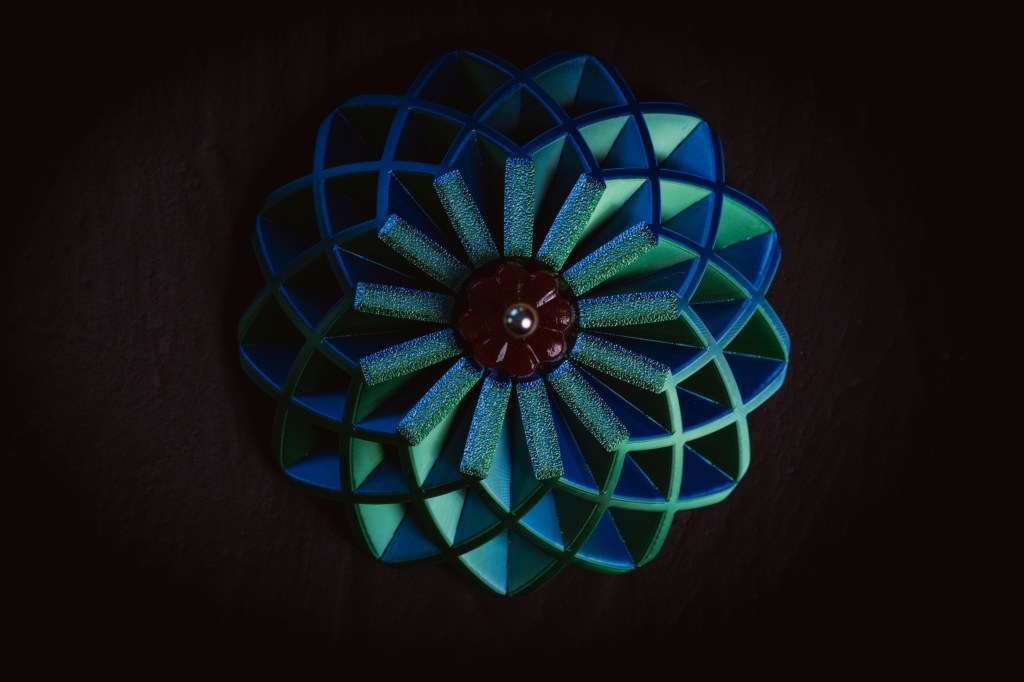
            These materials are carefully sorted, cleaned, processed, and transformed into premium 1.75 mm 3D-printing filament.

            The filament is then used to create bespoke hospitality objects and specialized serving pieces.

            The same material that once protected a beverage can now become part of a culinary presentation.

            The transformation is remarkable. Waste becomes craftsmanship. Recycling becomes design. Sustainability becomes tangible. Guests do not merely hear about circular economy principles.

            They can literally see them on the table.


            A Restaurant That Manufactures Its Own Future

            Most restaurants purchase products. Dieci increasingly manufactures them.

            This distinction changes everything. The objective is not simply reducing environmental impact. The objective is creating a closed-loop system where materials remain valuable indefinitely.

            Every recovered bottle cap. Every recovered glove. Every recovered piece of plastic.

            Each one represents a resource waiting for a new purpose. The future of sustainability may not be found in disposal. It may be found in redesign.


            Sustainability Beyond Certifications

            Recognition has followed naturally.

            Dieci Boutique Restaurant became the first restaurant in Bulgaria and Eastern Europe to receive Green Key certification, one of the world’s most respected environmental standards for hospitality.

            The restaurant also achieved the highest possible Three-Star Food Made Good Rating from the Sustainable Restaurant Association in the United Kingdom.

            These distinctions validate the work. But they are not the destination.

            The destination remains innovation.

            • Continuous improvement.
            • Continuous responsibility.
            • Continuous curiosity.

            Because sustainability is never finished. It evolves.


            The Future Is Circular

            For decades, society viewed waste as something to remove.

            • Something to hide.
            • Something to forget.

            The next generation may view waste differently.

            • As material.
            • As opportunity.
            • As potential.

            At Dieci Boutique Restaurant, colorful walls made from discarded plastics and dining objects created from recycled bottle caps tell the same story.

            Nothing truly valuable should be thrown away.

            • Not creativity.
            • Not resources.
            • Not possibility.

            Perhaps the future of hospitality will not be defined by what restaurants consume. But by what they are capable of transforming. And perhaps the most beautiful material of all is the one that almost became waste.

          4. Following the White Rabbit
            Bulgarian Craftsmanship, and the Importance of Supporting New Voices

            By Dieci Boutique Restaurant.

            The Importance of Beginnings

            The world of fine dining often celebrates finished achievements. Awards, rankings, recognitions, and accolades naturally attract attention because they provide certainty. They tell us which restaurants have succeeded, which producers have established reputations, and which names have already earned a place within the broader culinary conversation.

            Far less attention is given to the beginning of the journey.

            Yet every respected winery, every admired producer, and every established name in gastronomy was once an idea still searching for its identity. Behind every successful project stood a period of uncertainty, experimentation, and learning. There was a moment when the outcome remained unknown and when belief mattered more than recognition.

            At Dieci Boutique Restaurant, we have always found these early stages particularly interesting.

            While excellence must ultimately prove itself through consistency and time, there is something worth observing in the people willing to invest themselves in a long and uncertain process. This is especially true in wine, where patience is not merely a virtue but a requirement.

            White Rabbit Wines represents one of these stories.

            Located in the Yambol region of Bulgaria, the winery forms part of a new generation of projects contributing to the ongoing evolution of Bulgarian wine culture. It is not a story about overnight success. It is a story about commitment, curiosity, and the decision to build something meaningful despite the many uncertainties that accompany such a path.


            Following the White Rabbit

            Some stories do not begin with a business plan.

            They begin with a sign.

            For Teddy and Jason, that sign was the White Rabbit itself — a symbol of curiosity, intuition, and the courage to follow a path before knowing exactly where it might lead.

            After years spent traveling, living abroad, and experiencing how different cultures gather around food, wine, and hospitality, they developed an appreciation for something that transcends geography. They came to understand that wine is rarely just wine. Around the world, wine serves as a reason for people to pause, to share stories, to celebrate milestones, and to create connections that often outlast the meal itself.

            Then, unexpectedly, a small winery appeared on their path.

            Not as part of a carefully constructed plan, but as one of those rare opportunities that arrive quietly and feel right before they can be fully explained.

            They chose to follow it.

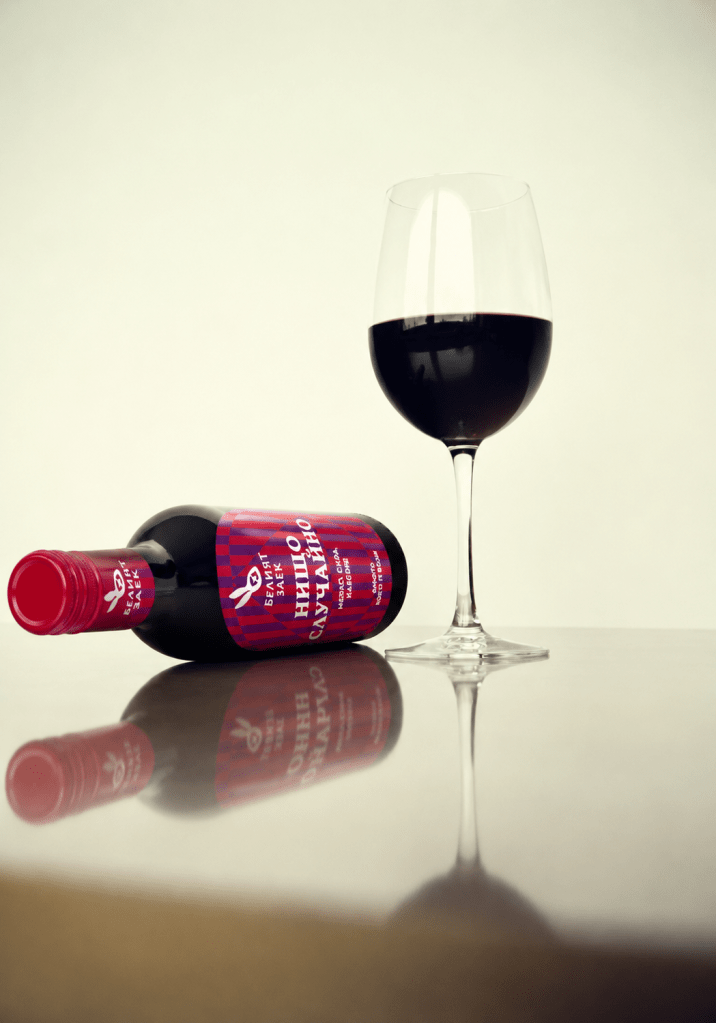
            The result became White Rabbit Wines / Beliyat Zaek — not simply as commercial products, but as an expression of family, return, curiosity, and the desire to create something authentic in Bulgaria.


            A Return to Bulgaria

            There is a particular significance in choosing to return.

            Many talented people leave their home countries in search of opportunity, experience, and perspective. Far fewer choose to bring those experiences back and invest them into something local.

            Jason and Teddy belong to that second group.

            Rather than viewing Bulgaria through the lens of limitation, they viewed it through the lens of possibility. Their decision to dedicate energy and resources to a Bulgarian winery reflects confidence in the country’s potential and a belief that meaningful projects can still be built here.

            This perspective is increasingly important.

            Modern hospitality, gastronomy, and wine culture benefit from people capable of combining international experience with local identity. Such individuals often serve as bridges between tradition and innovation, helping preserve what is valuable while remaining open to new ideas.

            The story of White Rabbit Wines reflects exactly this balance.


            Building Something Before Recognition Arrives

            Every successful project contains a period that few people see.

            The years before recognition.

            The years before awards.

            The years before reputation.

            For any winery, these years require conviction.

            Valery’s role in White Rabbit Wines reflects that reality. Long-term projects rarely begin with guarantees. They begin with belief. They require individuals willing to commit themselves to an idea whose outcome remains uncertain and whose rewards may only become visible after years of effort.

            This kind of investment deserves respect regardless of eventual results.

            The development of Bulgarian wine culture depends not only on established names but also on people willing to create new opportunities, test new ideas, and contribute to the broader landscape of local production.

            Every mature wine region in the world was built this way.

            One project at a time.

            One generation at a time.


            The Craft Behind the Cellar Doors

            Public attention often focuses on labels, bottles, and branding. Yet the true life of a winery unfolds elsewhere.

            It unfolds in vineyards, harvests, fermentation tanks, barrels, laboratories, and cellars.

            The work carried out by Krasimir and the technical team reflects the less visible side of winemaking — the side defined by discipline, observation, and patience. Every vintage presents different conditions. Every harvest introduces new variables. Every season offers lessons that cannot be learned from books alone.

            This is one of the reasons wine remains such a fascinating craft.

            Unlike many industries, it never becomes entirely predictable.

            The winemaker’s responsibility is not to dominate nature but to work with it. To interpret rather than impose. To guide rather than force.

            The pursuit of quality in wine is therefore less about certainty and more about continual refinement. It is a process measured in years rather than weeks.


            Why New Producers Deserve Attention

            In every field, established names naturally command attention.

            They have earned it.

            But healthy industries also depend upon renewal.

            New producers bring energy, different perspectives, and fresh ideas. They contribute to the evolution of a sector by asking new questions and approaching familiar challenges from different angles.

            This does not mean every new project will succeed.

            Nor should success be assumed.

            But the willingness to begin remains important.

            At Dieci Boutique Restaurant, we believe that observing and encouraging serious efforts contributes positively to the broader development of Bulgarian gastronomy and hospitality. The future is not created exclusively by those who have already arrived. It is also shaped by those willing to start.

            White Rabbit Wines represents one such effort.


            Wine, Hospitality, and Cultural Identity

            Wine occupies a unique position within culture.

            It connects agriculture, craftsmanship, history, geography, and hospitality in a single expression. A bottle often reveals as much about a place as it does about a producer.

            For this reason, conversations about wine frequently become conversations about identity.

            Bulgaria possesses one of Europe’s oldest relationships with viticulture. The country’s wine traditions stretch back centuries, shaped by climate, geography, migration, political change, and evolving cultural influences.

            Today, a new generation of wineries is contributing to the next chapter of that story.

            Projects such as White Rabbit Wines participate in a larger movement — one focused on exploring what contemporary Bulgarian wine can become while remaining connected to the places and traditions from which it emerged.

            That conversation is worth following.


            Why Dieci Pays Attention

            At Dieci Boutique Restaurant, our responsibility extends beyond serving food and wine.

            We believe hospitality also carries a cultural dimension.

            Whenever possible, we choose to pay attention to people who are investing their time, energy, and creativity into craftsmanship, sustainability, regional identity, and the future of Bulgarian gastronomy.

            Our interest in White Rabbit Wines comes from this perspective.

            Not because conclusions have already been reached.

            Not because outcomes are guaranteed.

            But because meaningful progress requires individuals willing to commit themselves to a long and uncertain process.

            Projects built with sincerity, patience, and dedication deserve thoughtful attention.

            Whether in wine, gastronomy, agriculture, or hospitality, every meaningful contribution begins with someone deciding to start.

            Beautiful Picture by Anna van Dorp: @annavandorp (Professional Photographer, Film maker, Editor) Amsterdam, Netherlands.


            The Value of Patience

            Perhaps the most important lesson offered by wine has little to do with wine itself.

            It concerns time.

            We live in a culture increasingly defined by immediacy. Immediate information. Immediate visibility. Immediate results. Yet some things continue to develop according to slower rhythms.

            Wine remains one of them:

            A vineyard cannot be rushed.

            A vintage cannot be hurried.

            Experience cannot be accelerated.

            White Rabbit Wines is still writing its story, as all serious wine projects do. Its future will be shaped through years of work, refinement, learning, adaptation, and growth.

            What can already be recognized, however, is the willingness of the people behind the project to undertake that journey with commitment and sincerity.

            In an era often obsessed with outcomes, there remains something admirable about those willing to dedicate themselves to the process.

            For that reason, White Rabbit Wines is a story we will continue to follow with interest, curiosity, and encouragement.

            After all, some of the most interesting journeys begin long before anyone knows where they will lead.


            * Contact Details:

            • Telephone Number: +359 88 667 8868

            Official Website: https://whiterabbitwines.bg

          5. Heritage Is Not Inherited

            By Dieci Boutique Restaurant.

            Every year at Dieci Boutique Restaurant, we taste wines from across Bulgaria. Some are technically impressive. Some arrive with medals, scores, and recognition. Others come with carefully crafted marketing stories. What captures our attention, however, is rarely any of those things.

            We are drawn to producers whose work reflects the same values that shape our restaurant: patience, respect for nature, attention to detail, and an understanding that excellence is usually the result of hundreds of small decisions repeated consistently over time.

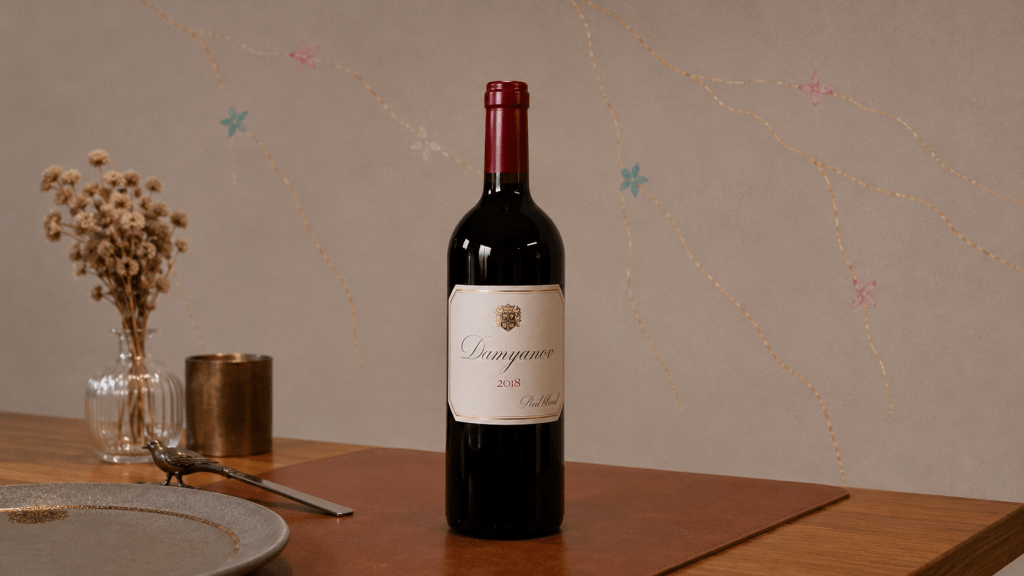
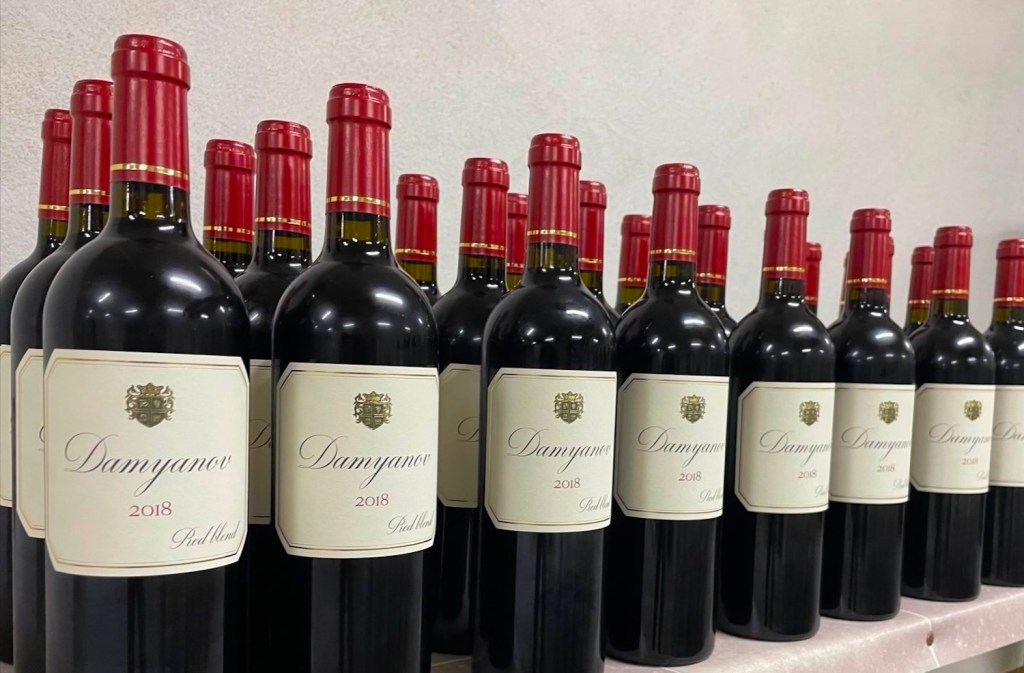
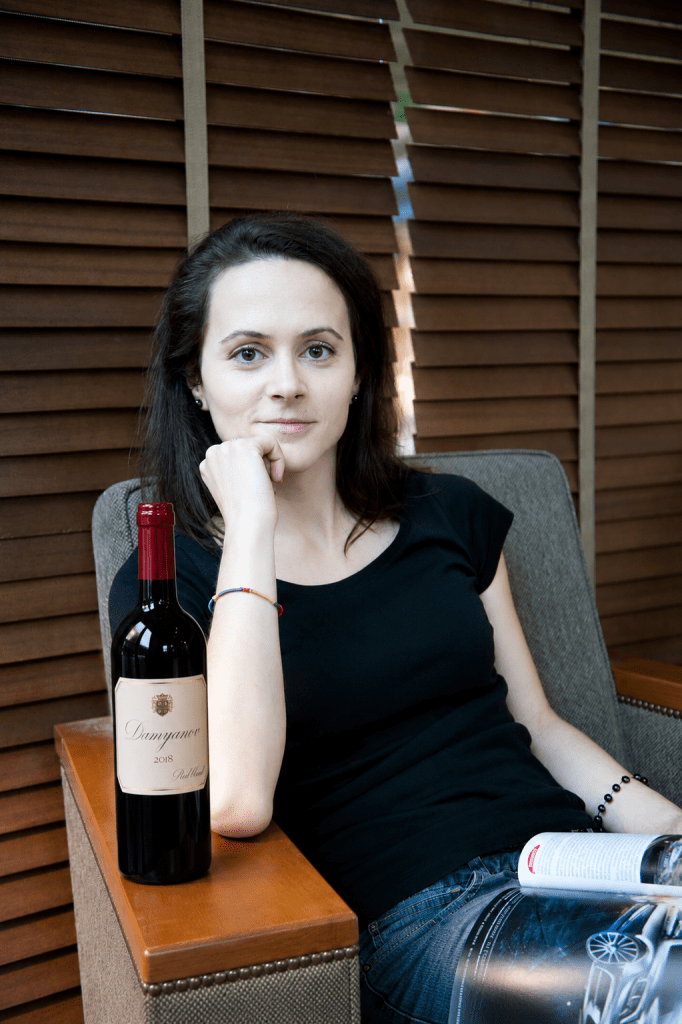
            The first time we encountered the wines of Damyanov Winery, that connection was immediately apparent.

            Not because the wines were trying to impress us.
            Because they weren’t.

            The wines felt grounded. They felt honest. They seemed more interested in expressing where they came from than competing with somewhere else. In a world where many wineries still measure themselves against international benchmarks, that confidence stood out.

            And it led us to Strumyani.

            “Some partnerships begin with shared values.”

            A Valley With Deep Roots

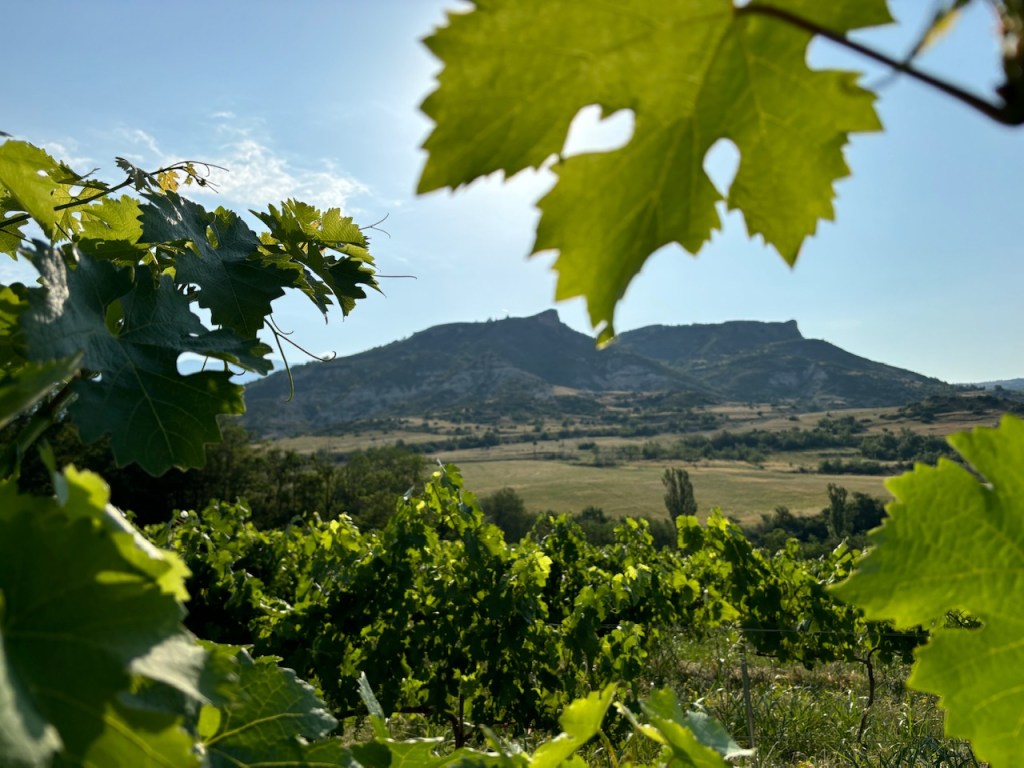
            The Struma River Valley is one of the oldest wine-growing regions on the Balkan Peninsula. Stretching through southwestern Bulgaria, it has been producing wine for centuries, shaped by a combination of Mediterranean influence, limestone soils, mountain air, and a climate uniquely suited to viticulture.

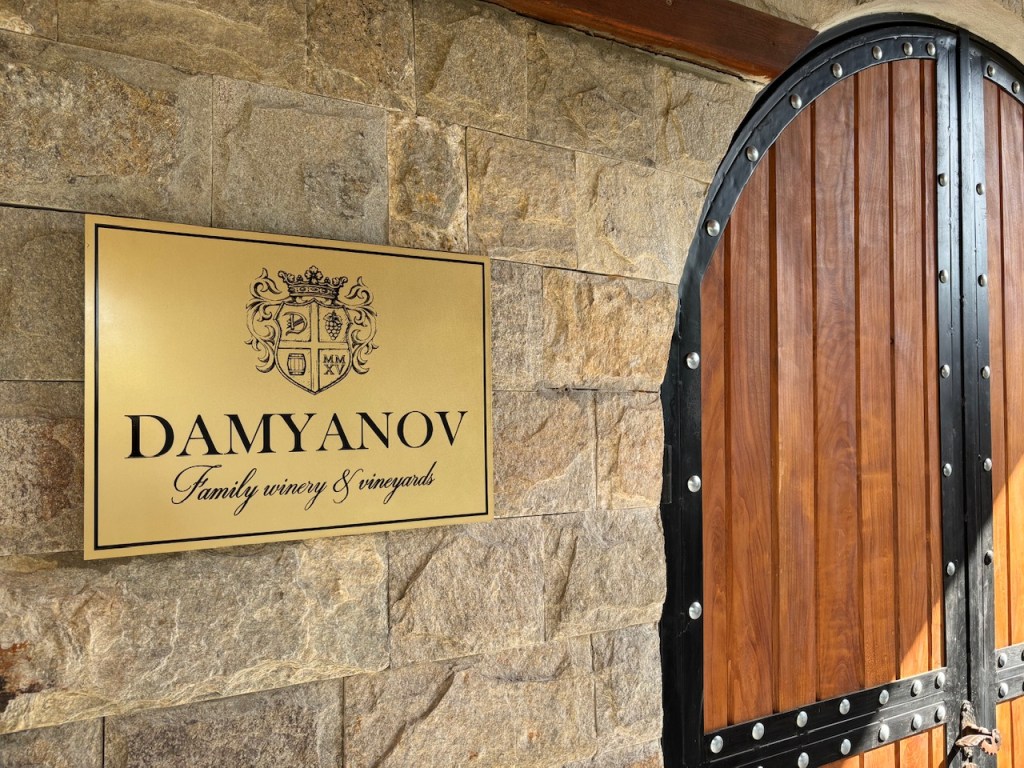
            This is where Damyanov Winery was born.

            Located in the village of Strumyani, at approximately 350 meters above sea level, the winery works with vineyards planted on predominantly limestone soils with some clay, most of them facing south toward the sun.

            The conditions create a distinctive micro-terroir that reveals itself differently in every variety grown there, whether international grapes such as Merlot and Cabernet Sauvignon or local varieties deeply connected to the valley itself.

            At Dieci, we often speak about place. Not because it is fashionable, but because place remains one of the few things that cannot be copied. You can replicate a recipe. You can imitate a technique. You can purchase the same equipment. But you cannot reproduce a landscape.

            The wines of Damyanov remind us of that truth.

            The landscape behind every bottle.”

            Three Generations

            Wine and vineyards have been part of the Damyanov family story for generations.

            The story begins with Prokop Marinkov, a participant in the Second World War who returned home and established vineyards after the war. The responsibility later passed to his son-in-law, Yanush Damyanov, a respected school director, public figure, and honorary citizen of Strumyani Municipality. Today, Vladimir Damyanov and his family continue the work, cultivating the vineyards and operating the family winery.

            What resonates with us is not simply the continuity itself.
            It is the commitment required to maintain it.

            People often speak about heritage as though it is automatically passed from one generation to another. Vineyards teach a different lesson. Heritage survives only when somebody chooses to continue caring for it. Every generation must decide whether the work is worth carrying forward.

            The Damyanov family made that decision repeatedly.
            And because they did, the story continues.

            “Heritage survives through people.”

            Less Is More

            The modern world rewards scale.

            Larger vineyards.
            Larger harvests.
            Greater efficiency.
            Greater production.

            Damyanov has deliberately chosen another direction.

            The family practices natural farming and relies heavily on manual labor. Their vineyards, many of them between fifty and sixty years old, receive individual attention throughout the season. Quality comes before quantity. The vineyard dictates the rhythm rather than the market.

            This philosophy is summarized by a simple principle that appears repeatedly in conversations with the family:

            Less is more.
            Less intervention in the vineyard.
            Less intervention in the cellar.
            Less manipulation of the final wine.

            At Dieci, this approach feels familiar. Much of our cooking follows the same logic. The objective is not to demonstrate how much can be done to an ingredient. The objective is to reveal what was already there.

            Whether in a vineyard or in a kitchen, restraint requires confidence.

            “The vineyard sets the pace.”

            Broad-Leaved Melnik

            Every producer has something that defines them.
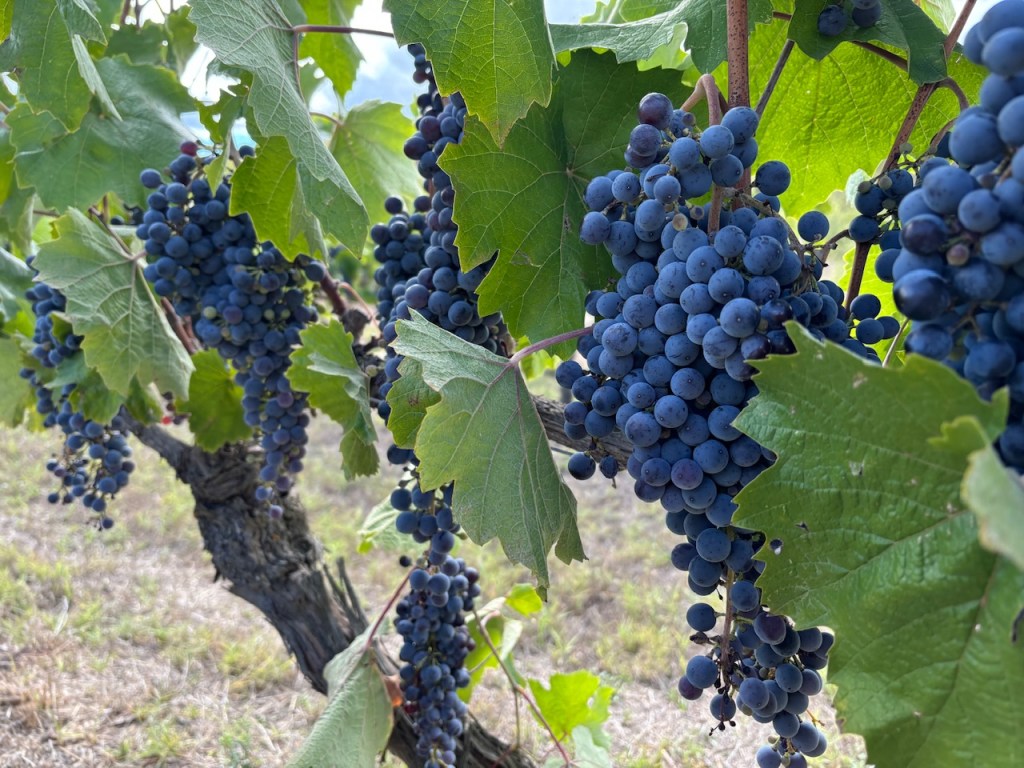
            For Damyanov Winery, that identity is inseparable from Broad-Leaved Melnik Vine.

            Ancient, indigenous, and found only in the Struma Valley, this variety occupies a unique place in Bulgarian wine culture. Attempts to cultivate it successfully outside the region have repeatedly failed. It belongs to this landscape in a way few grape varieties belong to any place.
            The grape is challenging.

            It ripens late, often reaching full maturity in October or even November. It requires patience and introduces risk, particularly as weather patterns become increasingly unpredictable. Yet the Damyanov family views those challenges not as obstacles but as part of the grape’s identity.
            Their commitment goes beyond production.

            They see Broad-Leaved Melnik as one of the varieties most capable of representing Bulgarian wine internationally. It is not difficult to understand why. The wines possess elegance, freshness, remarkable aging potential, and a personality that cannot be mistaken for anything else.

            At Dieci, where we constantly search for ingredients and products that speak clearly of their origin, Broad-Leaved Melnik feels especially important. It is not simply a wine.

            It is a story that could only have come from one place.

            “A grape inseparable from its landscape.”

            Beyond Comparison

            One of the most refreshing aspects of Damyanov Winery is that it refuses to chase imitation.
            Their Merlot does not aspire to become Bordeaux.
            Their Cabernet Sauvignon is not trying to reproduce another region.

            Instead, the family uses these international varieties to express the character of their own micro-region, often blending them alongside local grapes to create wines that are distinctly Bulgarian while remaining internationally understandable.

            This approach mirrors something we believe strongly at Dieci.

            The future of Bulgarian gastronomy will not be built by becoming a copy of somewhere else. It will be built by understanding what already exists here and presenting it with confidence.

            Damyanov understands this.
            The wines do not ask permission to be Bulgarian.
            They simply are.

            “Expression over imitation.”

            At The Table

            A partnership between a winery and a restaurant should be about more than logistics.
            It should be about alignment.

            When Anna Chiarini selects wines for our pairings, she is not simply looking for technical quality. She is looking for producers whose values complement the experience we want guests to have.

            Damyanov fits naturally into that ecosystem.

            The wines possess freshness and structure that allow them to accompany food without overwhelming it. More importantly, they carry a sense of place and authenticity that reflects the broader philosophy of Dieci. They are the result of patience, observation, and respect for nature—qualities we strive to honor every day in our own work.

            When guests encounter Damyanov wines in the dining room, they are not simply tasting a bottle.
            They are tasting a family story.

            A valley.
            A landscape.
            A tradition that continues because people still believe it matters.

            “The meeting point between vineyard and table.”

            Looking Forward


            There is a famous story that Winston Churchill received hundreds of liters of Melnik wine every year in London.

            Whether remembered as history or legend, it reminds us that the wines of the Struma Valley have long been appreciated beyond Bulgaria’s borders.

            Today, families like the Damyanov’s continue writing the next chapter.

            Not by preserving the past unchanged.
            Not by chasing trends.

            But by carrying forward a tradition while remaining open to the future.
            That balance may be the most impressive achievement of all.

            At Dieci, we are proud to share their wines with our guests, not simply because they are excellent, but because they represent something we value deeply: the belief that the future becomes more meaningful when it remains connected to its roots.

            https://damyanovwinery.com/en

          6. Balance Written in the Hills

            By Dieci Boutique Restaurant.

            There are wineries that chase attention. And there are wineries that build it slowly.

            • Season after season.
            • Harvest after harvest.
            • Bottle after bottle.

            In the rolling hills of Northwestern Bulgaria, where limestone soils, elevated vineyards, and cool evening air shape every vintage, a small winery has quietly built its reputation around a deceptively simple idea: Balance.

            Not balance as a marketing slogan. Balance as a philosophy. Balance between tradition and precision. Between local identity and contemporary craftsmanship. Between what the vineyard gives and what the cellar should never take away.

            In a world increasingly obsessed with volume, speed, and visibility, Tipchenitza has chosen a different path. A slower one. A more patient one. A path rooted in place.

            “A winery built around balance rather than excess.”

            A Village Before a Winery

            Some wineries begin with ambition. Others begin with inheritance. Tipchenitza began with a village. Not a marketing concept. Not a business plan. Not an investment opportunity. A real village.

            A place with history, memory, traditions, and a relationship with the land that stretches far beyond any modern wine label.

            For most travelers, Tipchenitza is simply another settlement in Northwestern Bulgaria. For those who understand wine, it has become something more. A reminder that extraordinary things can emerge from overlooked places. A proof that authenticity remains one of the most valuable resources in modern gastronomy.

            Because before there was a winery, there was already a landscape. Before there were bottles, there were already vineyards. Before there was recognition, there were already people working the land. The winery did not create the village. The village created the winery.

            “Every bottle begins with a place.”

            High Ground

            Tipchenitza’s vineyards sit higher than many people expect. Approximately 600 meters above sea level. High enough to change everything. Days remain warm. Nights cool dramatically. Air moves continuously across the slopes. Freshness survives. Acidity remains vibrant. Ripeness develops without becoming heaviness.

            The elevation creates tension within the wines. A sense of energy. A sense of movement.

            The vineyard never feels sleepy. Never feels lazy. The fruit develops character while preserving elegance.

            This balance becomes one of the defining signatures of the winery. The wines feel complete without becoming excessive. Focused without becoming austere. Expressive without becoming loud.

            “Altitude preserves freshness.”

            A Landscape Written in Limestone

            Long before vines arrived, the land was already preparing for them. The region surrounding Tipchenitza is shaped by limestone-rich soils that influence everything growing above them. The roots search deeper. Water behaves differently. Minerality develops differently. The wines acquire structure rather than weight. Direction rather than volume.

            Many wine drinkers search for power. Great vineyards often search for balance. The limestone beneath Tipchenitza quietly encourages exactly that. Every vintage carries its influence. Every bottle reflects its discipline. The wines feel anchored. Grounded. Connected to something older than the vineyard itself.

            “Every bottle begins underground.”

            Two Grapes. One Identity.

            Many wineries use local varieties as supporting actors. Tipchenitza places them at the center of the conversation. Two grapes form the foundation of the winery’s identity:

            • Vrachanski Misket.
            • Rubin.

            Not because they are fashionable. Because they are Bulgarian. And because they deserve to be taken seriously.

            Vrachanski Misket is one of Bulgaria’s most expressive white varieties.

            • Floral.
            • Fresh.
            • Aromatic.
            • Elegant.

            At Tipchenitza, it appears in multiple forms. A pure stainless-steel expression. An oak-aged interpretation. An orange wine produced through extended skin contact and lees aging. Each version reveals a different side of the same grape.

            The goal is not experimentation for its own sake. The goal is understanding. To demonstrate how much possibility exists within a single variety.

            “One grape. Multiple expressions.”

            Rubin

            If Vrachanski Misket represents elegance, Rubin represents confidence. Created through the crossing of Nebbiolo and Syrah, Rubin remains one of Bulgaria’s most important modern grape varieties. Yet many producers still treat it cautiously. Tipchenitza does not.

            The winery explores Rubin through rosé. Through fresh, vibrant reds. Through oak-aged wines capable of developing complexity and longevity. Again, the objective remains the same. Not novelty. Clarity.

            To show that Bulgarian grapes are not limitations. They are opportunities. The future of Bulgarian wine will not be built through imitation. It will be built through confidence. Rubin embodies that confidence beautifully.

            “A modern Bulgarian classic.”

            The Importance of Restraint

            The easiest thing in wine is excess. Too much oak. Too much extraction. Too much alcohol. Too much ambition. Restraint is harder. Because restraint requires trust. Trust in the vineyard. Trust in the fruit. Trust in the season. Trust in the land.

            Tipchenitza’s wines consistently demonstrate that trust. The cellar does not attempt to dominate. It interprets. The wines remain clean. Precise. Elegant.

            The goal is not to produce “natural wine.” The goal is to produce honest wine.

            There is a difference. Honesty requires discipline. And discipline remains visible in every bottle.

            Sustainability as Practice

            One of the most overlooked decisions a winery makes has nothing to do with grapes. It involves glass. Tipchenitza deliberately uses lightweight bottles for its Tochka series. It is not glamorous. Most guests never notice. That is precisely why it matters.

            Reducing bottle weight lowers transportation impact. Less fuel. Less waste. Less unnecessary burden. The decision reflects a broader philosophy. Sustainability is not a slogan. It is a chain of choices. Small choices. Repeated consistently.

            At Dieci, we understand this deeply. Because our own philosophy is built the same way. One decision at a time.

            “Small decisions become philosophy.”

            Why Dieci Chooses Tipchenitza

            At Dieci, we choose producers who build identity rather than trends. Producers who work with precision. Who reject shortcuts. Who respect their place. Who understand that Bulgarian excellence does not need imitation.

            Tipchenitza fits naturally into that world. The wines do not overpower food. They support it. Freshness. Structure. Elegance. A sense of place. And something even rarer. A coherent idea.

            When guests drink Tipchenitza at Dieci Boutique Restaurant, they are not drinking a Bulgarian version of something else. They are drinking a winery that has decided, patiently and confidently, that local grapes are enough.

            “Tipchenitza Sharing the Excellence of Dieci Boutique Restaurant | Bulgaria’s Best.”

            The Village Becomes Visible Again

            One of the great challenges facing rural Europe is relevance. Young people leave. Villages shrink. Attention moves elsewhere. Places disappear from maps long before they disappear physically.

            Projects like Tipchenitza offer another possibility. They demonstrate that rural communities still possess extraordinary value. Knowledge. Land. Tradition. Character. Opportunity.

            The bottle travels. The story travels with it. And slowly, something remarkable happens. The village becomes visible again. Not through nostalgia. Through excellence. Not through marketing. Through authenticity.

            The success of the winery becomes shared success. For growers. Families. Workers. Craftspeople. And for the village itself. Because the road feels better when it is shared.

            A Bottle of Belonging

            Perhaps the most remarkable thing about Tipchenitza is that every bottle feels connected.

            • Connected to the village.
            • Connected to the land.
            • Connected to the people who care for it.
            • Connected to the seasons that shaped it.

            In a world increasingly defined by speed, movement, and abstraction, that sense of belonging becomes precious.

            At Dieci, we believe guests can taste that connection.

            Not literally. Emotionally.

            The wine feels grounded. And grounding is rare.

            That is why Tipchenitza remains part of our cellar. Because great wine does more than accompany food at Dieci Boutique Restaurant. It reminds us where we are. And why that place matters. Tipchenitza does exactly that. One bottle at a time.

          7. Two Hundred and Fifty Harvests

            By Dieci Boutique Restaurant.

            Centuries in a Bottle

            Some ingredients arrive with history; Others arrive carrying centuries.
            The olive oil we use at Dieci Boutique Restaurant belongs to the latter.

            Long before any of us were born.
            Long before our restaurant existed.
            Long before Bulgaria and Greece became modern nations.
            Long before roads connected villages and travelers crossed borders with ease.

            These trees were already standing. They still are.

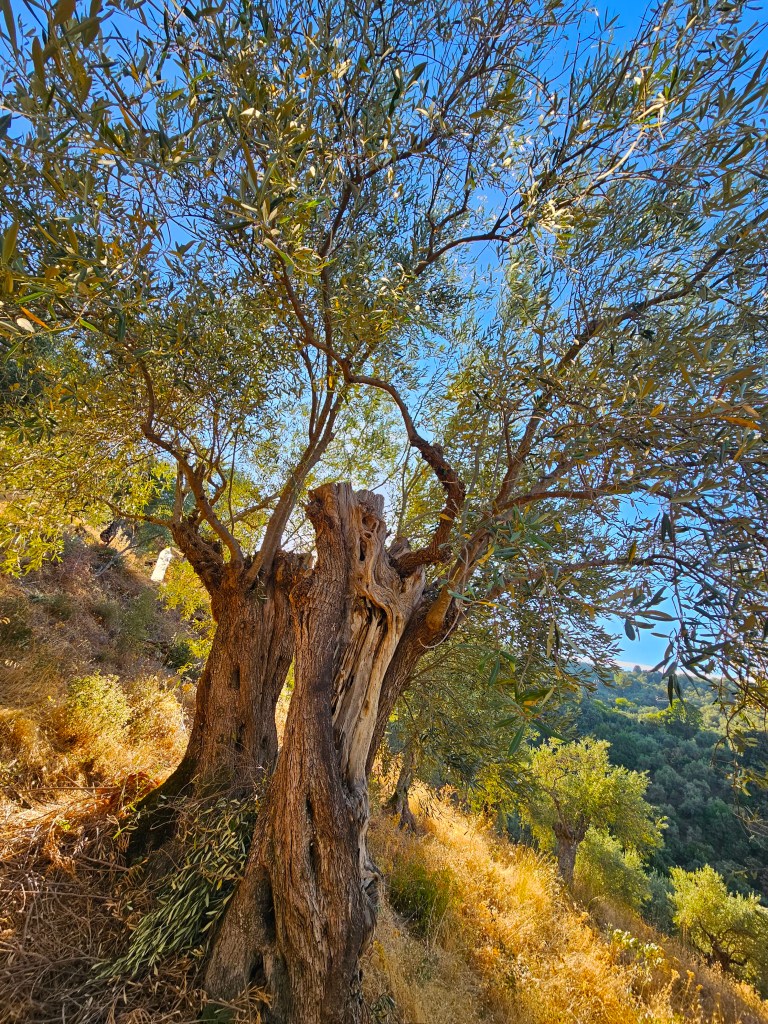
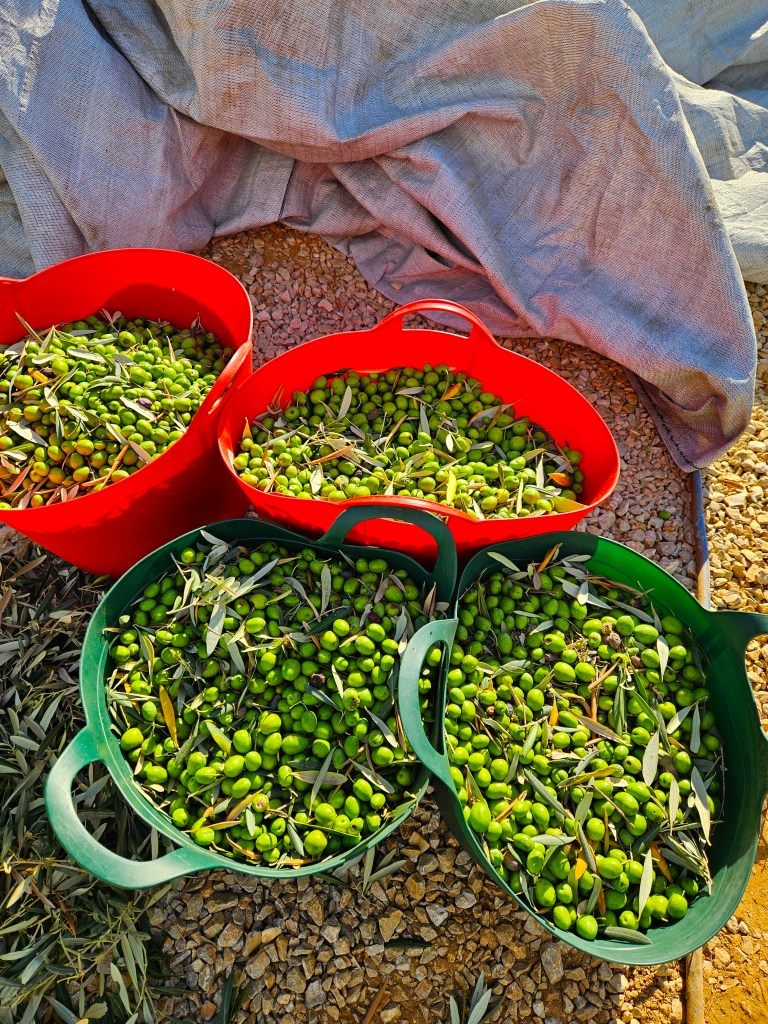
            On the western slopes of Mount Pelion, overlooking the waters of the Pagasetic Gulf and the Aegean Sea beyond, three hundred ancient olive trees continue producing fruit exactly as they have for generations.

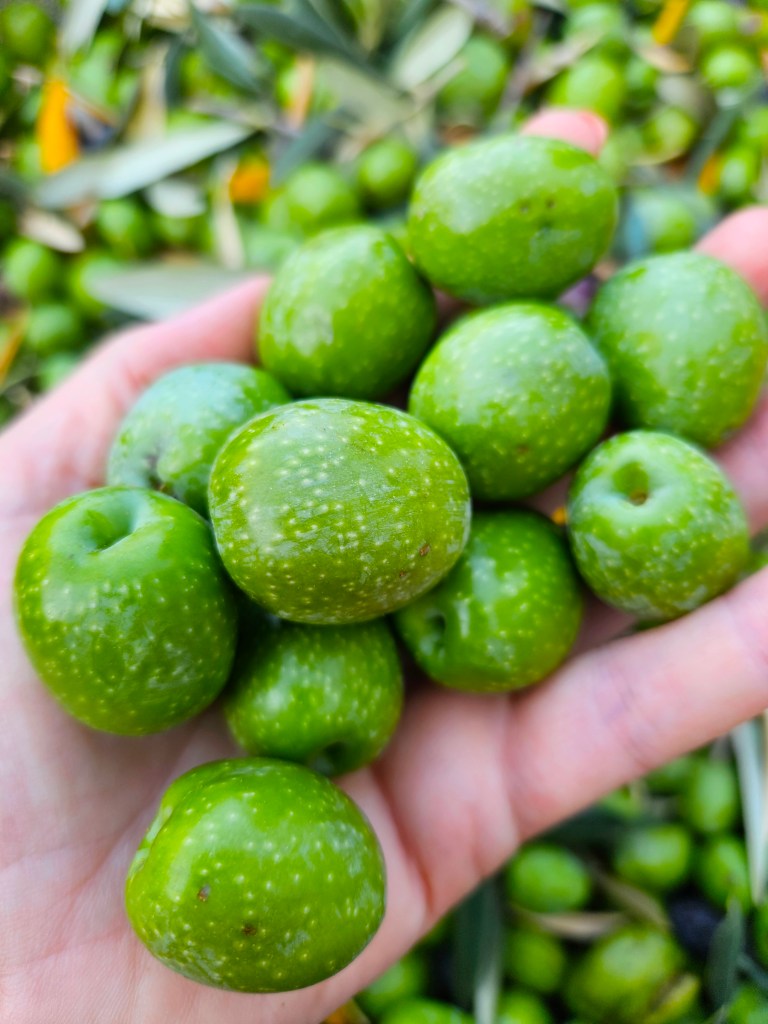
            The trees belong to the Amphissa variety, one of Greece’s oldest and most respected cultivars. Their average age is approximately two hundred and fifty years.

            To put this into perspective, many of these trees were already mature before the first steam locomotive appeared in Europe. Empires have risen and disappeared during their lifetime. Borders have changed. Governments have changed. The trees remained.

            Today, they are cared for by six Bulgarians. Not investors. Not industrial producers. Not agricultural corporations. Three families. Friends. Caretakers. And perhaps that distinction matters more than anything else.

            Some trees produce olives. Others produce history.

            Pelion

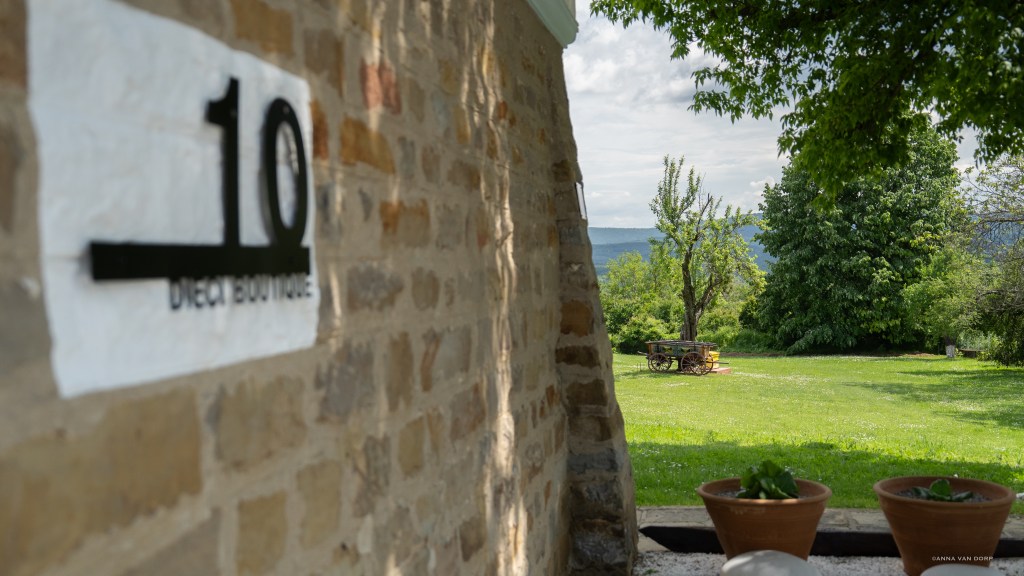
            There are places where agriculture feels inevitable. Pelion is not one of them. The olive grove lies near the village of Afetes in southwestern Pelion, within Greece’s Thessaly region. The terrain is steep. Rocky in places. Demanding.

            The grove sits approximately 260 meters above sea level, only 1.6 kilometers from the warm waters of the Aegean. Every element of the landscape contributes to the final oil. The sea moderates temperature. The mountain creates elevation. The wind circulates through the slopes. Rain arrives more generously than in many other Greek olive-growing regions.
            Together, these conditions create something special. Not abundance. Balance. The olives ripen slowly. The fruit develops complexity. Freshness remains intact. The resulting oil carries both power and elegance. The landscape writes itself into the fruit.
            Between mountain and sea.

            Three Hundred Trees

            Modern agriculture often speaks the language of scale. Thousands of hectares. Millions of bottles. Industrial efficiency. This grove speaks a different language. Three hundred trees. That is all. No expansion plans. No production targets. No ambition to become larger. Only a commitment to care properly for what already exists.

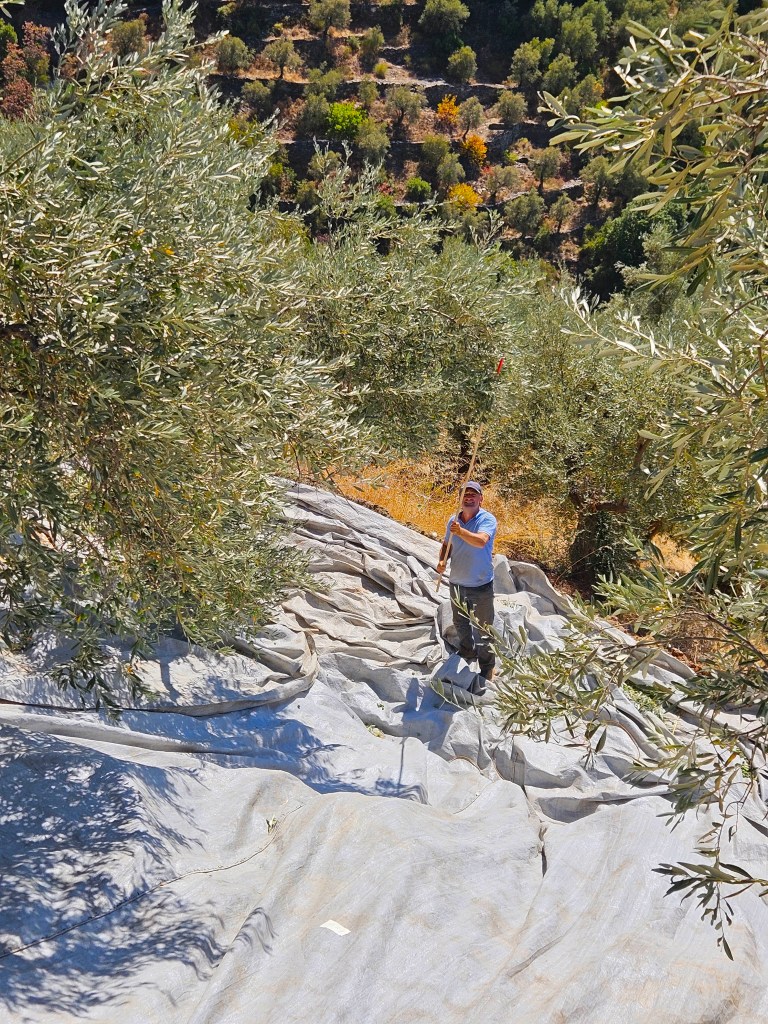
            The families work entirely by hand. Every task. Every season. Every tree. Manual labor remains at the center of the process. The trees receive only organic nutrition. No shortcuts. No aggressive interventions. No attempt to force production beyond what nature willingly provides. The objective is not maximum yield. The objective is stewardship.

            Because when a tree has survived two and a half centuries, ownership becomes an illusion. You do not truly own such a tree. You care for it temporarily.

            Caretakers rather than owners.

            The Economics of Patience

            One of the most revealing aspects of this olive oil is what the producers deliberately choose not to do. Most commercial olive oil production follows a simple economic principle. Wait longer. Harvest later. Increase yield. Produce more oil from the same fruit.

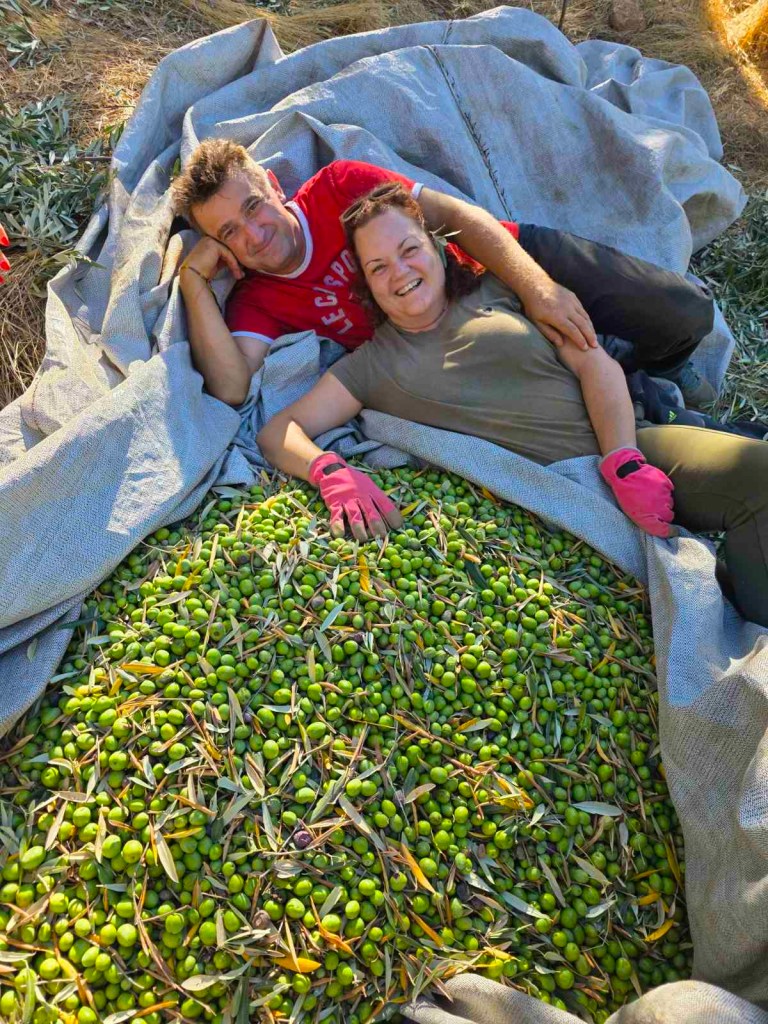
            The mathematics make sense. The flavor often suffers. Megi, Delcho, and their friends choose the opposite approach. Every year, they begin harvesting at the end of September. Very early. The olives are still young. Mostly green. Only beginning to show hints of violet.

            From a commercial perspective, this decision reduces output. The trees could produce more. The grove could generate higher returns. The producers knowingly reject that possibility. Because they are chasing quality rather than quantity. This decision defines the entire oil.
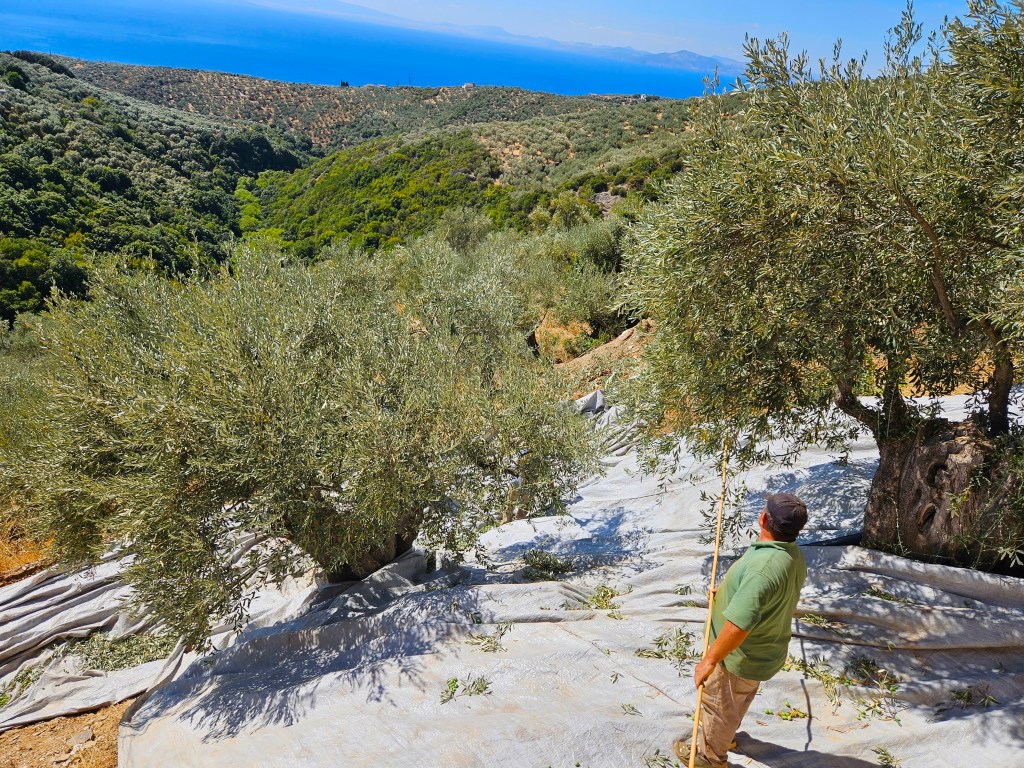
            Harvested for quality, not yield.

            One Day

            The most important day of the year begins before sunrise. The harvest starts early in the morning. The olives are picked by hand. Not shaken mechanically. Not stripped rapidly from branches. Collected carefully. Respectfully. Methodically. And then something critical happens.

            The olives are pressed the very same day.

            No waiting.
            No storage.
            No delay.

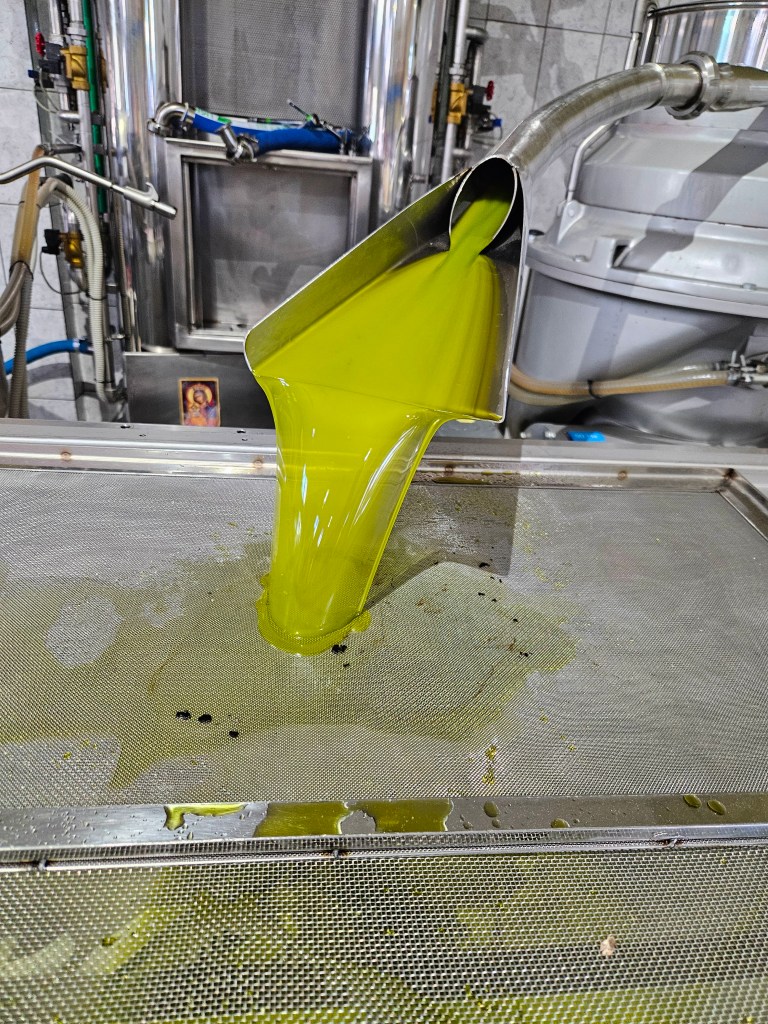
            The fruit travels directly to a family olive mill near Afetes. Within hours, olives become oil. This speed preserves freshness. Preserves aromatics. Preserves identity. Every additional hour matters. The producers understand this. The mill understands this. The result reveals itself immediately.

            The most important day of the year begins before sunrise.”

            Green

            The first thing people notice is the color. The oil appears vividly green. Alive. Bright. Almost luminous. This is not an accident. Nor is it cosmetic. The color reflects the harvest decision.

            Early-picked olives contain higher concentrations of chlorophyll and phenolic compounds. The result is an oil that behaves differently. The aroma becomes more intense. The structure becomes more vibrant. The nutritional profile becomes stronger. Most importantly, the oil tastes alive. Not soft. Not tired. Not generic. Alive.

            Green is the color of a decision.

            Unfiltered

            Modern consumers are often taught to associate clarity with quality. Clear wine. Clear broth. Clear oil. The assumption is understandable. And sometimes wrong.

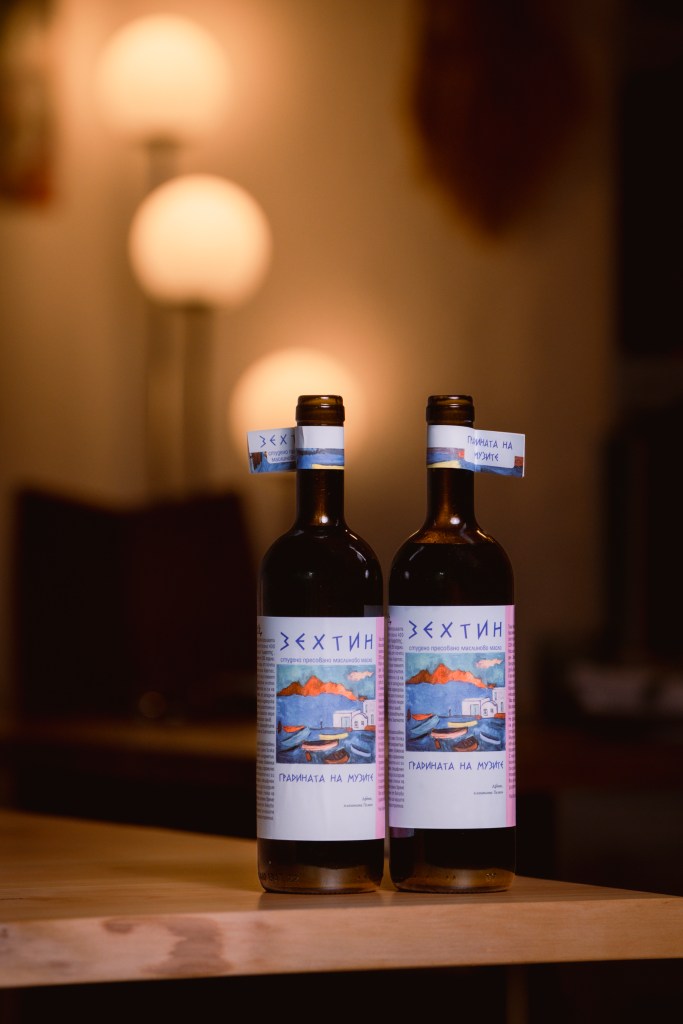
            This olive oil remains unfiltered. The cloudiness visible in the bottle is intentional. Natural. Authentic. Tiny particles remain suspended within the oil. Occasionally a slight sediment appears at the bottom. This is not a defect. It is evidence.

            Evidence that the oil has not been stripped of its character in pursuit of visual perfection. The producers prioritize integrity over appearance. At Dieci, we understand that philosophy intimately. Because we operate the same way.

            Stunning image captured by VelislavVelislav professional photographer, filmmaker, and editor from Plovdiv, Bulgaria. Lyon Visuals

            Not filtered. Not corrected. Not disguised.

            The Taste of a Place

            Every serious olive oil should tell a story. This one tells several. The aroma arrives first. Freshly crushed tomato leaves. Green herbs. Wild vegetation. The scent of harvest itself. Then comes the palate. Fresh. Vibrant. Slightly tart. Focused. And finally the finish.

            A pleasant peppery sensation moving gently through the throat. That pepperiness matters. It often indicates the presence of polyphenols.

            The compounds responsible for many of olive oil’s most celebrated health benefits. The sensation is not aggressive. It is alive. A reminder that this oil comes from fruit harvested before compromise began.

            Stunning image captured by @annavandorp, professional photographer, filmmaker, and editor from Amsterdam, Netherlands. https://www.frankcollective.nl/

            The flavor of patience.

            Why We Use It

            At Dieci, ingredients must earn their place. Not through prestige. Through meaning. This olive oil arrives from another country. Yet its story feels familiar. Small-scale production. Manual labor. Respect for tradition. Quality over quantity. Stewardship over ownership. These values align perfectly with our own. The oil is not merely an ingredient. It is a philosophy. One that happens to taste extraordinary.

            Stunning image captured by @annavandorp, professional photographer, filmmaker, and editor from Amsterdam, Netherlands. https://www.frankcollective.nl/

            The final ingredient is often the simplest.

            The Trees Will Remain

            One day, all of us will be gone. The chefs. The guests. The producers. The writers. The readers. The trees may still be standing. That thought changes perspective. Suddenly production statistics seem less important. Marketing becomes less important. Awards become less important. What matters is continuity. Care. Responsibility. The willingness to leave something healthy for whoever comes next. That is the true lesson of these olive trees. Not how to make olive oil. How to think in centuries.

            And every time we open a bottle at Dieci, we are reminded of that lesson. Three hundred trees. Two hundred and fifty years old. Still producing. Still teaching. Still waiting for the next harvest.

            Some lessons require centuries to write.”

          8. One Hundred Years Later

            By Dieci Boutique Restaurant.

            A century ago, children entered this building carrying notebooks. Today, travellers enter carrying reservations.

            The purpose has changed. The act of gathering has not. That is the strange beauty of old buildings. They outlive the intentions of their creators. They survive governments. They survive economic systems. They survive wars. They survive generations. They witness lives that will never meet one another. And yet they continue serving the same fundamental purpose. Bringing people together.

            The building that now houses Dieci Boutique Restaurant was not designed for gastronomy.
            It was designed for education.

            More than one hundred years ago, it served as the village schoolhouse of Devino. Children sat where diners now sit. Lessons were taught where wine is now poured. Conversations about arithmetic, history, and language once echoed through the same walls that now host conversations about food, wine, memory, and place.

            When we first encountered the building, we did not see a restaurant. We saw continuity.

            A Village That Most People Miss

            Devino is not a destination that appears on most international travel itineraries. It does not possess grand monuments. It does not attract tour buses. It does not compete for attention. In many ways, it represents the Bulgaria that exists beyond the guidebooks. Quiet. Rural. Unhurried. Authentic.

            Its population is small. Its pace is gentle. Its silence is profound.

            To some observers, these qualities might appear limiting. To us, they appeared liberating.

            Modern hospitality often gravitates toward places where attention already exists. We chose a place where attention had to be earned. That decision changed everything.

            Because when guests arrive in Devino, they are not arriving by accident. They arrive intentionally. The journey becomes part of the experience. The village becomes part of the story.

            The Children Who Came Before

            Every old school contains invisible layers of memory. You cannot see them. You cannot measure them. Yet they remain present.

            Imagine the children who once entered this building during the early decades of the twentieth century. Many would have arrived on foot. Some from neighboring farms. Others from nearby homes. Their lives were radically different from ours. No internet. No smartphones. No social media. No modern conveniences. Yet their aspirations were familiar. They came seeking opportunity. Knowledge. Possibility. A future larger than their immediate surroundings.

            Those children could never have imagined a fine-dining restaurant.

            Nor could they have imagined guests arriving from distant countries to dine within these walls.

            And yet there is something deeply fitting about the transformation. Education and hospitality share a common purpose. Both expand perspective. Both encourage curiosity. Both invite discovery. The building continues teaching. Only the subject matter has changed.

            “These walls remember more than we ever will.”

            Restoration Versus Reinvention

            When old buildings are restored, owners often face a temptation. Erase the past. Modernize everything. Create something entirely new.

            We resisted that impulse. The objective was never to erase history. The objective was to reveal it.

            The schoolhouse already possessed character. It already possessed authenticity. It already possessed meaning. Our responsibility was not to replace those qualities. Our responsibility was to preserve them.

            Every restoration decision was guided by a simple question: Does this respect the building?

            Not: Does this look luxurious?
            Not: Will this impress visitors?
            Not: Will this photograph well?

            Respect came first. Everything else followed. Because true luxury begins with authenticity.

            And authenticity cannot be manufactured.

            Why Place Matters

            The modern hospitality industry sometimes treats location as logistics. Accessibility. Visibility. Foot traffic. Convenience.

            We see location differently. Place shapes identity.

            A restaurant in Paris becomes part of Paris. A restaurant in Tokyo becomes part of Tokyo. A restaurant in Devino must become part of Devino.

            The landscape matters. The people matter. The climate matters. The silence matters. The isolation matters. The seasons matter. Even the limitations matter. Without Devino, Dieci would not be Dieci.

            The restaurant’s philosophy emerged directly from the environment surrounding it. The village did not merely host the project. The village helped create it.

            “Place is not background. Place is ingredient.”

            The Babas and Dyados

            Every village contains a living archive. In Devino, that archive exists within its people. The Babas and Dyados. The grandmothers and grandfathers. The elders who carry stories that never appear in books. Their knowledge is practical. Seasonal. Agricultural. Human.

            They understand weather patterns. Planting rhythms. Preservation methods. Local ingredients. Village history.

            Many of the insights that influence Dieci originate from conversations rather than research papers. A recipe. A technique. A memory. A story. A forgotten ingredient. A local tradition.

            The Babas and Dyados have become accidental collaborators. Not because they work in the restaurant. Because they help preserve the cultural ecosystem surrounding it. Their knowledge connects past and present.

            Food as Preservation

            One of the great paradoxes of gastronomy is that innovation often depends on memory. The most interesting ideas rarely emerge from nowhere. They emerge from reinterpretation.

            At Dieci, many contemporary techniques are applied to historical foundations.

            Fermentation.
            Preservation.
            Drying.
            Curing.
            Pickling.
            Seasonal planning.

            These practices existed long before modern gastronomy. The restaurant simply approaches them through a contemporary lens. The Bulgarian tradition of zimnina provides a perfect example. For generations, families preserved food to survive winter. Today, we preserve ingredients to capture flavor at its peak.

            The motivation has changed. The wisdom remains. The schoolhouse embodies the same principle. A historical structure serving a contemporary purpose.

            The future often begins with remembering.”
            Why Guests Come

            At first glance, the existence of a destination restaurant in a tiny village seems improbable.

            Why would guests travel so far? The answer is surprisingly simple. Meaning.

            The modern world offers convenience everywhere. Meaning is rarer.

            Guests travel because they seek experiences that feel genuine. Specific. Human. Rooted. Memorable.

            They are not merely purchasing dinner. They are participating in a narrative. The schoolhouse matters. The village matters. The producers matter. The wines matter. The journey matters.

            The combination creates something impossible to replicate elsewhere. And replication is increasingly common. Authenticity remains rare.

            “Some journeys are measured in meaning rather than distance.”

            One Hundred Years From Now

            No building lasts forever. Eventually every structure faces the same reality. Time wins.

            But before that happens, buildings can accumulate remarkable lives. This schoolhouse has already lived several. Educational institution. Village gathering place. Historical landmark. Restaurant.

            What comes next? We do not know. Nor should we. The future belongs to future generations.

            Our responsibility is simply to care for the building during the chapter entrusted to us. To add value rather than extract it. To preserve rather than diminish. To contribute rather than consume.

            If someone enters this building one hundred years from now, we hope they feel what we felt when we first discovered it. Potential. Character. Possibility.

            “Every generation becomes a temporary steward.”

            The Legacy We Hope To Leave

            Restaurants often think about legacy in terms of awards. Recognition. Rankings. Prestige.

            These things may have value. But they are temporary.

            A deeper legacy exists. A restored building. A preserved tradition. A supported producer. A remembered village. A protected landscape. A guest who leaves understanding Bulgaria differently than they did before arriving.

            These contributions endure. The schoolhouse taught children for decades. Today it teaches guests. Not through lectures. Through hospitality. Through food. Through wine. Through place. Through memory.

            One hundred years later, the building continues fulfilling its original purpose. Helping people understand the world a little more deeply. That may be the most beautiful form of continuity imaginable.

            “The lesson continues tomorrow.”