There is a moment in every agricultural project when its founders must make a decision. Not a technical decision. Not a financial decision. A philosophical one.
The question is simple: Are you trying to control nature? Or are you trying to understand it?
Most modern agriculture chooses control. Control creates predictability. Predictability creates efficiency. Efficiency creates scale. Scale creates profit. The formula is familiar. Monteremi chose something else.
Hidden in the rolling landscape near Elhovo in the Stara Zagora region of Bulgaria, Monteremi is not merely a winery. It is an argument. An argument against unnecessary intervention. Against shortcuts. Against the assumption that modern agriculture always improves what came before.
And perhaps most importantly, against the belief that bigger automatically means better.
At Dieci Boutique Restaurant, we are drawn to producers who make difficult decisions for the right reasons. Monteremi is one of them.
A Hill That Refuses Convenience
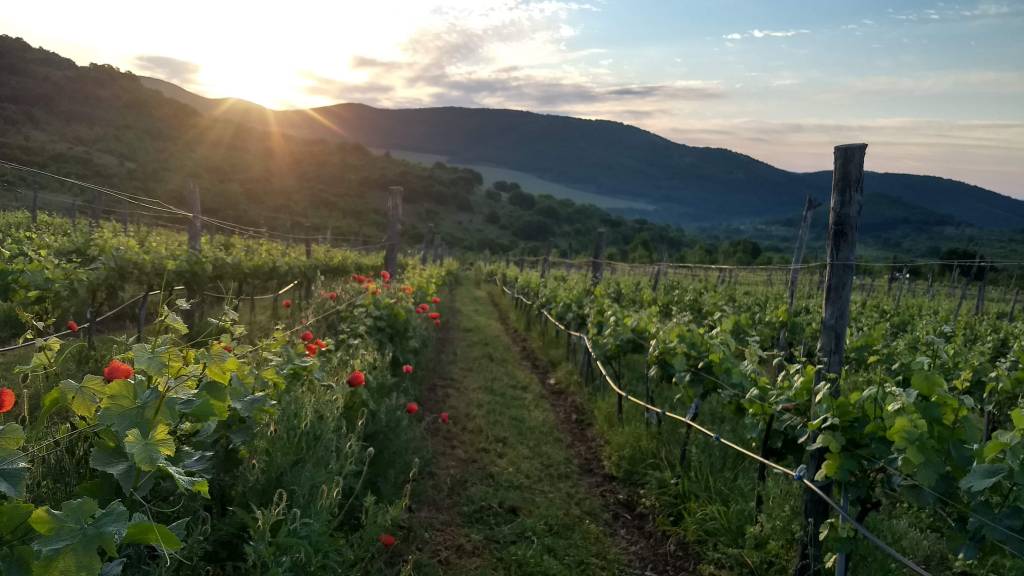
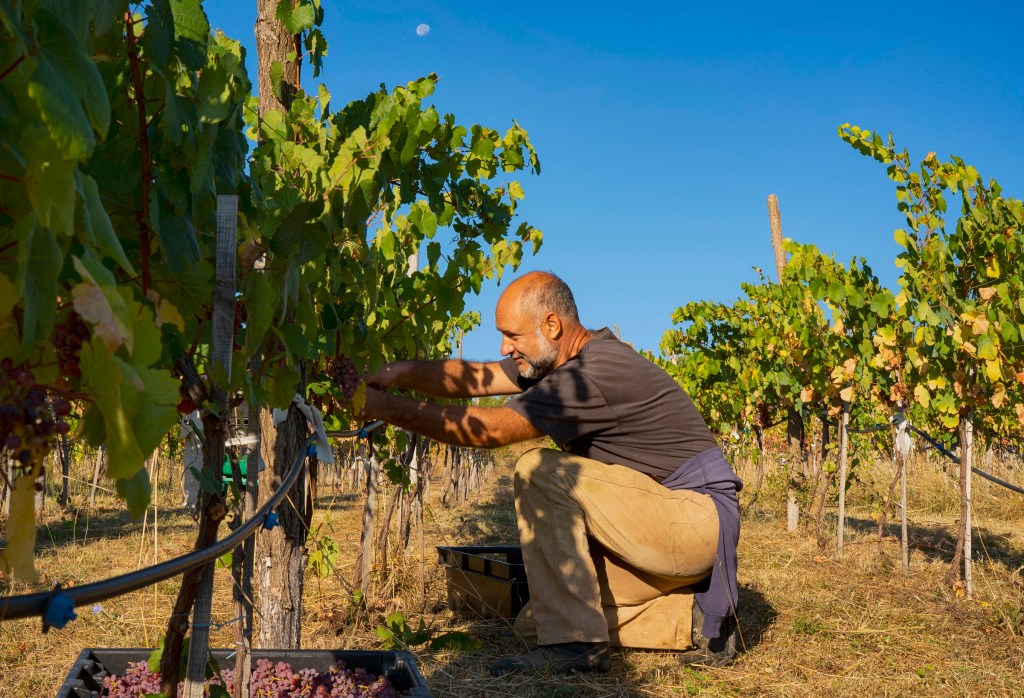
The first thing visitors notice about Monteremi is that the vineyard itself appears inconvenient. The slope is steep. The terrain is demanding. The soil is stubborn. There are easier places to plant vines. This is precisely why the site matters. Great agriculture often begins where convenience ends.
The vineyard stretches across a limestone-rich hillside surrounded by wild herbs, native vegetation, and the rhythms of an environment that remains largely untouched by industrial thinking.
Thyme grows naturally. Yarrow appears where it chooses. St. John’s wort shares the landscape with the vines. The result is not merely visual beauty. It is ecological complexity. The vineyard behaves less like a factory. More like an ecosystem. And ecosystems produce character.
Anton and the Refusal of Excess
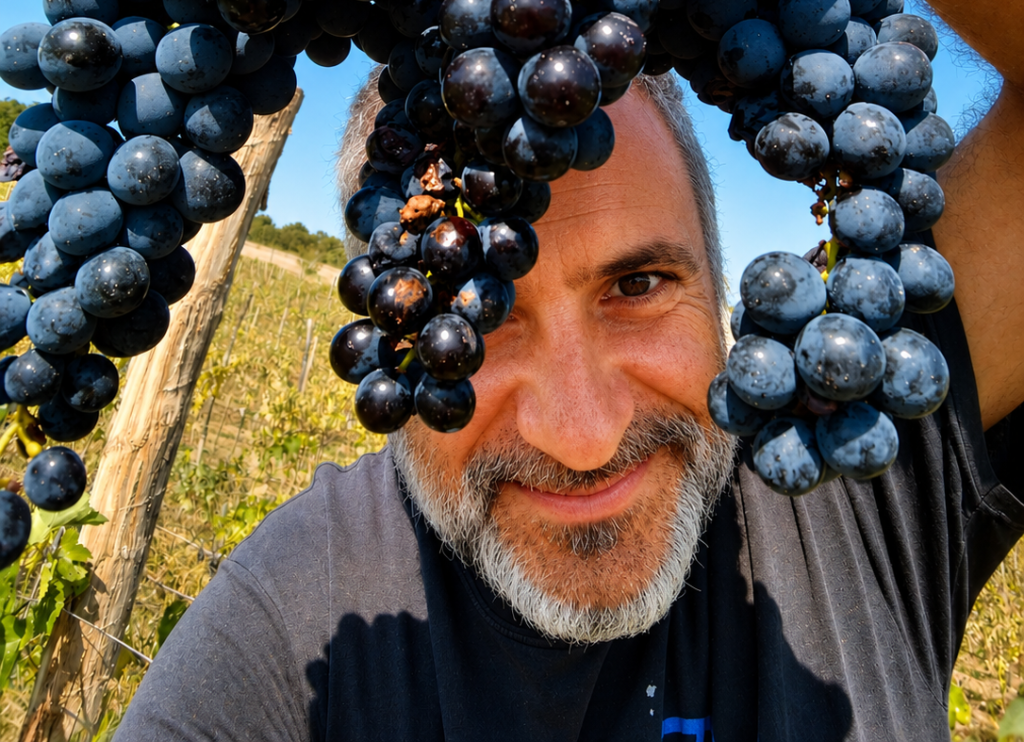
Every serious winery eventually becomes a reflection of the person guiding it. At Monteremi, that person is Anton.
His philosophy is radical only because modern agriculture has become accustomed to the opposite. The vineyard avoids heavy machinery. Chemical fertilizers are rejected. Intervention remains minimal. Nature is not treated as an obstacle to overcome. It is treated as a partner. This does not make the work easier. Quite the opposite.
Low-intervention farming demands greater observation. Greater patience. Greater humility. The farmer cannot simply impose solutions. The farmer must first understand problems. This difference changes everything. Because understanding requires attention. And attention remains one of the rarest resources in modern agriculture.
The Beauty of Imperfection
Modern consumers are often trained to expect consistency. Every bottle should taste identical. Every harvest should behave predictably. Every vintage should resemble the previous one. Monteremi rejects this expectation. Not recklessly. Intentionally.
The winery embraces vintage variation. Seasonal influence. Natural differences. Because these elements represent truth.
A wine that changes from year to year is not necessarily flawed. It may simply be honest. Climate changes. Rainfall changes. Sunlight changes. The vines respond accordingly.
Monteremi allows those changes to remain visible. The wines become records of time. Not products of standardization.

Fermentation Without a Script
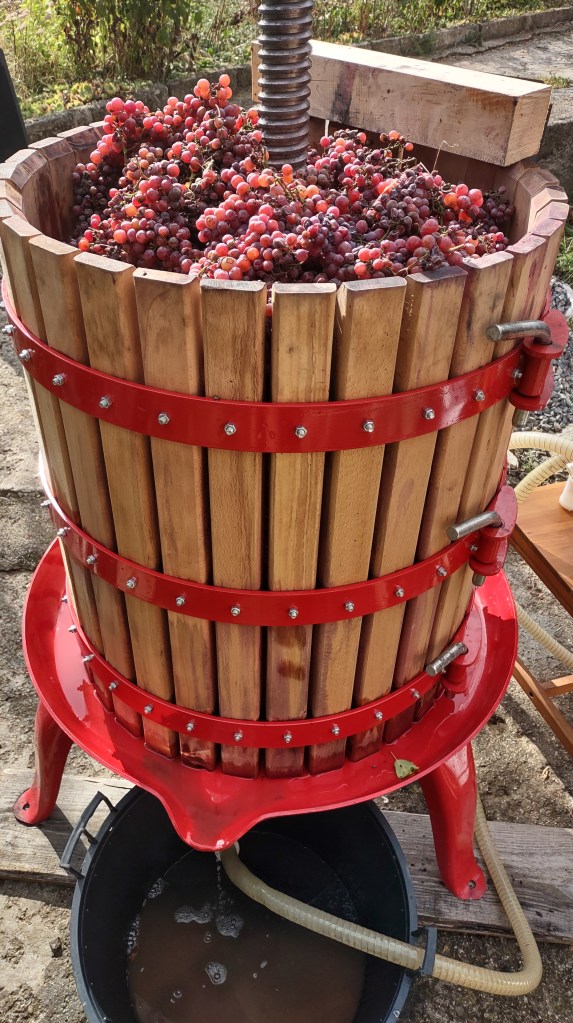
One of the defining characteristics of Monteremi is its commitment to spontaneous fermentation. No commercial yeast. No engineered shortcuts.
The process begins with naturally occurring microorganisms already present in the vineyard and cellar.
This approach introduces risk. Fermentations can behave unpredictably. Timelines become less certain. Results become less uniform. Many wineries avoid these risks. Monteremi embraces them. Because complexity often emerges from uncertainty.
The yeast population becomes part of the terroir. Part of the vineyard’s identity. Part of the final expression. The wine does not merely come from the vineyard. It comes from the living ecosystem surrounding the vineyard. This distinction may seem subtle. Its impact is profound.
The Orange Revolution
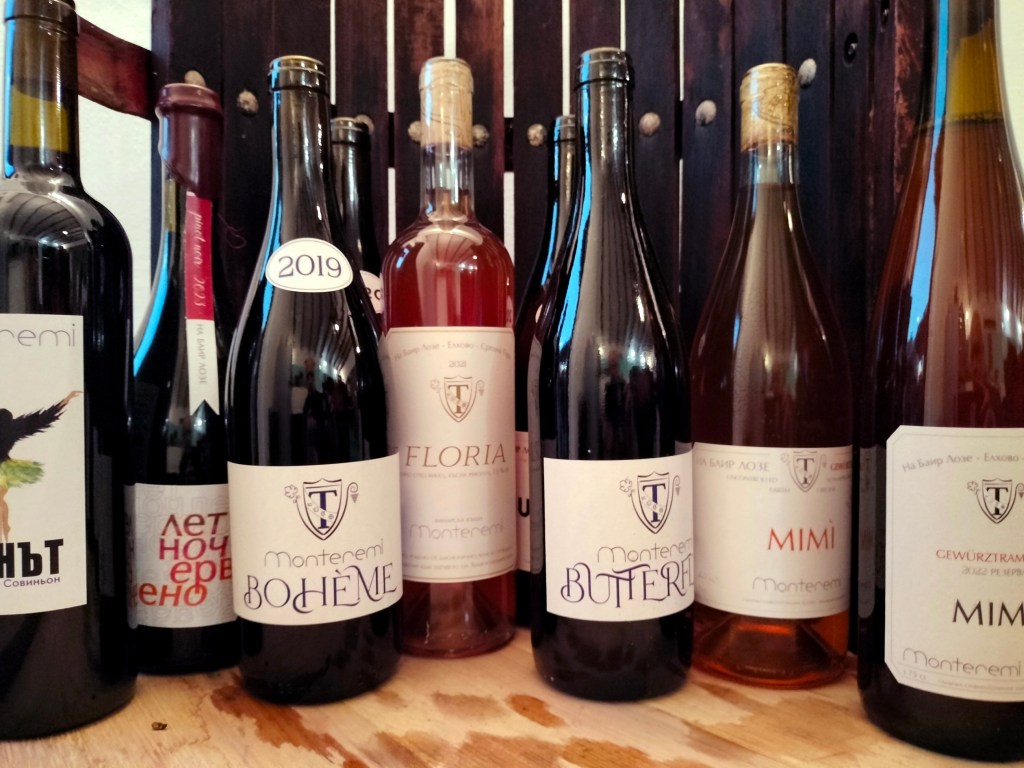
Among Monteremi’s most fascinating wines is Gewürztraminer Floria.
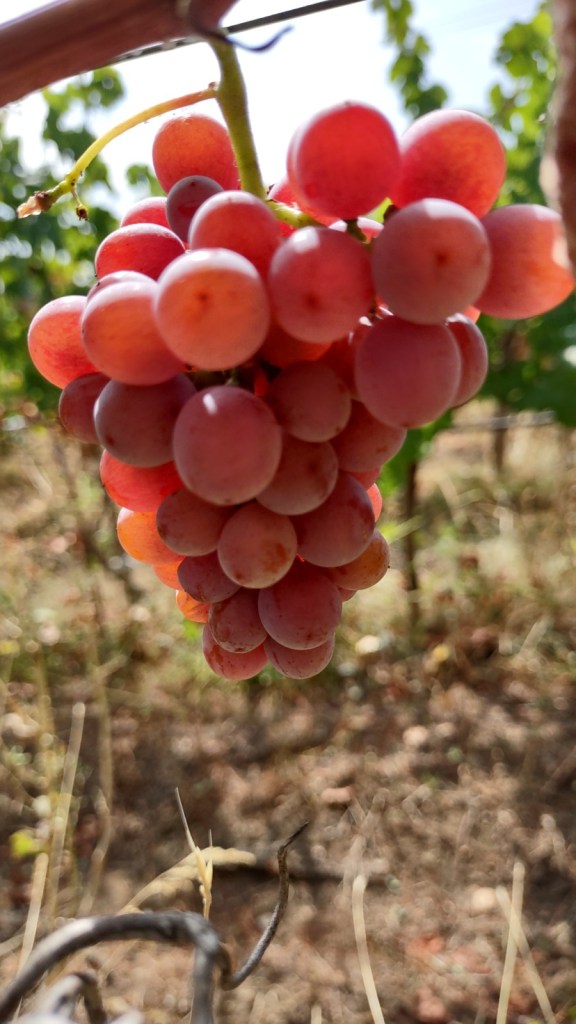
At first glance, the choice appears unusual. Gewürztraminer is not a grape typically associated with Bulgarian identity. Yet Monteremi’s interpretation feels deeply connected to place. Through extended skin contact, the wine enters the world of orange wine. The result is textured.
- Aromatic.
- Structured.
- Layered.
- Floral notes intertwine with spice.
- Freshness meets grip.
The wine becomes simultaneously familiar and surprising.
At Dieci, this style of wine plays an important role. Not because it is fashionable. Because it creates conversation. Orange wines occupy a space between categories. Guests must pay attention. Assumptions become unreliable. Discovery becomes possible.
Sagrantino in Bulgaria
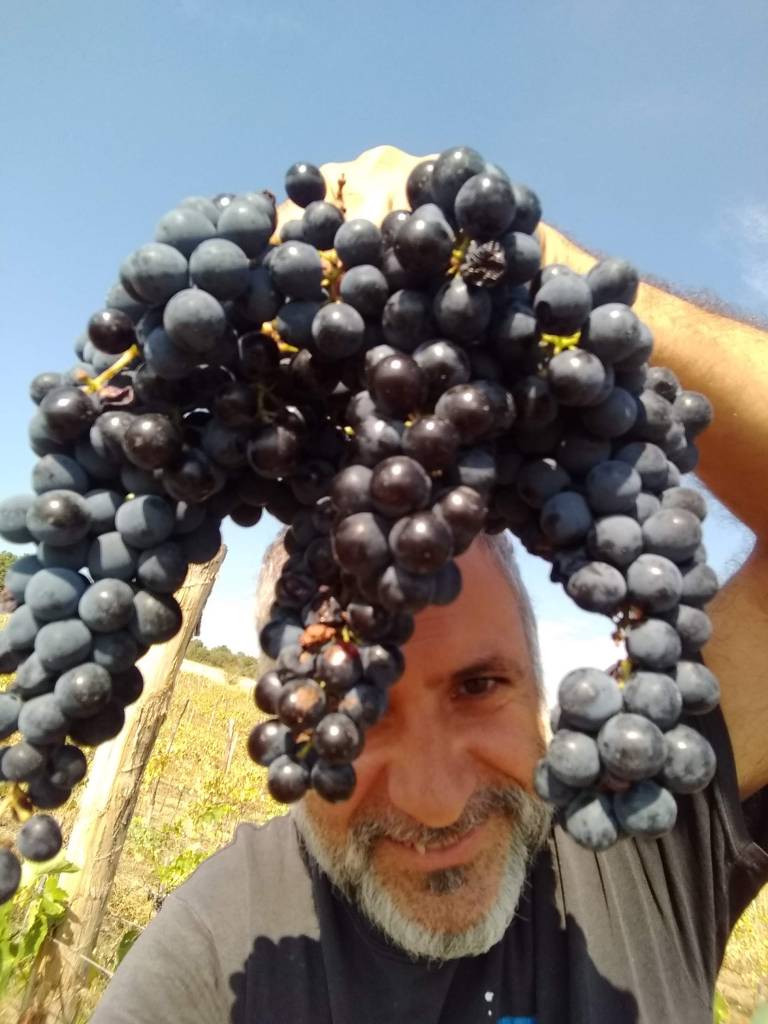
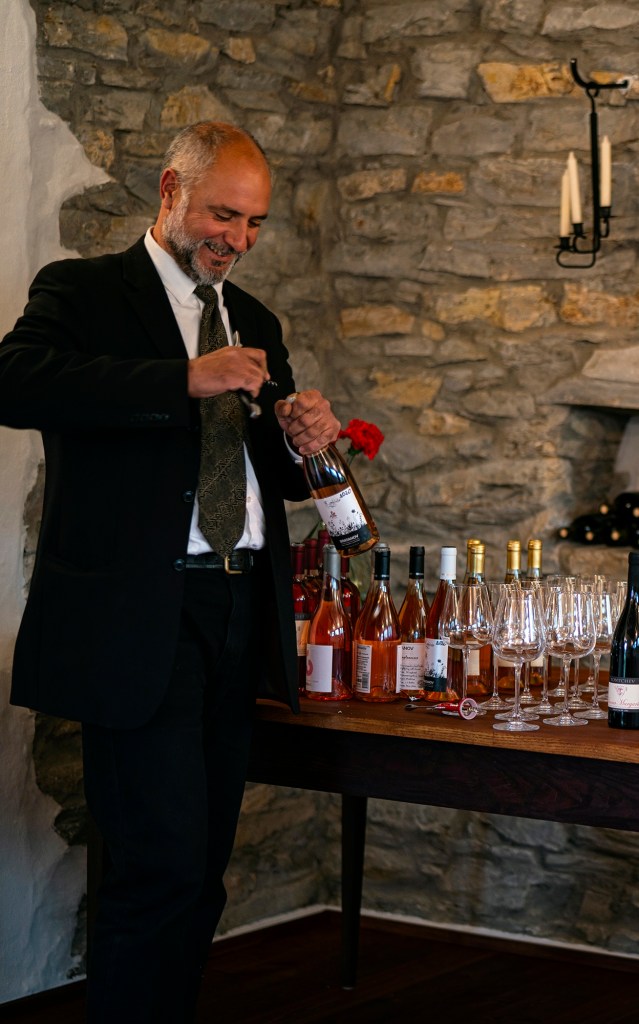
Perhaps no decision better illustrates Monteremi’s spirit than the cultivation of Sagrantino. The grape is famously difficult. Tannic. Demanding. Stubborn. Most producers would not consider it an obvious choice. Anton did.
And that choice reveals something important. Monteremi is not attempting to replicate established formulas. The winery explores possibility.
- What happens when difficult grapes meet unexpected landscapes?
- What happens when unconventional decisions are given enough time?
- What happens when experimentation is guided by conviction rather than trend?
The answers appear bottle by bottle. Vintage by vintage. Slowly. Patiently. Without fanfare.
Saturnalia
Every winery eventually produces a bottle that serves as a manifesto.
At Monteremi, Saturnalia comes remarkably close. The blend combines Pinot Noir, Sangiovese, Cabernet Franc, and Sagrantino. Each variety contributes something essential.
- Finesse.
- Freshness.
- Structure.
- Depth.
The wine becomes a conversation between grapes. A balance between restraint and intensity.
At Dieci, Saturnalia performs beautifully alongside some of the restaurant’s most complex dishes.
Wild truffles. Aged dairy. Slow-cooked proteins. Fermented elements.
The wine does not dominate. It participates. Which is exactly what great wine should do.
Why Monteremi Belongs at Dieci Boutique Restaurant?
Many producers create excellent products. Far fewer share a common philosophy.
Monteremi and Dieci arrive at similar conclusions from different directions.
The winery believes that intervention should be limited. The restaurant believes that ingredients should speak clearly.
The winery values ecological intelligence. The restaurant values circular gastronomy.
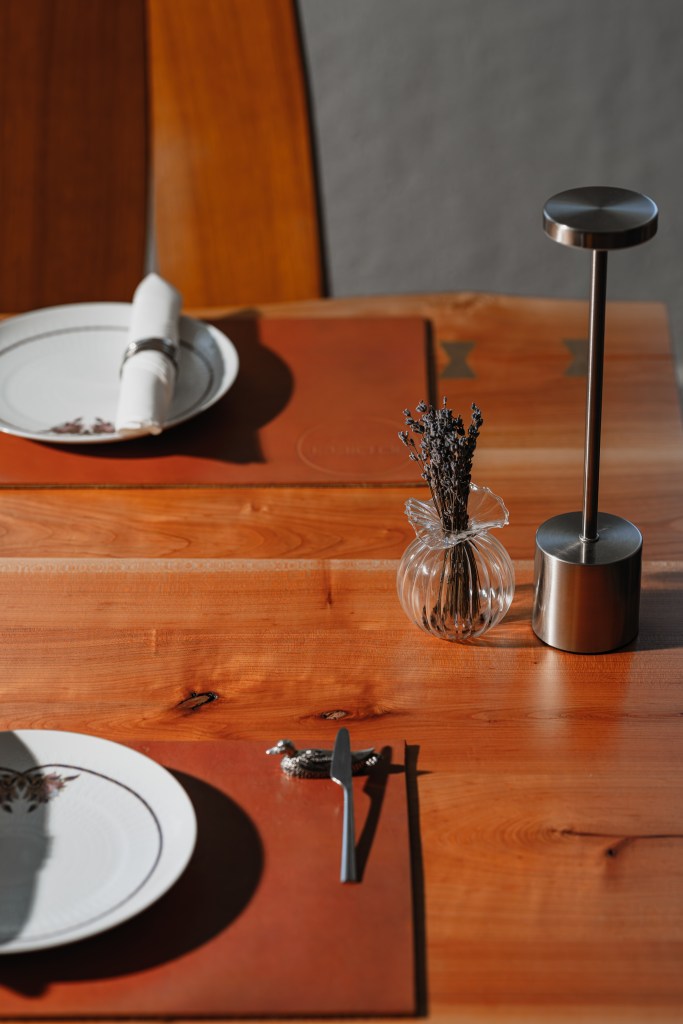
The winery chooses quality over quantity. The restaurant serves ten guests.
The parallels are obvious. Both projects reject industrial logic. Both prioritize authenticity over efficiency. Both understand that limitations can become strengths.
This alignment creates a natural partnership. The wines do not merely accompany the menu. They reinforce its worldview.
The Future of Small Producers
The future of gastronomy will not belong exclusively to the largest producers. Nor should it.
Some of the most important agricultural ideas emerge from small projects operating far from the spotlight. Monteremi represents this reality. A single hillside. A focused vision. A commitment to patience. A willingness to remain small.
In a world increasingly obsessed with scale, these qualities become revolutionary. Because scale can produce volume. But it rarely produces intimacy. And intimacy is where character lives.
A Different Definition of Success
Success in wine is often measured through numbers. Cases produced. Markets entered. Awards won. Exports achieved.
Monteremi invites a different measurement.
- Can a vineyard remain honest?
- Can a producer remain curious?
- Can a wine remain connected to its place?
- Can agriculture remain human?
These questions matter more than production statistics. Because they determine whether a winery becomes memorable. Monteremi has chosen its answer. The hard way. The slow way. The uncertain way. The human way.
And that is precisely why its wines belong at Dieci. Not because they are perfect. Because they are alive. And because every bottle reminds us that nature rarely produces greatness through control.
It produces greatness through relationship. The vineyard listens. The wine responds. The guest discovers. And the conversation continues.


Leave a Reply