• Luxury After Excess

    The Future of Fine Dining May Be Smaller, Slower, and More Human

    For many years, luxury hospitality pursued expansion.

    More visibility.
    More volume.
    More spectacle.

    But contemporary refinement increasingly moves toward reduction instead.

    Smaller spaces.
    Fewer tables.
    Greater attention.
    Longer conversations.

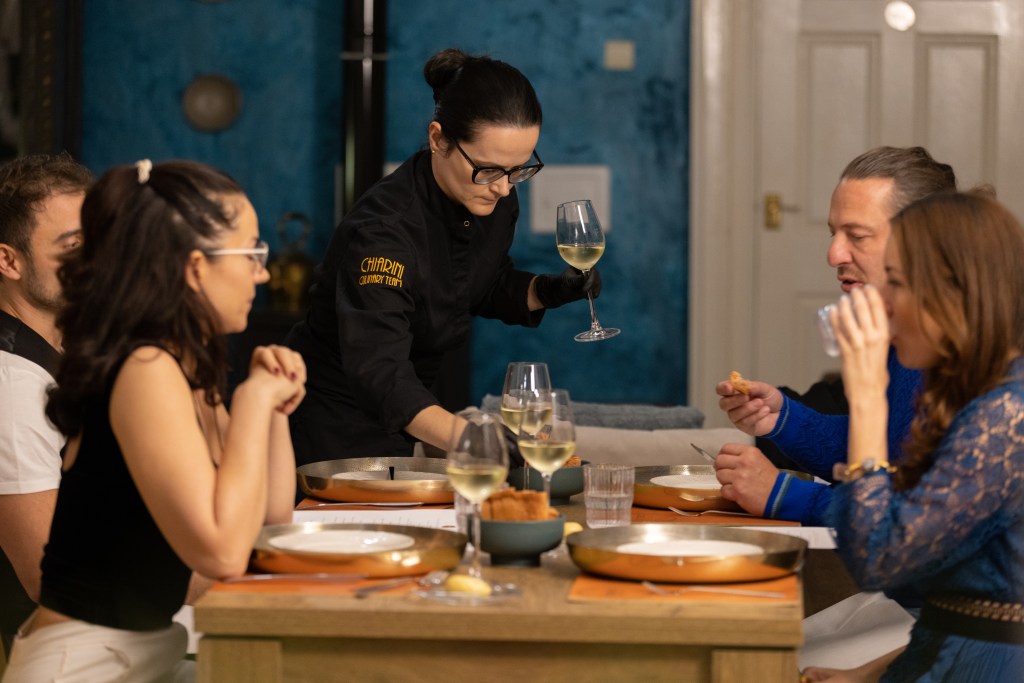
    At Dieci Boutique Restaurant, intimacy is not limitation. It is infrastructure. Smaller environments allow hospitality to remain observant, emotionally responsive, and human.

    The future guest no longer seeks only technical perfection. Increasingly, they seek sincerity.

    This changes luxury fundamentally.

    Perhaps refinement no longer depends on demonstrating abundance.
    Perhaps it depends on protecting attention from unnecessary excess.

  • The Architecture of Silence in Hospitality

    Why Great Restaurants Understand Space Before Service

    Silence is rarely empty.

    In hospitality, silence carries temperature, rhythm, anticipation, and emotional concentration.

    Restaurants that understand this instinctively create environments where guests begin listening differently — not only to conversation, but to atmosphere itself.

    At Dieci Boutique Restaurant, silence is treated as material. Acoustics, spacing, lighting, and service rhythm are designed carefully enough to allow attention to deepen naturally.

    Modern life is saturated with interruption.
    Luxury increasingly means protection from that condition.

    The future of hospitality may depend less on spectacle and more on emotional calmness.

    Not every space must compete for attention.

    Some spaces become memorable precisely because they refuse to.

  • Why Precision Creates Emotion

    The Invisible Discipline Behind Memorable Dining

    Emotion in gastronomy is rarely accidental.

    It emerges from precision repeated quietly enough to disappear from visibility altogether.

    The distance between elements on a plate.
    The warmth of ceramic against the hand.
    The timing between courses.
    The silence before explanation.

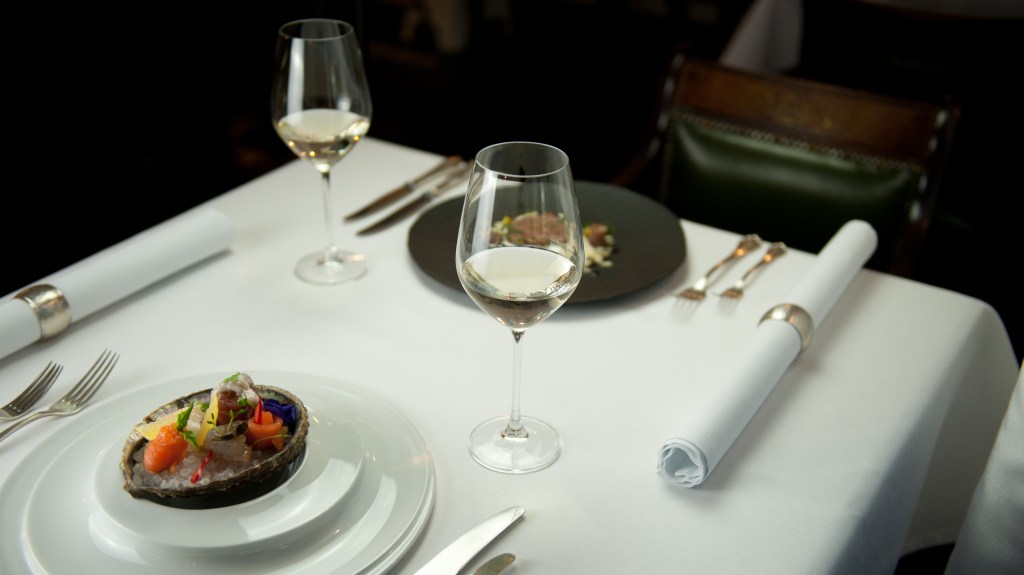
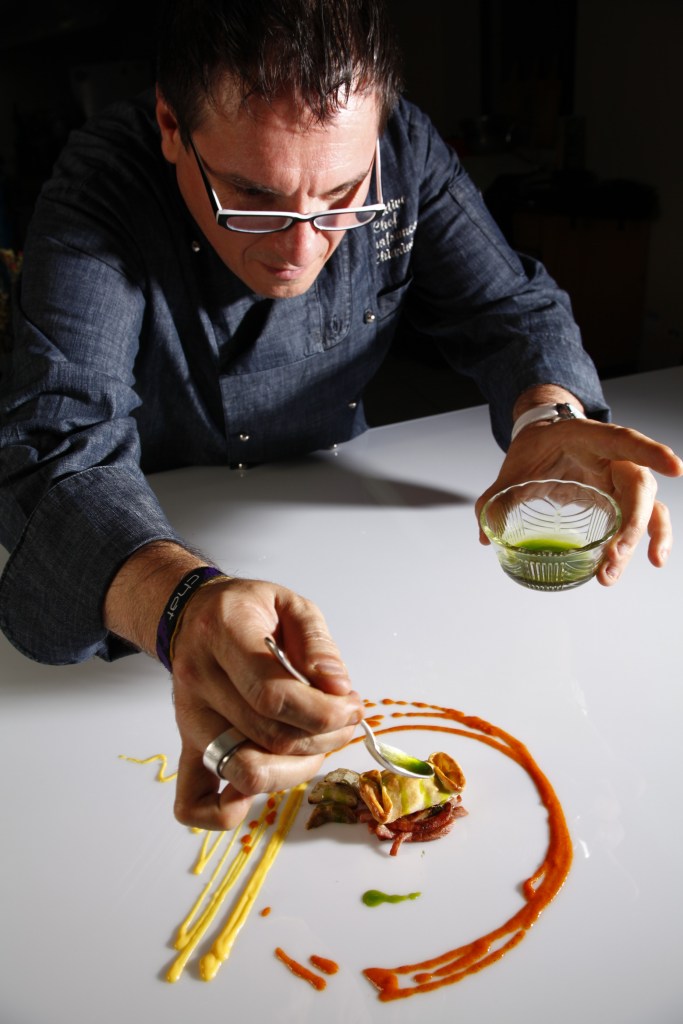
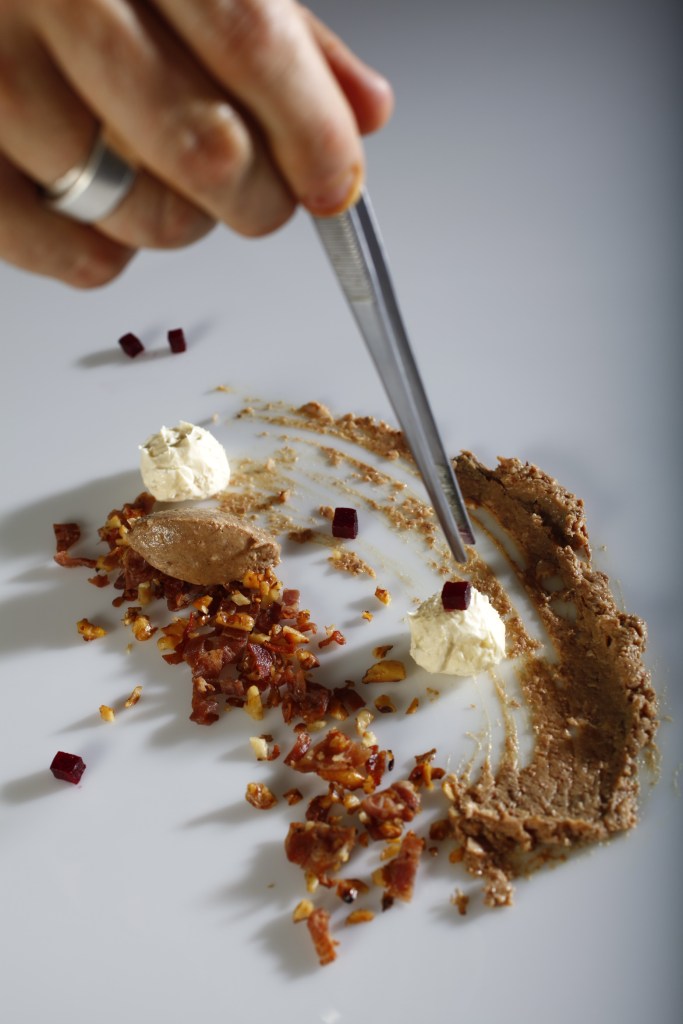
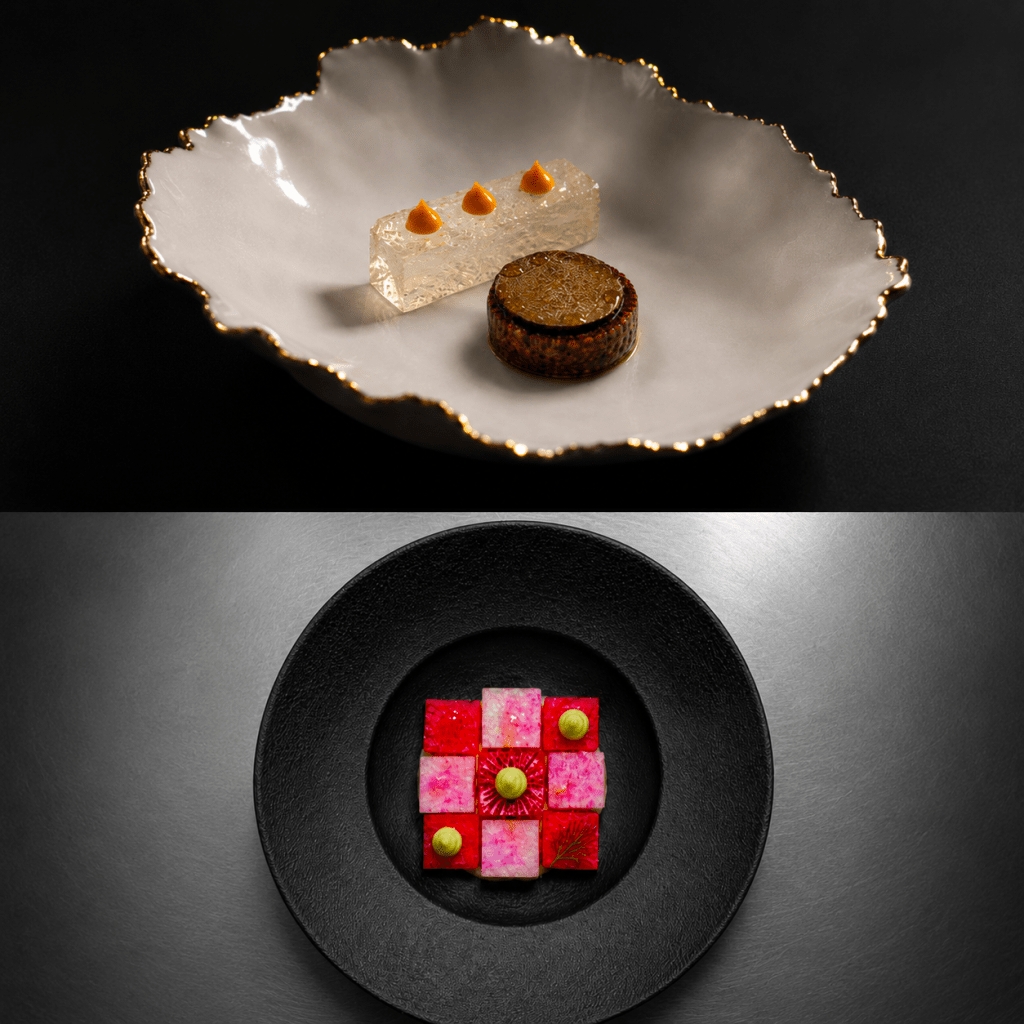
    At Dieci Boutique Restaurant, precision is approached not as technical obsession, but as emotional architecture. Every adjustment influences perception, even when guests never consciously notice it.

    The greatest hospitality often feels effortless precisely because immense discipline exists beneath the surface.

    Modern fine dining sometimes mistakes complexity for sophistication. Yet emotional impact frequently emerges from reduction rather than accumulation.

    A memorable meal rarely overwhelms.
    It lingers.

    And perhaps lingering is the purest form of refinement.

  • The Hidden Gastronomic Villages of Europe

    Places Where Food Still Belongs to the Land

    Europe’s culinary future may emerge from places many travelers still overlook.

    Not capitals.
    Not luxury districts.
    Not gastronomic corridors built entirely around tourism.

    But villages.

    Places where agriculture still shapes rhythm. Where ingredients still belong to local climate. Where silence still exists naturally. Where hospitality remains connected to land rather than performance.

    Devino represents this possibility quietly.

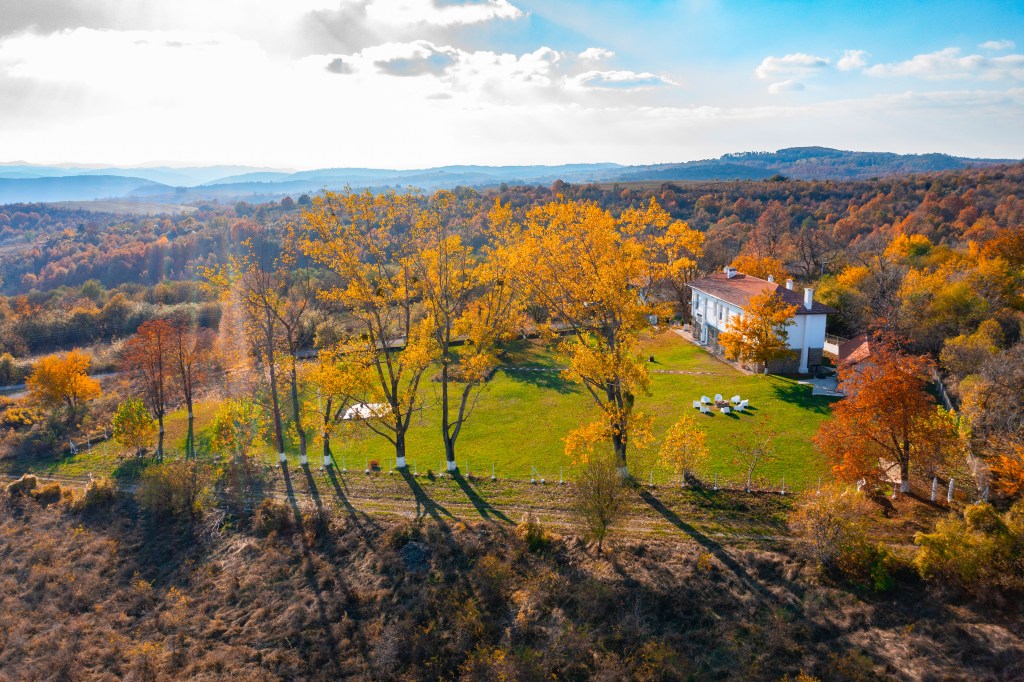
    At Dieci Boutique Restaurant, the surrounding geography is not decorative context. It actively shapes the emotional and operational identity of the restaurant itself.

    Modern gastronomy often risks becoming geographically anonymous. Similar interiors. Similar ingredients. Similar language repeated internationally.

    But villages preserve specificity.

    The smell of forests after rain.
    Seasonal shifts.
    Distance from urban acceleration.
    Relationships between people and territory.

    These things cannot easily be manufactured.

    And perhaps this is precisely why they are becoming increasingly valuable.

  • Beyond Prestige, Beyond Reservations

    People rarely travel long distances only for food.

    They travel for atmosphere.
    For anticipation.
    For interruption.
    For memory.

    The greatest destination restaurants create temporary emotional displacement from ordinary life itself.

    At Dieci Boutique Restaurant, the journey matters as much as the table. Distance changes perception. The countryside slows attention. The village atmosphere softens urgency. Arrival becomes part of the experience rather than merely transportation toward it.

    Prestige alone no longer guarantees meaning.

    Many modern guests increasingly seek places that feel emotionally specific rather than globally interchangeable.

    This changes the future of hospitality dramatically.

    Restaurants capable of creating intimacy, geography, rhythm, and psychological stillness may become more valuable than restaurants built purely around visibility.

    Sometimes the most memorable dining experiences are not the loudest ones.
    But the ones that briefly make the outside world disappear.

  • Ancient Balkan Ingredients Reimagined

    Memory, Wild Herbs, and the Intelligence of Regional Taste

    Certain flavors belong to geography long before they belong to cuisine.

    The Balkans developed around preservation, mountain climates, wild herbs, fermentation, smoke, dairy cultures, and resilient agriculture capable of surviving difficult terrain and changing seasons.

    Many of these ingredients emerged not from luxury, but from necessity.

    Yet necessity often creates intelligence.

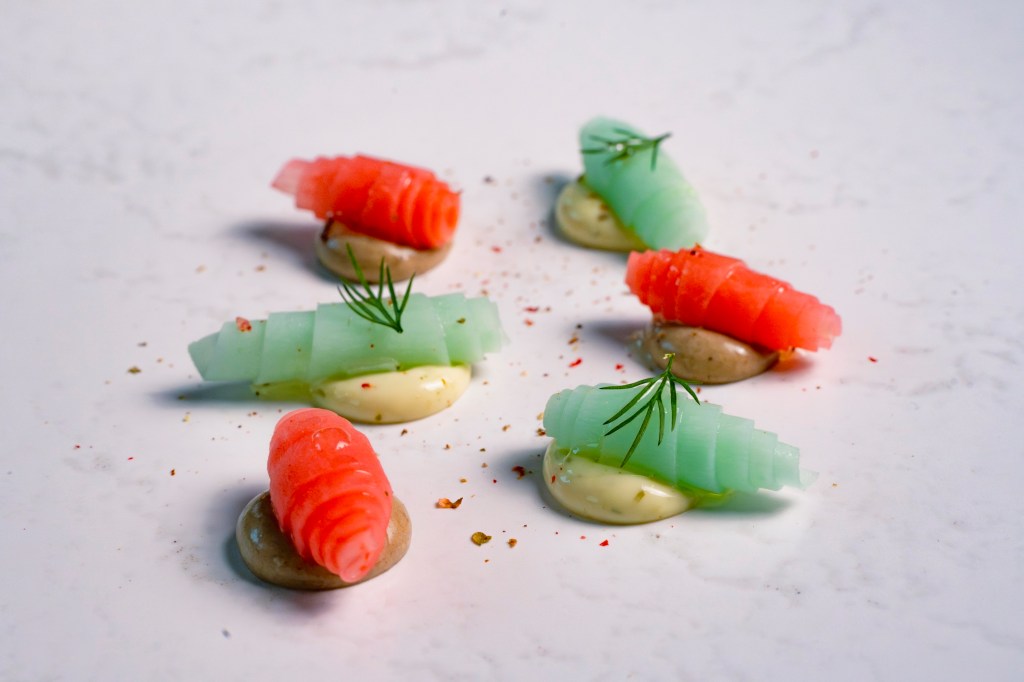
    At Dieci Boutique Restaurant, ancient Balkan ingredients are approached not as historical artifacts, but as living cultural vocabulary capable of contemporary expression.

    A wild herb carries memory.
    A fermented dairy culture carries time.
    A smoked preparation carries climate.

    Modern gastronomy often searches endlessly for novelty while overlooking the emotional depth already embedded inside regional products.

    Reinterpretation therefore becomes more meaningful than invention.

    The ingredient itself already contains history.
    The responsibility of the chef is simply learning how to listen carefully enough to reveal it.

  • Why Sustainable Fine Dining Is the Future

    The End of Excess and the Return of Responsibility

    Luxury hospitality is entering a period of contradiction.

    For years, refinement was associated with abundance: imported products, excessive energy consumption, unnecessary waste, visual opulence.

    But contemporary gastronomy increasingly understands something uncomfortable:

    Excess is no longer sophisticated.

    The future of fine dining may depend not on what restaurants consume, but on what they preserve, regenerate, and respect.

    At Dieci Boutique Restaurant, sustainability is not approached as environmental theater. It exists operationally — through composting systems, recycled materials, circular production, local sourcing, thermal efficiency, and long-term ecological thinking integrated directly into daily life.

    Responsibility changes aesthetics.

    The future restaurant may feel quieter. Smaller. More regionally connected. More seasonally constrained. More emotionally intelligent.

    Not less luxurious.
    Simply less wasteful.

    There is something deeply contemporary about restraint.

    Perhaps true refinement no longer means demonstrating how much can be acquired.
    But how carefully resources can be transformed without losing beauty.

  • The Renaissance of Bulgarian Haute Cuisine

    Why a New Culinary Identity Is Emerging from Silence

    For decades, Eastern European gastronomy remained largely invisible within the global conversation surrounding fine dining.

    Not absent.
    Invisible.

    Many regional culinary traditions survived quietly, protected inside villages, homes, mountains, forests, monasteries, and seasonal rituals that modern gastronomy often overlooked in favor of spectacle and metropolitan visibility.

    But silence has its own form of preservation.

    Today, Bulgarian haute cuisine is beginning to emerge differently. Not through imitation of Western luxury, but through the rediscovery of regional intelligence that was always present beneath the surface.

    At Dieci Boutique Restaurant, this evolution is approached carefully. Tradition is not treated as folklore. It is treated as living material — capable of refinement without losing emotional truth.

    The future of Bulgarian gastronomy may not depend on reinvention alone.
    It may depend on reinterpretation.

    Wild herbs. Fermentation. Fire. Smoke. Yogurt cultures. Mountain agriculture. Preservation. Patience. Hospitality.

    The foundations already exist.

    What changes now is the language surrounding them.

    Perhaps the next great culinary territories will not emerge from louder cities.
    But from places that remained quiet long enough to remember who they were.

  • Why Contemporary Gastronomy Is Returning to Primitive Ideas

    The future of gastronomy increasingly resembles the past.

    Fire. Smoke. Fermentation. Clay. Preservation. Ash. Natural materials.

    Many contemporary restaurants are rediscovering ancient principles because those ideas were never obsolete. They were simply forgotten during industrialization.

    At Dieci Boutique Restaurant, modern gastronomy coexists with primitive forms of transformation. Fire remains central.

    Natural textures remain visible. Materials are allowed to age honestly.

    Innovation does not always mean invention.

    Sometimes innovation means returning to fundamentals with greater understanding.

    The oldest techniques in human history may still be the most emotionally powerful.

  • What the Forests Around Devino Teach About Patience

    Nature moves at a different speed than modern life.

    Forests do not accelerate.
    Seasons do not negotiate.

    The landscapes surrounding Devino constantly remind us that patience is not weakness. It is structure.

    At Dieci Boutique Restaurant, this relationship with nature influences not only ingredients, but philosophy itself.

    Observation becomes more important than speed. Timing becomes more important than quantity.

    Great gastronomy often requires restraint.

    The natural world already understands this principle perfectly.

    Human beings are only beginning to remember it again.