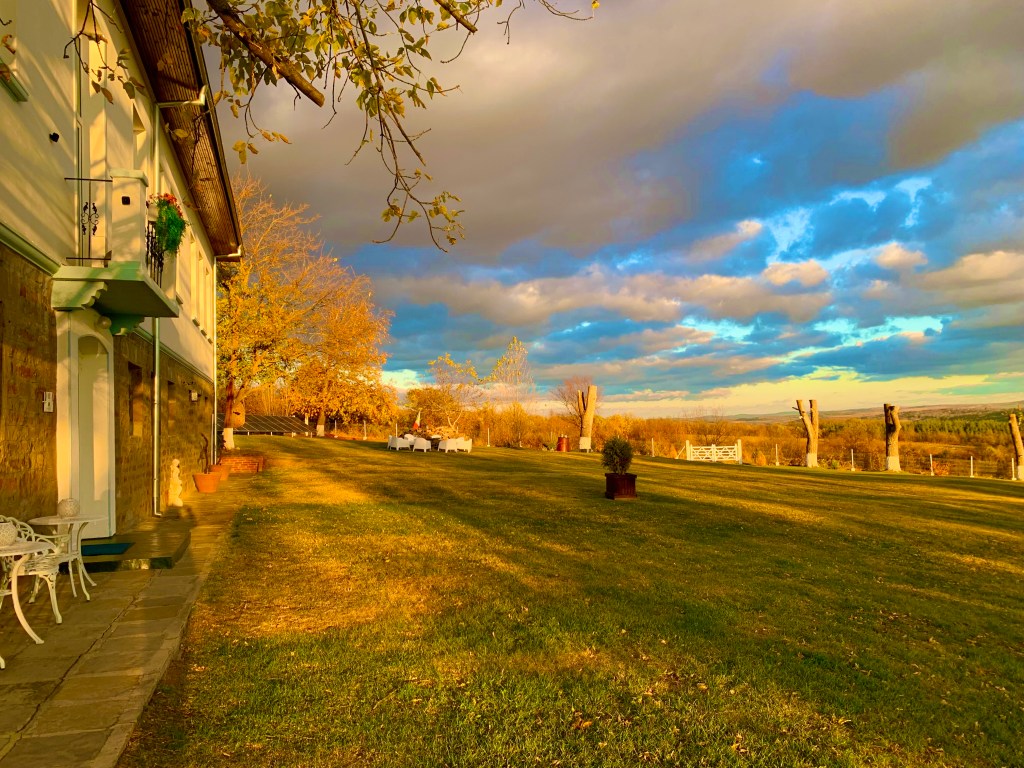
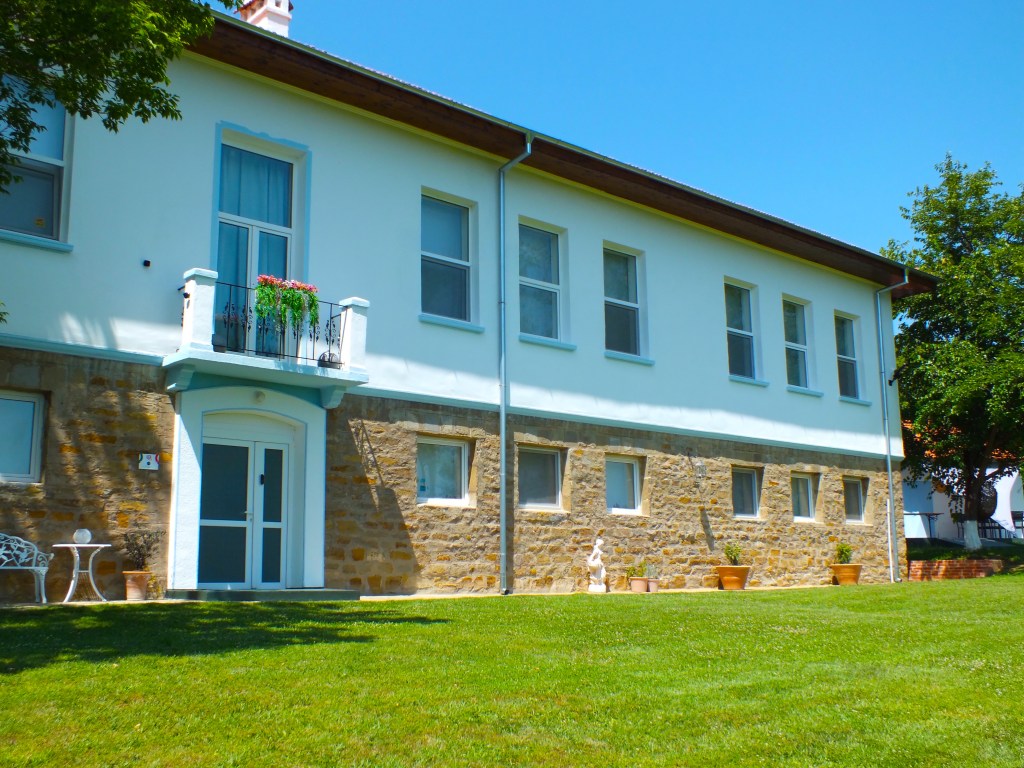
A century ago, children entered this building carrying notebooks. Today, travellers enter carrying reservations.
The purpose has changed. The act of gathering has not. That is the strange beauty of old buildings. They outlive the intentions of their creators. They survive governments. They survive economic systems. They survive wars. They survive generations. They witness lives that will never meet one another. And yet they continue serving the same fundamental purpose. Bringing people together.
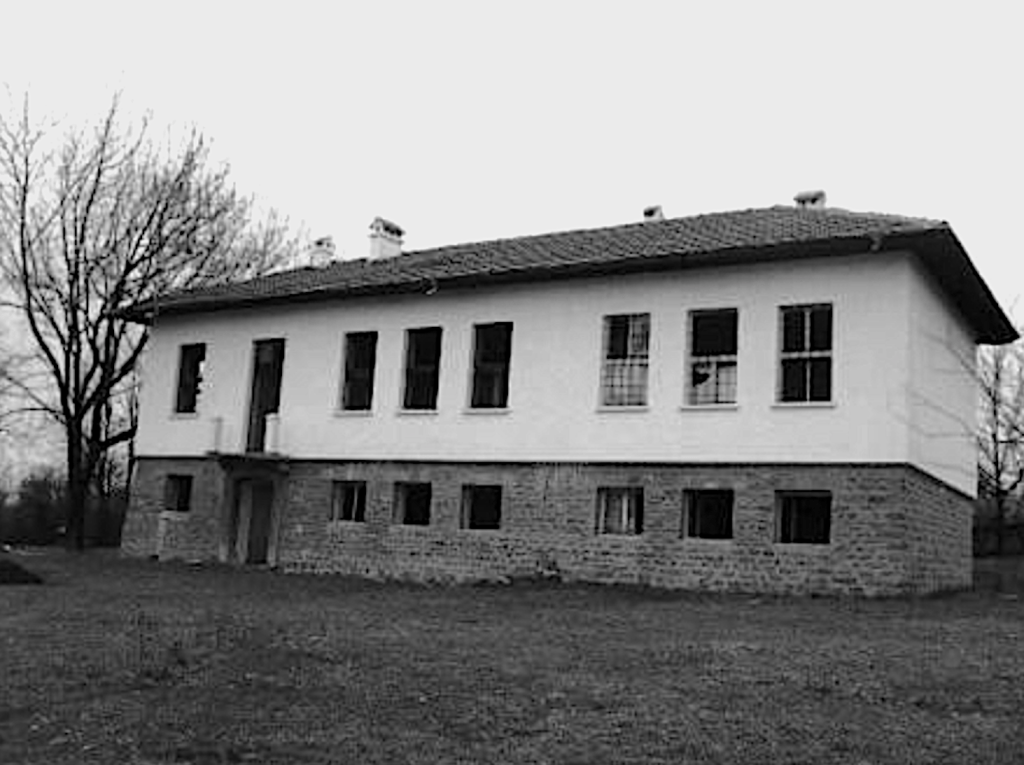
The building that now houses Dieci Boutique Restaurant was not designed for gastronomy.
It was designed for education.
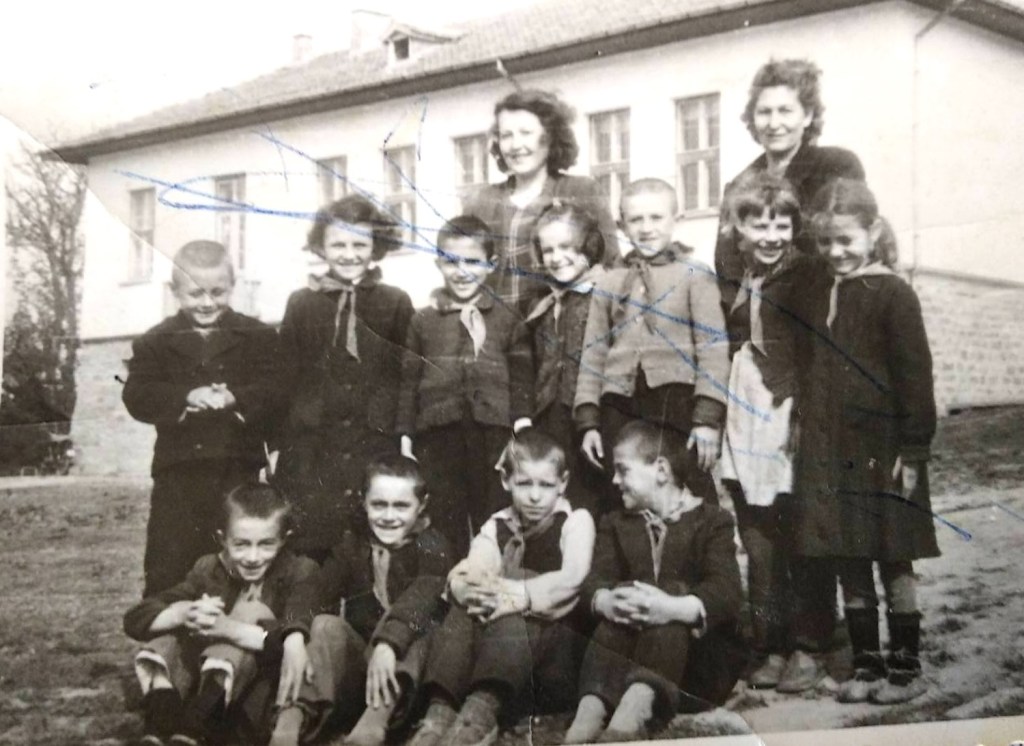
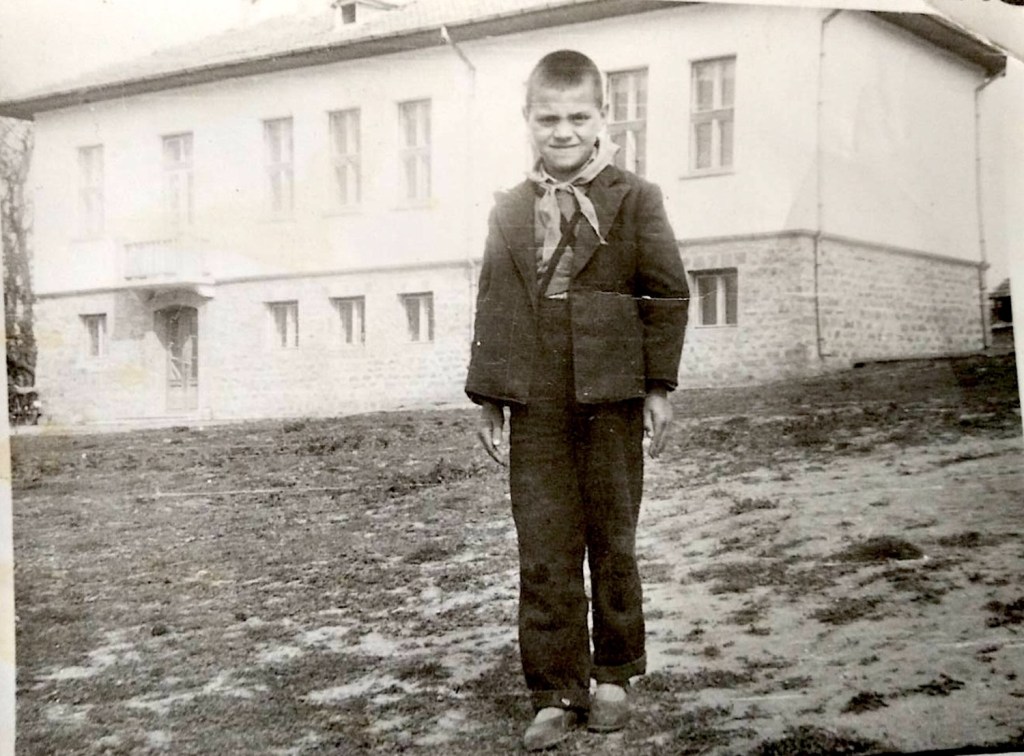
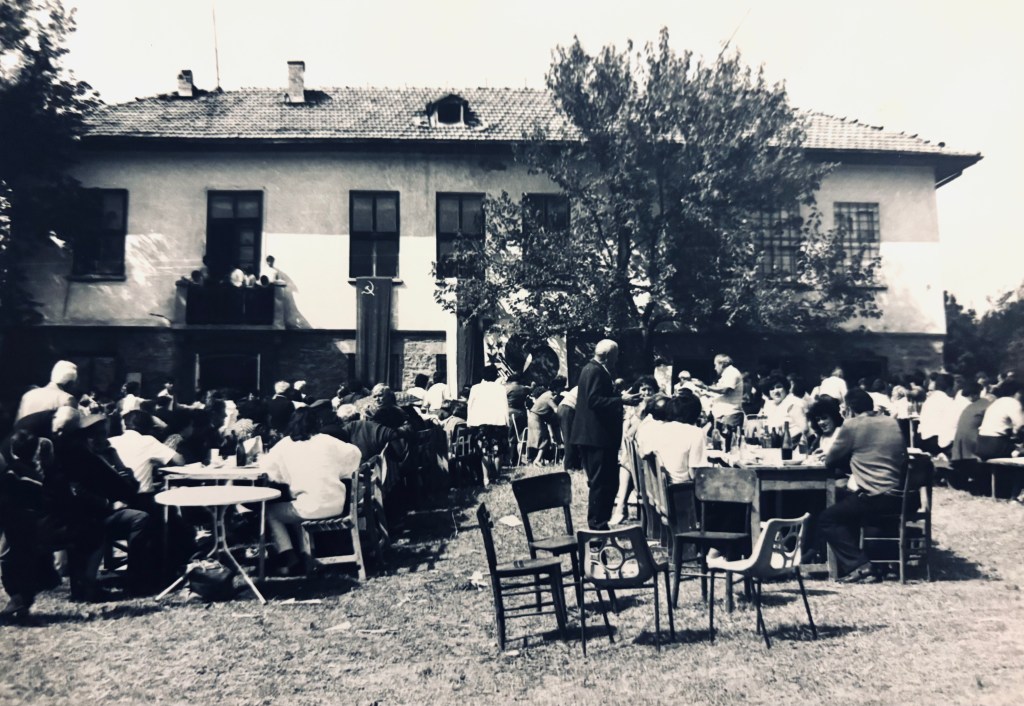
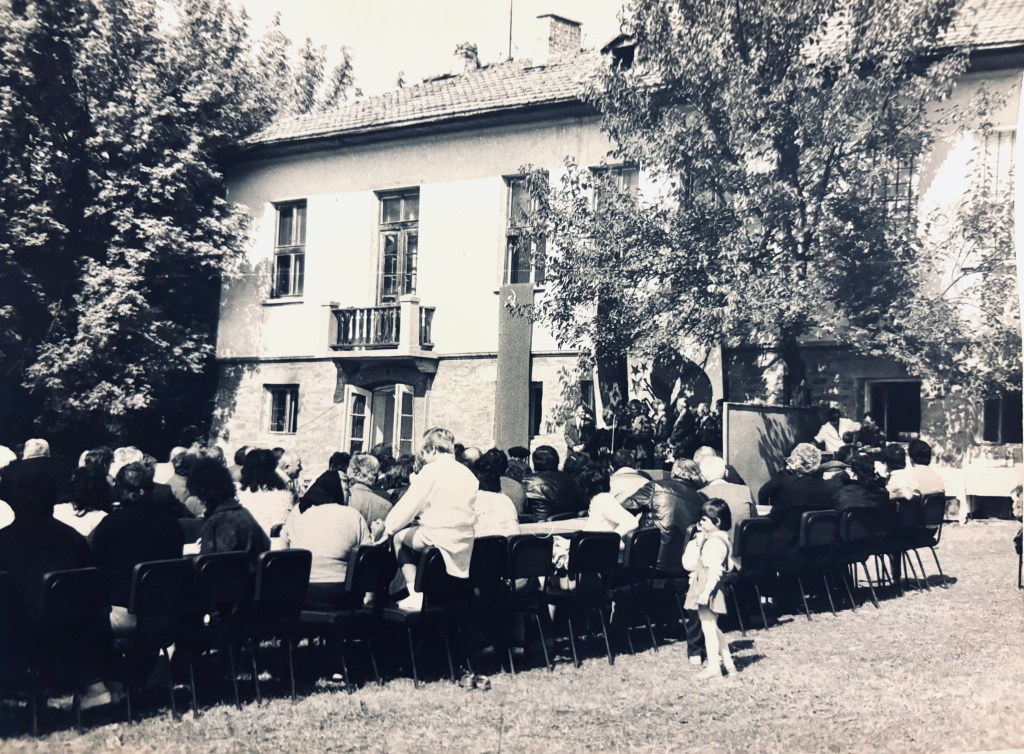
More than one hundred years ago, it served as the village schoolhouse of Devino. Children sat where diners now sit. Lessons were taught where wine is now poured. Conversations about arithmetic, history, and language once echoed through the same walls that now host conversations about food, wine, memory, and place.
When we first encountered the building, we did not see a restaurant. We saw continuity.
A Village That Most People Miss
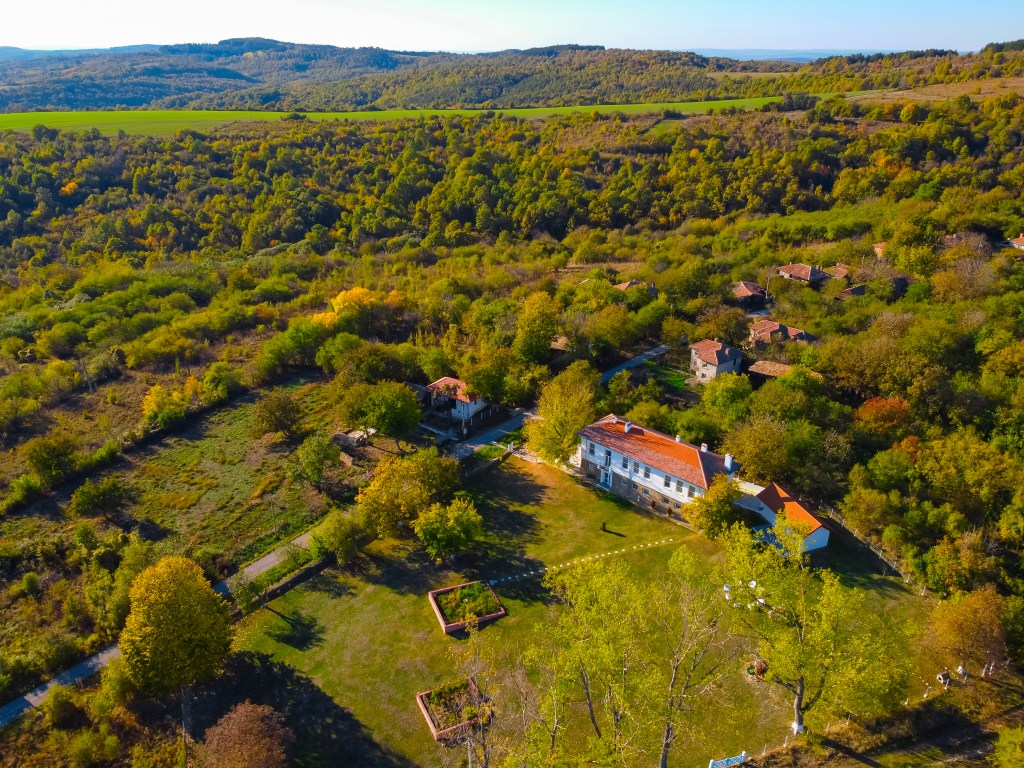
Devino is not a destination that appears on most international travel itineraries. It does not possess grand monuments. It does not attract tour buses. It does not compete for attention. In many ways, it represents the Bulgaria that exists beyond the guidebooks. Quiet. Rural. Unhurried. Authentic.
Its population is small. Its pace is gentle. Its silence is profound.
To some observers, these qualities might appear limiting. To us, they appeared liberating.
Modern hospitality often gravitates toward places where attention already exists. We chose a place where attention had to be earned. That decision changed everything.
Because when guests arrive in Devino, they are not arriving by accident. They arrive intentionally. The journey becomes part of the experience. The village becomes part of the story.
The Children Who Came Before
Every old school contains invisible layers of memory. You cannot see them. You cannot measure them. Yet they remain present.
Imagine the children who once entered this building during the early decades of the twentieth century. Many would have arrived on foot. Some from neighboring farms. Others from nearby homes. Their lives were radically different from ours. No internet. No smartphones. No social media. No modern conveniences. Yet their aspirations were familiar. They came seeking opportunity. Knowledge. Possibility. A future larger than their immediate surroundings.
Those children could never have imagined a fine-dining restaurant.
Nor could they have imagined guests arriving from distant countries to dine within these walls.
And yet there is something deeply fitting about the transformation. Education and hospitality share a common purpose. Both expand perspective. Both encourage curiosity. Both invite discovery. The building continues teaching. Only the subject matter has changed.
“These walls remember more than we ever will.”
Restoration Versus Reinvention
When old buildings are restored, owners often face a temptation. Erase the past. Modernize everything. Create something entirely new.
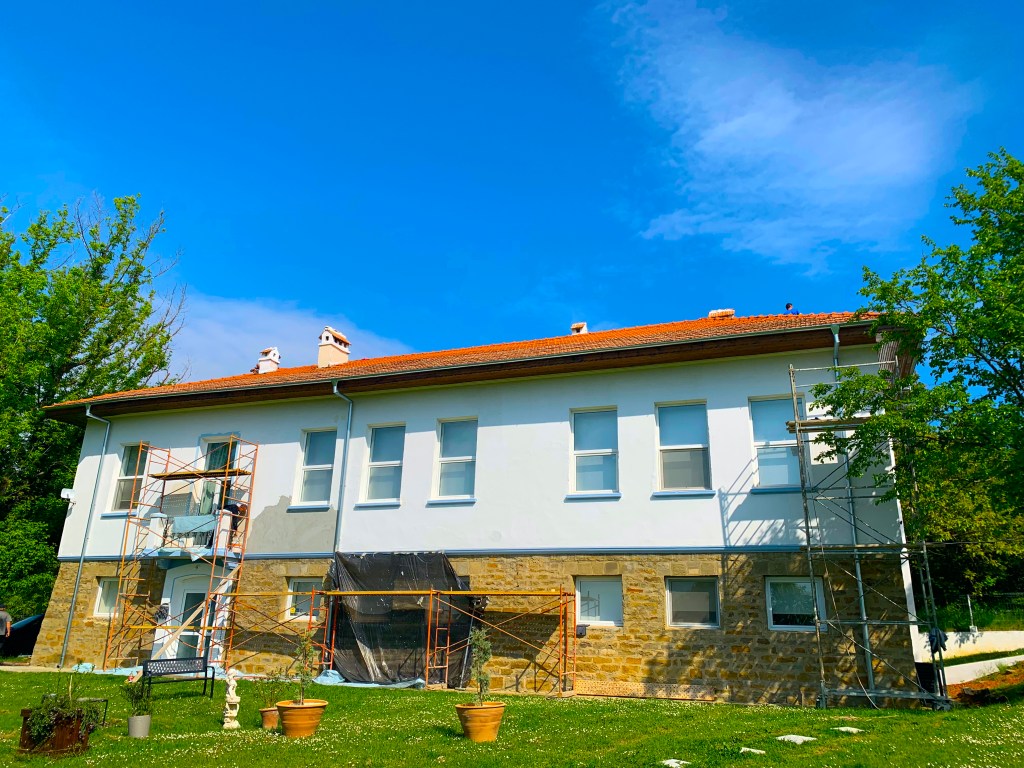
We resisted that impulse. The objective was never to erase history. The objective was to reveal it.
The schoolhouse already possessed character. It already possessed authenticity. It already possessed meaning. Our responsibility was not to replace those qualities. Our responsibility was to preserve them.
Every restoration decision was guided by a simple question: Does this respect the building?
Not: Does this look luxurious?
Not: Will this impress visitors?
Not: Will this photograph well?
Respect came first. Everything else followed. Because true luxury begins with authenticity.
And authenticity cannot be manufactured.
Why Place Matters
The modern hospitality industry sometimes treats location as logistics. Accessibility. Visibility. Foot traffic. Convenience.
We see location differently. Place shapes identity.
A restaurant in Paris becomes part of Paris. A restaurant in Tokyo becomes part of Tokyo. A restaurant in Devino must become part of Devino.
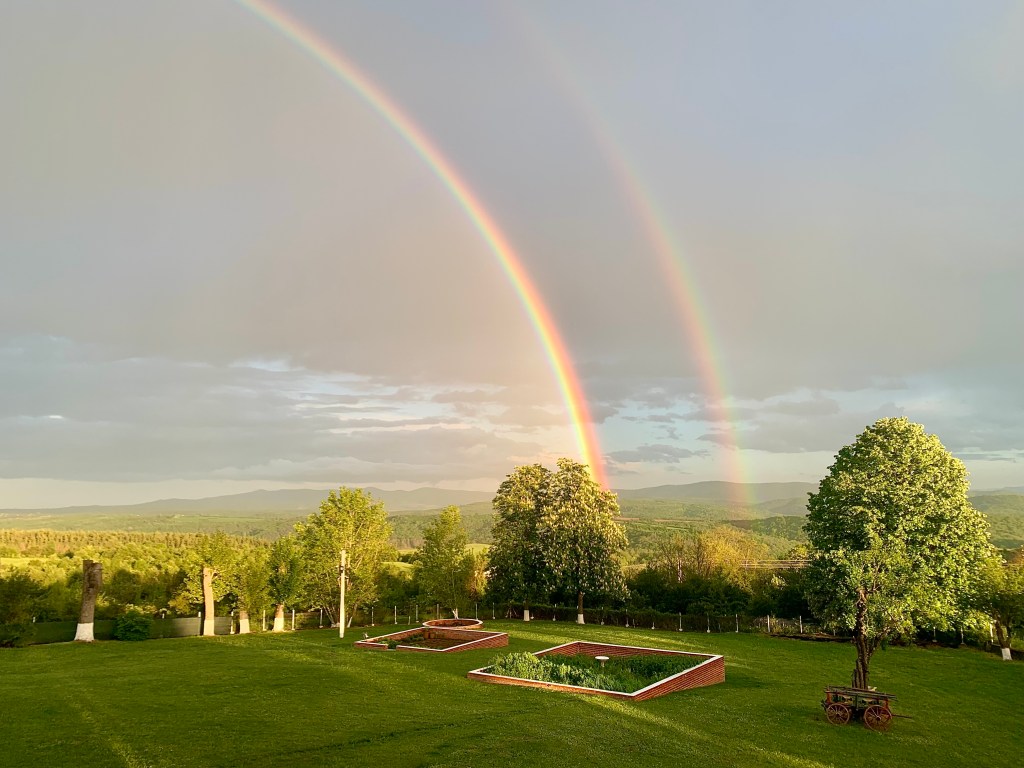
The landscape matters. The people matter. The climate matters. The silence matters. The isolation matters. The seasons matter. Even the limitations matter. Without Devino, Dieci would not be Dieci.
The restaurant’s philosophy emerged directly from the environment surrounding it. The village did not merely host the project. The village helped create it.
“Place is not background. Place is ingredient.”
The Babas and Dyados
Every village contains a living archive. In Devino, that archive exists within its people. The Babas and Dyados. The grandmothers and grandfathers. The elders who carry stories that never appear in books. Their knowledge is practical. Seasonal. Agricultural. Human.
They understand weather patterns. Planting rhythms. Preservation methods. Local ingredients. Village history.
Many of the insights that influence Dieci originate from conversations rather than research papers. A recipe. A technique. A memory. A story. A forgotten ingredient. A local tradition.
The Babas and Dyados have become accidental collaborators. Not because they work in the restaurant. Because they help preserve the cultural ecosystem surrounding it. Their knowledge connects past and present.
Food as Preservation
One of the great paradoxes of gastronomy is that innovation often depends on memory. The most interesting ideas rarely emerge from nowhere. They emerge from reinterpretation.
At Dieci, many contemporary techniques are applied to historical foundations.
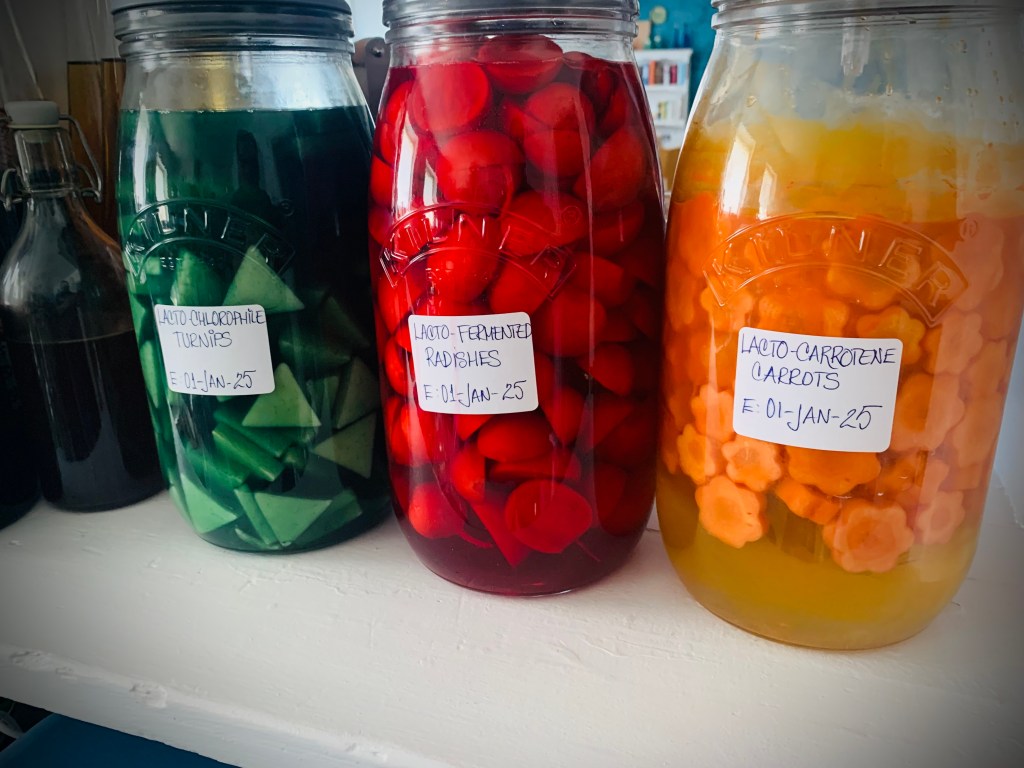
Fermentation.
Preservation.
Drying.
Curing.
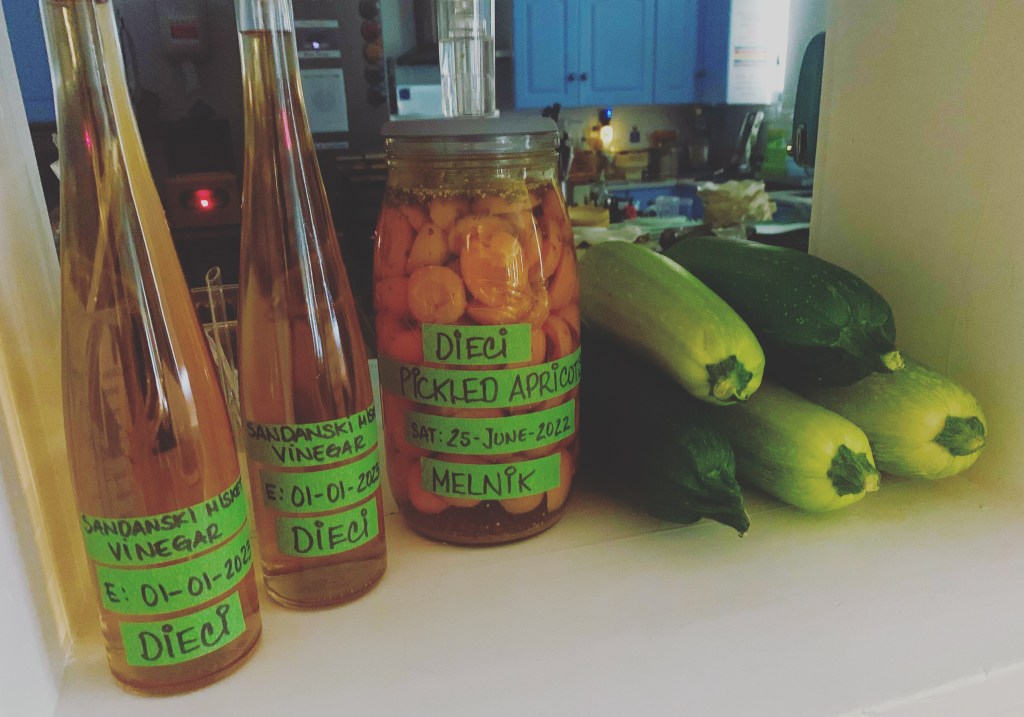
Pickling.
Seasonal planning.
These practices existed long before modern gastronomy. The restaurant simply approaches them through a contemporary lens. The Bulgarian tradition of zimnina provides a perfect example. For generations, families preserved food to survive winter. Today, we preserve ingredients to capture flavor at its peak.
The motivation has changed. The wisdom remains. The schoolhouse embodies the same principle. A historical structure serving a contemporary purpose.
The future often begins with remembering.”
Why Guests Come
At first glance, the existence of a destination restaurant in a tiny village seems improbable.
Why would guests travel so far? The answer is surprisingly simple. Meaning.
The modern world offers convenience everywhere. Meaning is rarer.
Guests travel because they seek experiences that feel genuine. Specific. Human. Rooted. Memorable.
They are not merely purchasing dinner. They are participating in a narrative. The schoolhouse matters. The village matters. The producers matter. The wines matter. The journey matters.
The combination creates something impossible to replicate elsewhere. And replication is increasingly common. Authenticity remains rare.
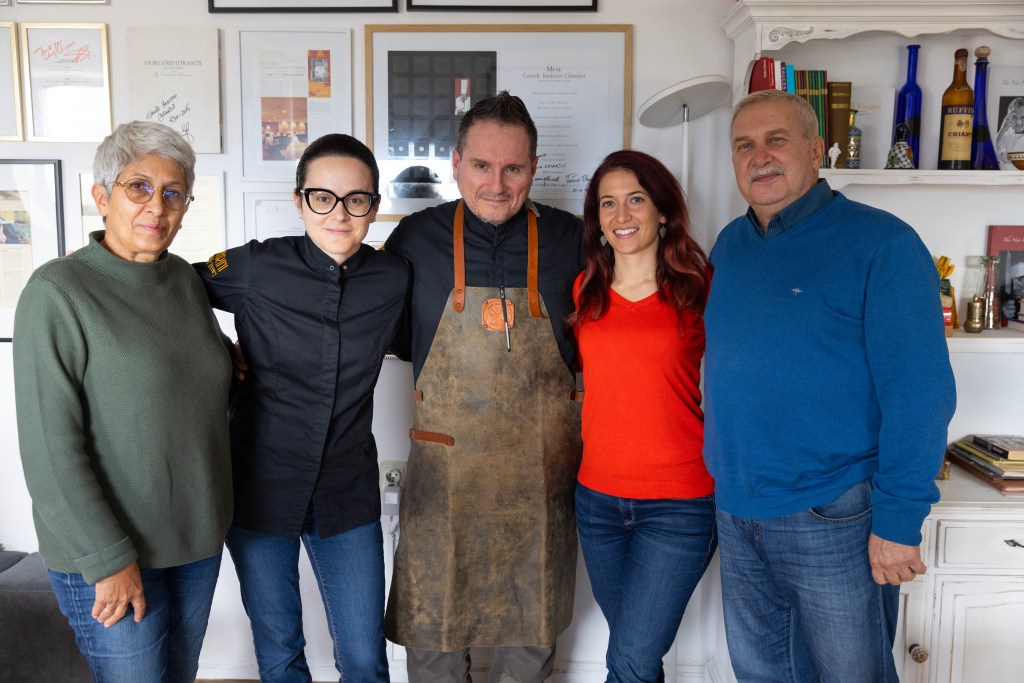
“Some journeys are measured in meaning rather than distance.”
One Hundred Years From Now
No building lasts forever. Eventually every structure faces the same reality. Time wins.
But before that happens, buildings can accumulate remarkable lives. This schoolhouse has already lived several. Educational institution. Village gathering place. Historical landmark. Restaurant.
What comes next? We do not know. Nor should we. The future belongs to future generations.
Our responsibility is simply to care for the building during the chapter entrusted to us. To add value rather than extract it. To preserve rather than diminish. To contribute rather than consume.
If someone enters this building one hundred years from now, we hope they feel what we felt when we first discovered it. Potential. Character. Possibility.
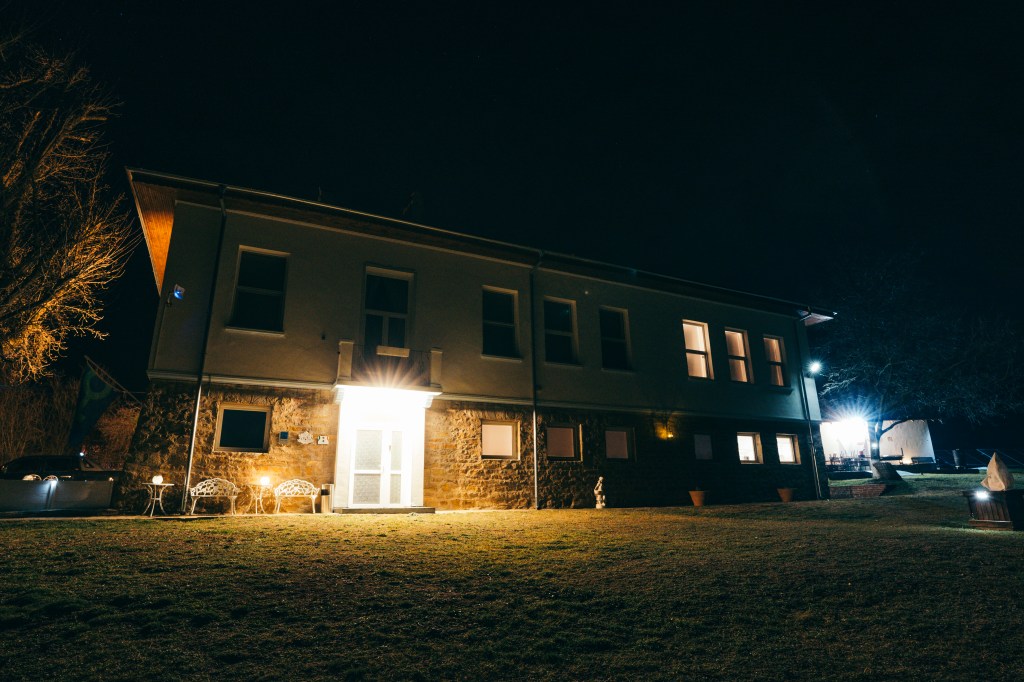
“Every generation becomes a temporary steward.”
The Legacy We Hope To Leave
Restaurants often think about legacy in terms of awards. Recognition. Rankings. Prestige.
These things may have value. But they are temporary.
A deeper legacy exists. A restored building. A preserved tradition. A supported producer. A remembered village. A protected landscape. A guest who leaves understanding Bulgaria differently than they did before arriving.
These contributions endure. The schoolhouse taught children for decades. Today it teaches guests. Not through lectures. Through hospitality. Through food. Through wine. Through place. Through memory.
One hundred years later, the building continues fulfilling its original purpose. Helping people understand the world a little more deeply. That may be the most beautiful form of continuity imaginable.
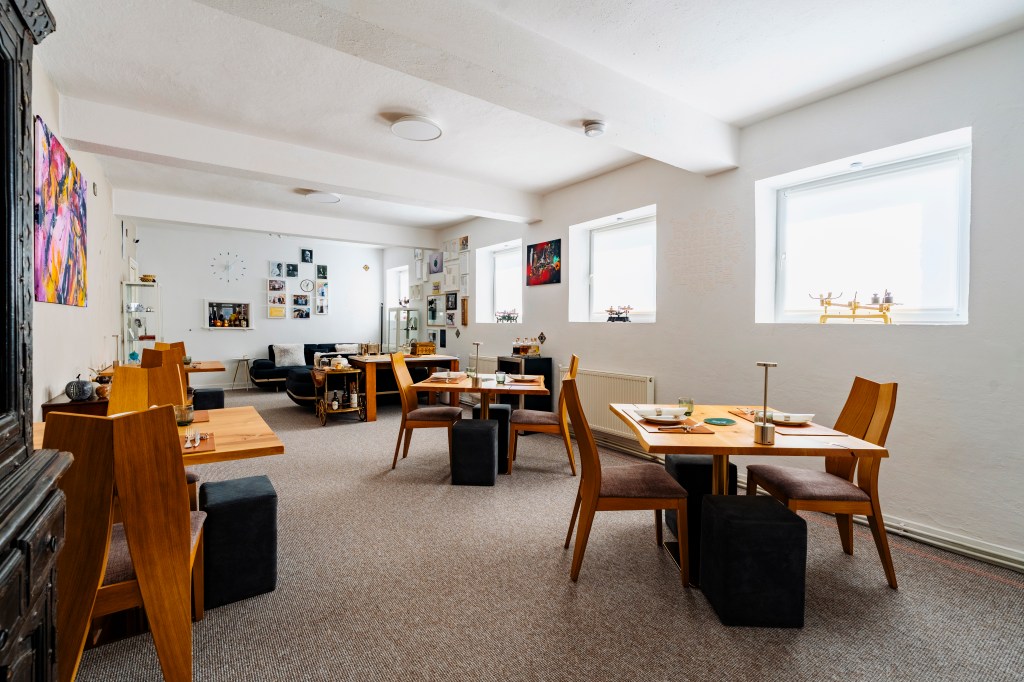
“The lesson continues tomorrow.”


Leave a Reply