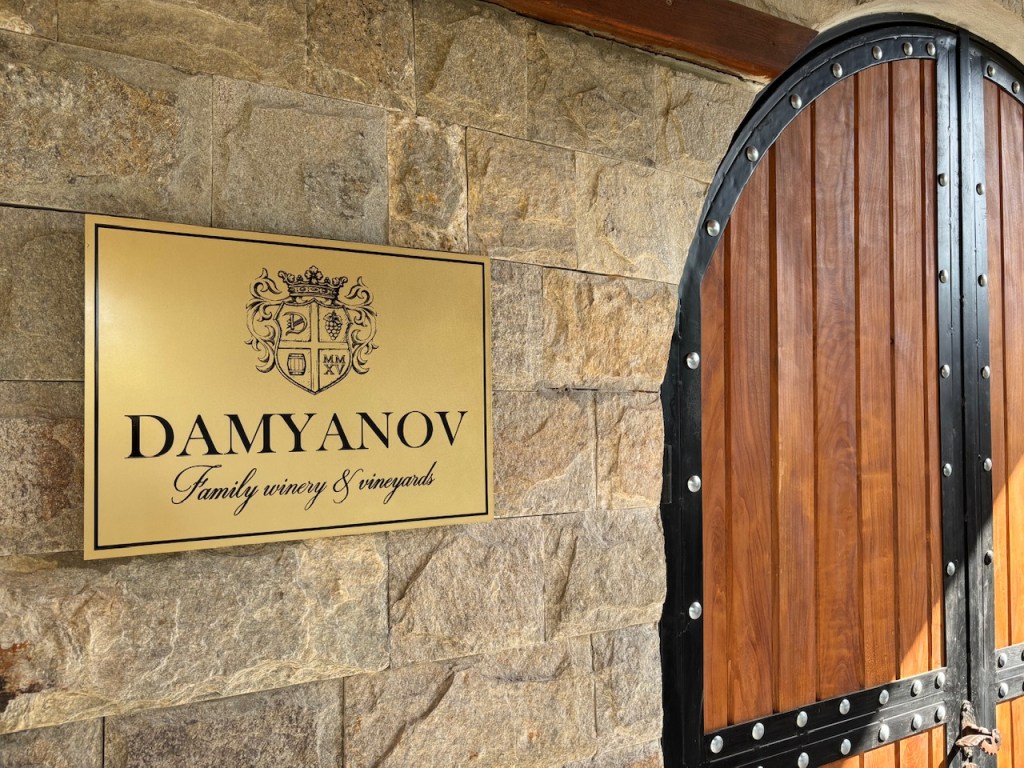
Every year at Dieci Boutique Restaurant, we taste wines from across Bulgaria. Some are technically impressive. Some arrive with medals, scores, and recognition. Others come with carefully crafted marketing stories. What captures our attention, however, is rarely any of those things.
We are drawn to producers whose work reflects the same values that shape our restaurant: patience, respect for nature, attention to detail, and an understanding that excellence is usually the result of hundreds of small decisions repeated consistently over time.
The first time we encountered the wines of Damyanov Winery, that connection was immediately apparent.
Not because the wines were trying to impress us.
Because they weren’t.
The wines felt grounded. They felt honest. They seemed more interested in expressing where they came from than competing with somewhere else. In a world where many wineries still measure themselves against international benchmarks, that confidence stood out.
And it led us to Strumyani.
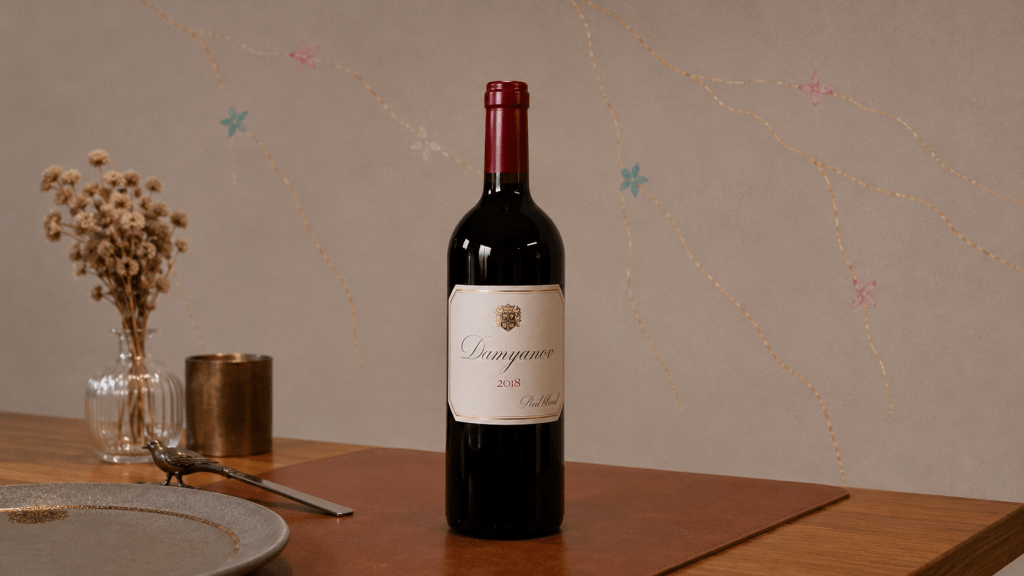
“Some partnerships begin with shared values.”
A Valley With Deep Roots
The Struma River Valley is one of the oldest wine-growing regions on the Balkan Peninsula. Stretching through southwestern Bulgaria, it has been producing wine for centuries, shaped by a combination of Mediterranean influence, limestone soils, mountain air, and a climate uniquely suited to viticulture.
This is where Damyanov Winery was born.
Located in the village of Strumyani, at approximately 350 meters above sea level, the winery works with vineyards planted on predominantly limestone soils with some clay, most of them facing south toward the sun.
The conditions create a distinctive micro-terroir that reveals itself differently in every variety grown there, whether international grapes such as Merlot and Cabernet Sauvignon or local varieties deeply connected to the valley itself.
At Dieci, we often speak about place. Not because it is fashionable, but because place remains one of the few things that cannot be copied. You can replicate a recipe. You can imitate a technique. You can purchase the same equipment. But you cannot reproduce a landscape.
The wines of Damyanov remind us of that truth.
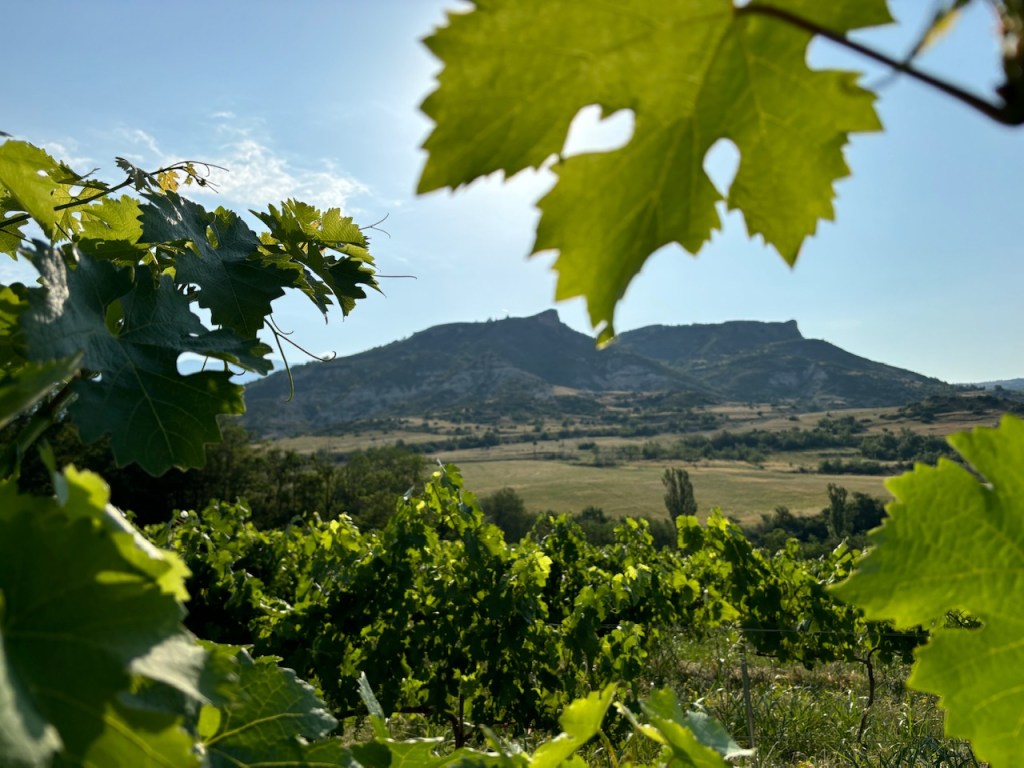
The landscape behind every bottle.”
Three Generations
Wine and vineyards have been part of the Damyanov family story for generations.
The story begins with Prokop Marinkov, a participant in the Second World War who returned home and established vineyards after the war. The responsibility later passed to his son-in-law, Yanush Damyanov, a respected school director, public figure, and honorary citizen of Strumyani Municipality. Today, Vladimir Damyanov and his family continue the work, cultivating the vineyards and operating the family winery.
What resonates with us is not simply the continuity itself.
It is the commitment required to maintain it.
People often speak about heritage as though it is automatically passed from one generation to another. Vineyards teach a different lesson. Heritage survives only when somebody chooses to continue caring for it. Every generation must decide whether the work is worth carrying forward.
The Damyanov family made that decision repeatedly.
And because they did, the story continues.
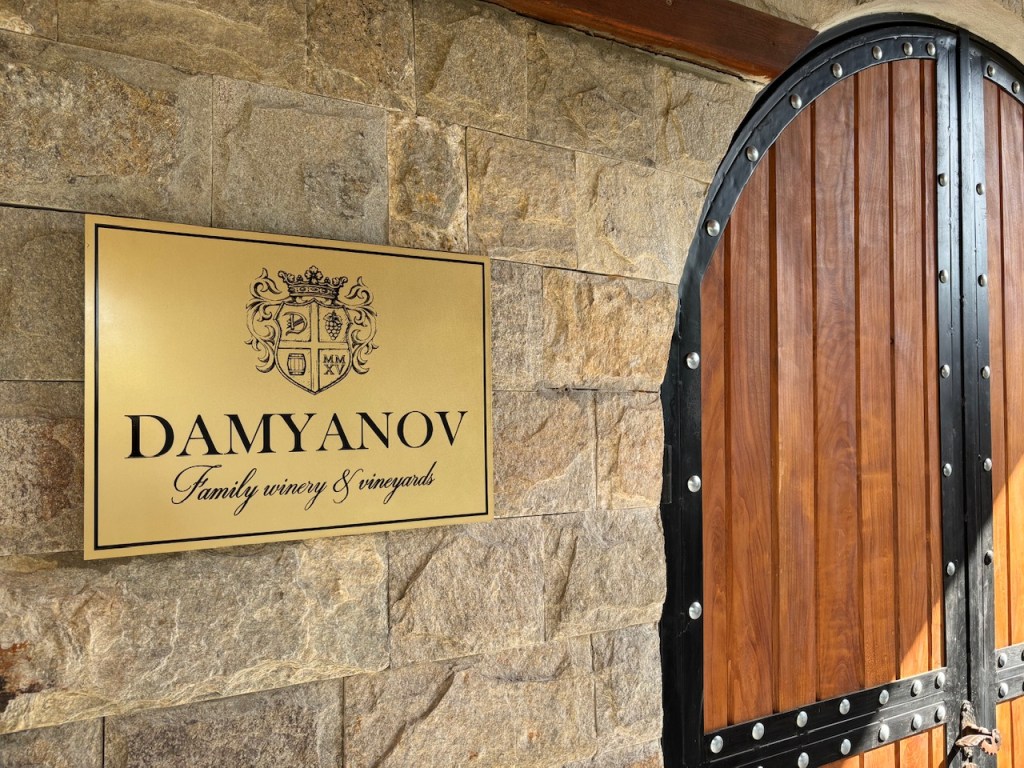
“Heritage survives through people.”
Less Is More
The modern world rewards scale.
Larger vineyards.
Larger harvests.
Greater efficiency.
Greater production.
Damyanov has deliberately chosen another direction.
The family practices natural farming and relies heavily on manual labor. Their vineyards, many of them between fifty and sixty years old, receive individual attention throughout the season. Quality comes before quantity. The vineyard dictates the rhythm rather than the market.
This philosophy is summarized by a simple principle that appears repeatedly in conversations with the family:
Less is more.
Less intervention in the vineyard.
Less intervention in the cellar.
Less manipulation of the final wine.
At Dieci, this approach feels familiar. Much of our cooking follows the same logic. The objective is not to demonstrate how much can be done to an ingredient. The objective is to reveal what was already there.
Whether in a vineyard or in a kitchen, restraint requires confidence.
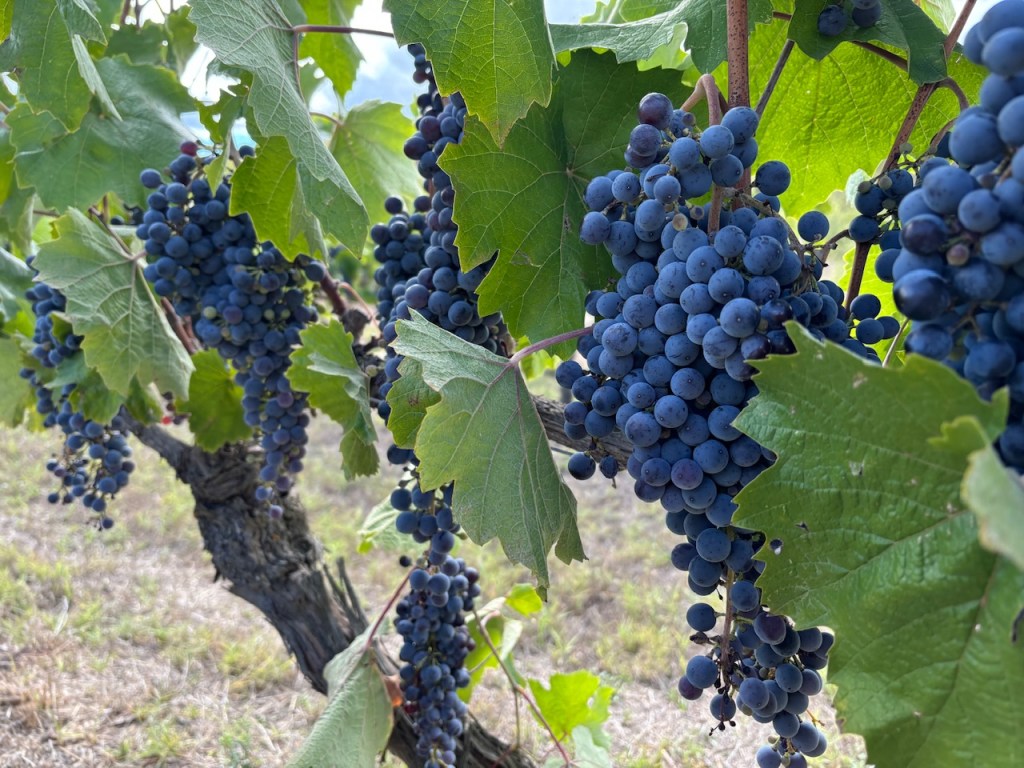
“The vineyard sets the pace.”
Broad-Leaved Melnik
Every producer has something that defines them.
For Damyanov Winery, that identity is inseparable from Broad-Leaved Melnik Vine.
Ancient, indigenous, and found only in the Struma Valley, this variety occupies a unique place in Bulgarian wine culture. Attempts to cultivate it successfully outside the region have repeatedly failed. It belongs to this landscape in a way few grape varieties belong to any place.
The grape is challenging.
It ripens late, often reaching full maturity in October or even November. It requires patience and introduces risk, particularly as weather patterns become increasingly unpredictable. Yet the Damyanov family views those challenges not as obstacles but as part of the grape’s identity.
Their commitment goes beyond production.
They see Broad-Leaved Melnik as one of the varieties most capable of representing Bulgarian wine internationally. It is not difficult to understand why. The wines possess elegance, freshness, remarkable aging potential, and a personality that cannot be mistaken for anything else.
At Dieci, where we constantly search for ingredients and products that speak clearly of their origin, Broad-Leaved Melnik feels especially important. It is not simply a wine.
It is a story that could only have come from one place.
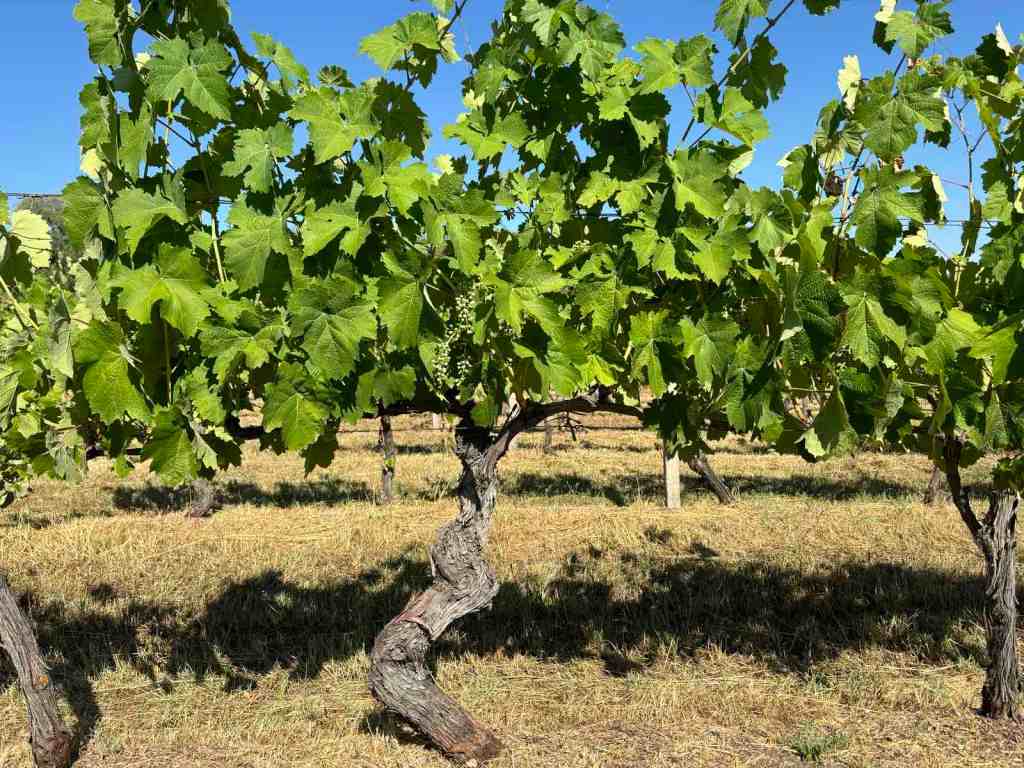
“A grape inseparable from its landscape.”
Beyond Comparison
One of the most refreshing aspects of Damyanov Winery is that it refuses to chase imitation.
Their Merlot does not aspire to become Bordeaux.
Their Cabernet Sauvignon is not trying to reproduce another region.
Instead, the family uses these international varieties to express the character of their own micro-region, often blending them alongside local grapes to create wines that are distinctly Bulgarian while remaining internationally understandable.
This approach mirrors something we believe strongly at Dieci.
The future of Bulgarian gastronomy will not be built by becoming a copy of somewhere else. It will be built by understanding what already exists here and presenting it with confidence.
Damyanov understands this.
The wines do not ask permission to be Bulgarian.
They simply are.
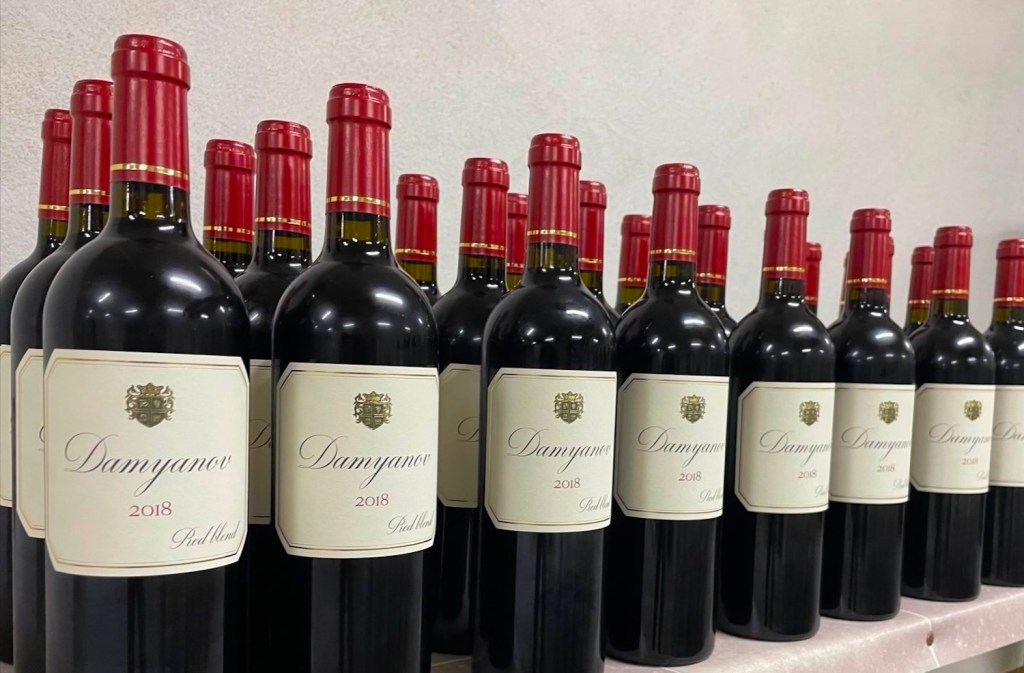
“Expression over imitation.”
At The Table
A partnership between a winery and a restaurant should be about more than logistics.
It should be about alignment.
When Anna Chiarini selects wines for our pairings, she is not simply looking for technical quality. She is looking for producers whose values complement the experience we want guests to have.
Damyanov fits naturally into that ecosystem.
The wines possess freshness and structure that allow them to accompany food without overwhelming it. More importantly, they carry a sense of place and authenticity that reflects the broader philosophy of Dieci. They are the result of patience, observation, and respect for nature—qualities we strive to honor every day in our own work.
When guests encounter Damyanov wines in the dining room, they are not simply tasting a bottle.
They are tasting a family story.
A valley.
A landscape.
A tradition that continues because people still believe it matters.
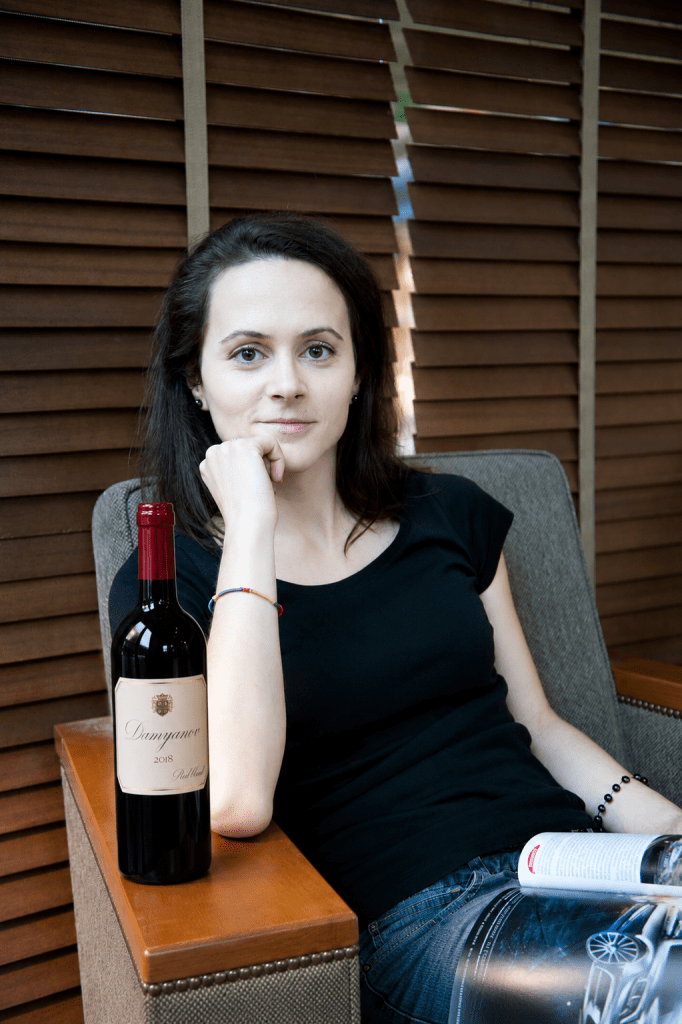
“The meeting point between vineyard and table.”
Looking Forward
There is a famous story that Winston Churchill received hundreds of liters of Melnik wine every year in London.
Whether remembered as history or legend, it reminds us that the wines of the Struma Valley have long been appreciated beyond Bulgaria’s borders.
Today, families like the Damyanov’s continue writing the next chapter.
Not by preserving the past unchanged.
Not by chasing trends.
But by carrying forward a tradition while remaining open to the future.
That balance may be the most impressive achievement of all.
At Dieci, we are proud to share their wines with our guests, not simply because they are excellent, but because they represent something we value deeply: the belief that the future becomes more meaningful when it remains connected to its roots.


Leave a Reply