Category: Culinary Philosophy
-

Why replacing an Executive Chef cannot repair an operation that refuses to change There is a familiar pattern in the hospitality industry. A restaurant, hotel, resort or hospitality group begins to struggle operationally. Food costs are higher than expected, consistency deteriorates, staff turnover increases, purchasing becomes problematic, communication between departments weakens, guest complaints appear, and…
-
From Milan to Bulgaria: Chef Gianfranco Chiarini is formally welcomed into the Associazione Italiana Ambasciatori del Gusto, alongside some of the most celebrated names in contemporary Italian cuisine. Some distinctions recognize a restaurant. Others recognize a dish, a season, or a particular moment in a career. And then there are recognitions that come directly from…
-
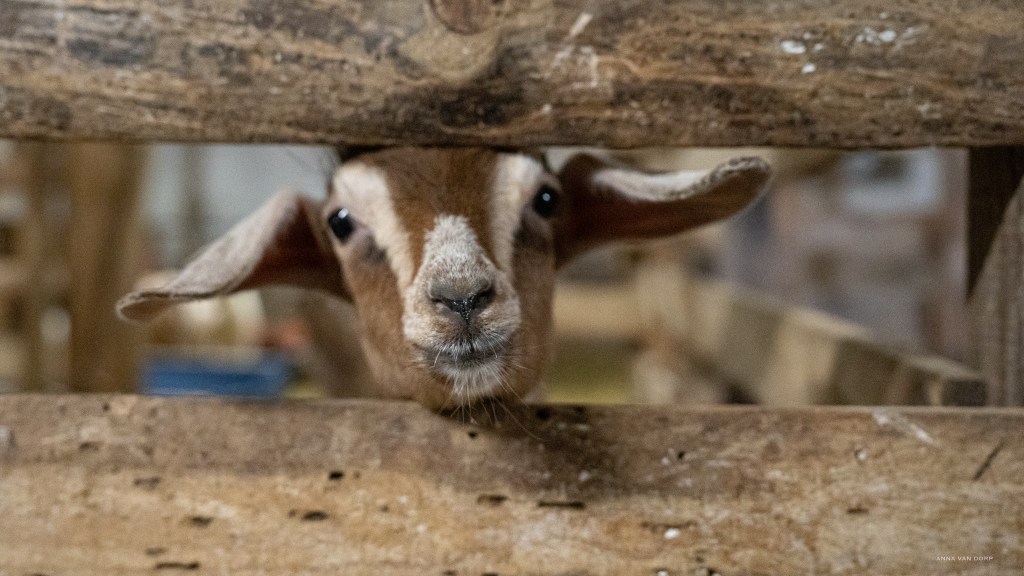
By Dieci Boutique Restaurant. Guardians of the Organic Dairy Tradition There are ingredients that arrive in a kitchen as products. And there are ingredients that arrive as memory. The cheeses from Q-Bratsko belong to the second category. In the town of Kubrat, in the Razgrad province of Northern Bulgaria, Ферма КуБратско — Ku-Bratsko Farm —…
-

Ancient Techniques in Contemporary Gastronomy The future of gastronomy increasingly resembles its origins. Fire.Smoke.Fermentation.Preservation.Ash. Techniques humanity developed thousands of years ago are returning to contemporary kitchens because they contain something industrial modernity often lost: depth created through patience. At Dieci Boutique Restaurant, ancient methods coexist with modern precision. Fermentation introduces time into flavor. Smoke introduces…
-
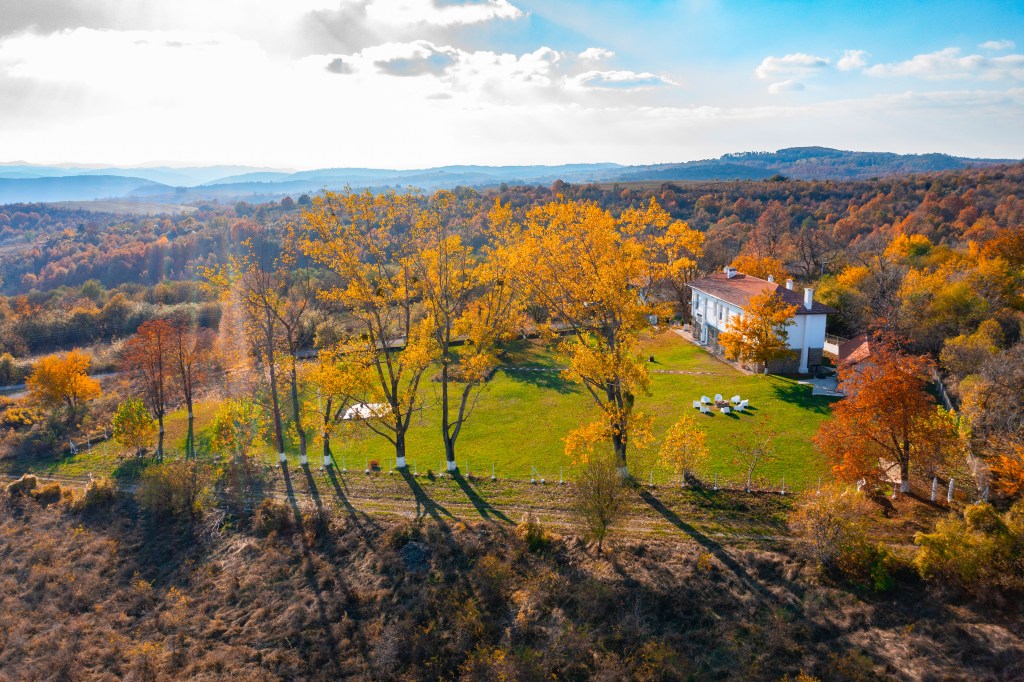
Places Where Food Still Belongs to the Land Europe’s culinary future may emerge from places many travelers still overlook. Not capitals.Not luxury districts.Not gastronomic corridors built entirely around tourism. But villages. Places where agriculture still shapes rhythm. Where ingredients still belong to local climate. Where silence still exists naturally. Where hospitality remains connected to land…
-

The End of Excess and the Return of Responsibility Luxury hospitality is entering a period of contradiction. For years, refinement was associated with abundance: imported products, excessive energy consumption, unnecessary waste, visual opulence. But contemporary gastronomy increasingly understands something uncomfortable: Excess is no longer sophisticated. The future of fine dining may depend not on what…
-
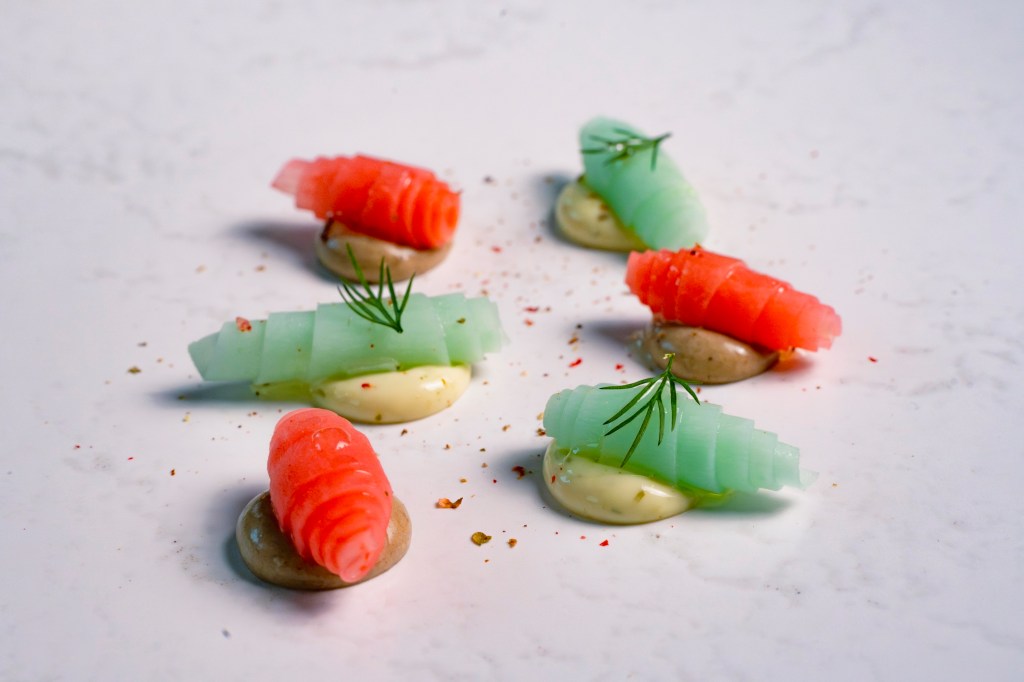
Why a New Culinary Identity Is Emerging from Silence For decades, Eastern European gastronomy remained largely invisible within the global conversation surrounding fine dining. Not absent.Invisible. Many regional culinary traditions survived quietly, protected inside villages, homes, mountains, forests, monasteries, and seasonal rituals that modern gastronomy often overlooked in favor of spectacle and metropolitan visibility. But…
-

The future of gastronomy increasingly resembles the past. Fire. Smoke. Fermentation. Clay. Preservation. Ash. Natural materials. Many contemporary restaurants are rediscovering ancient principles because those ideas were never obsolete. They were simply forgotten during industrialization. At Dieci Boutique Restaurant, modern gastronomy coexists with primitive forms of transformation. Fire remains central. Natural textures remain visible. Materials…

