• Why Excellence Must Remain Invisible

    The highest forms of excellence are often invisible to the guest.

    Preparation. Calibration. Timing. Cleaning. Temperature control. Communication. Repetition.

    Thousands of small disciplines exist behind every refined service.

    Yet when performed correctly, none of them announce themselves.

    This invisibility is important.

    Luxury should never feel forced.

    The guest should experience ease, not effort.

    Recognition from institutions such as La Liste, Bacchus, Green Key International, and the Sustainable Restaurant Association is deeply meaningful.

    But the real work continues far away from distinctions.

    Inside kitchens. Before service. Late at night. Early in the morning. In the quiet repetition of standards that guests may never fully see.

    That invisible discipline is where excellence truly lives.

  • What Tradition Protects

    Modern gastronomy often celebrates innovation.

    But innovation without memory becomes fragile.

    Tradition exists to protect the disciplines that time has already tested.

    Hospitality, ritual, service, ceremony, respect for the guest.

    These ideas remain essential because they create continuity between generations of dining culture.

    Inclusion within the Chaîne des Rôtisseurs represents more than recognition.

    It represents participation in a lineage.

    A reminder that restaurants are not isolated creations. They belong to a larger cultural conversation shaped over centuries.

    At its best, fine dining preserves knowledge while allowing interpretation.

    The objective is not to imitate the past.

    It is to carry forward its standards with intelligence and relevance.

  • Recognition and the Weight of Standards

    Recognition within gastronomy is often perceived as celebration.

    But inside a serious restaurant, recognition changes very little.

    The work continues.

    The same preparations. The same discipline. The same pursuit of consistency repeated service after service.

    Being named Best Restaurant of Bulgaria by Bacchus carries significance not because of prestige alone, but because it reflects years of accumulated standards.

    Standards that guests may never fully see.

    The calibration before service. The refinement behind a menu. The correction of details invisible to most people. The refusal to compromise even when compromise would be easier.

    Excellence is rarely dramatic from the inside.

    It is built quietly through repetition, pressure, and restraint.

    At Dieci Boutique Restaurant, recognition is never treated as an endpoint.

    It is treated as responsibility.

    Because the moment a restaurant begins protecting its reputation more than its standards, decline has already begun.

  • Sustainability Beyond Appearance

    Sustainability has become a fashionable word within hospitality.

    But sustainability without discipline quickly becomes performance.

    At its highest level, sustainability is not branding. It is operational philosophy.

    It influences sourcing. Energy. Waste. Seasonality. Procurement. Preservation. Relationships with producers. And the invisible decisions repeated every day behind the dining room.

    Being recognized by Green Key International and the Sustainable Restaurant Association is meaningful not because of visibility, but because these distinctions acknowledge rigor.

    At Dieci Boutique Restaurant; Real sustainability is rarely dramatic.

    It exists in systems. In restraint. In thoughtful use of resources. In understanding that luxury and responsibility should never oppose one another.

    The future of fine dining will not be defined by excess.

    It will be defined by intelligence.

  • Recognition Is Responsibility

    Awards are often misunderstood as conclusions.

    In reality, they are obligations.

    Recognition does not simplify the work. It deepens responsibility.

    To be included among the world’s leading restaurants through La Liste is not only a reflection of excellence, but of consistency maintained over time.

    Consistency is the most difficult discipline in gastronomy.

    Not a single exceptional service. Not a single memorable dish. But the ability to preserve precision through repetition, pressure, fatigue, unpredictability, and change.

    At Dieci Boutique Restaurant, recognition is never treated as decoration.

    It is treated as a reminder: that refinement must continue evolving, that standards must remain uncompromised, and that true craftsmanship is measured quietly, service after service.

    Prestige may attract attention. But discipline sustains meaning.

  • What Makes a Dish Memorable

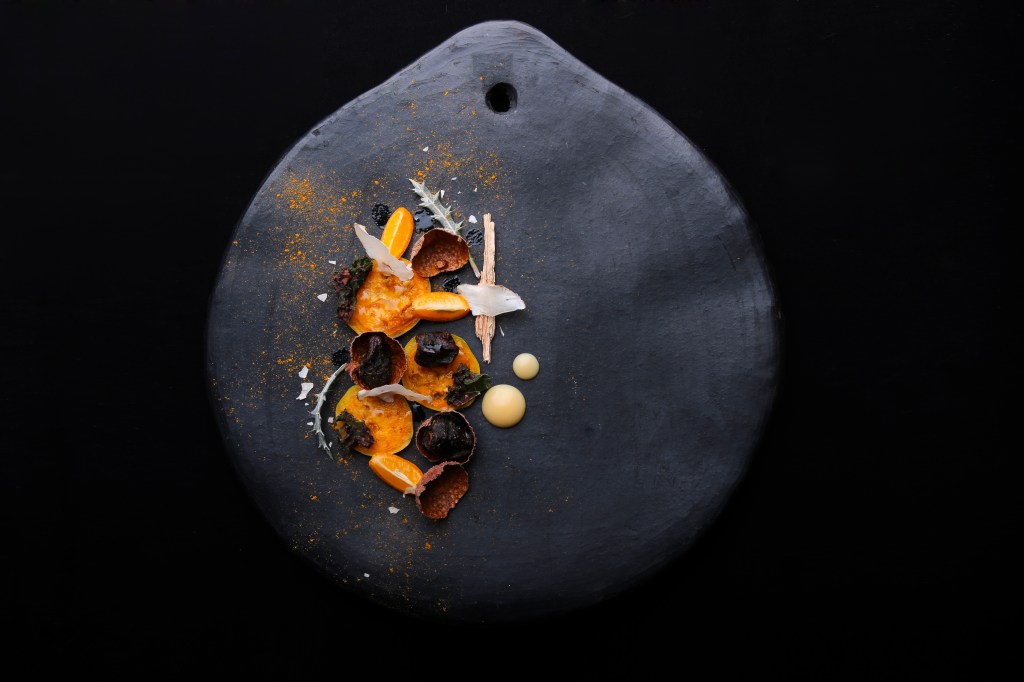
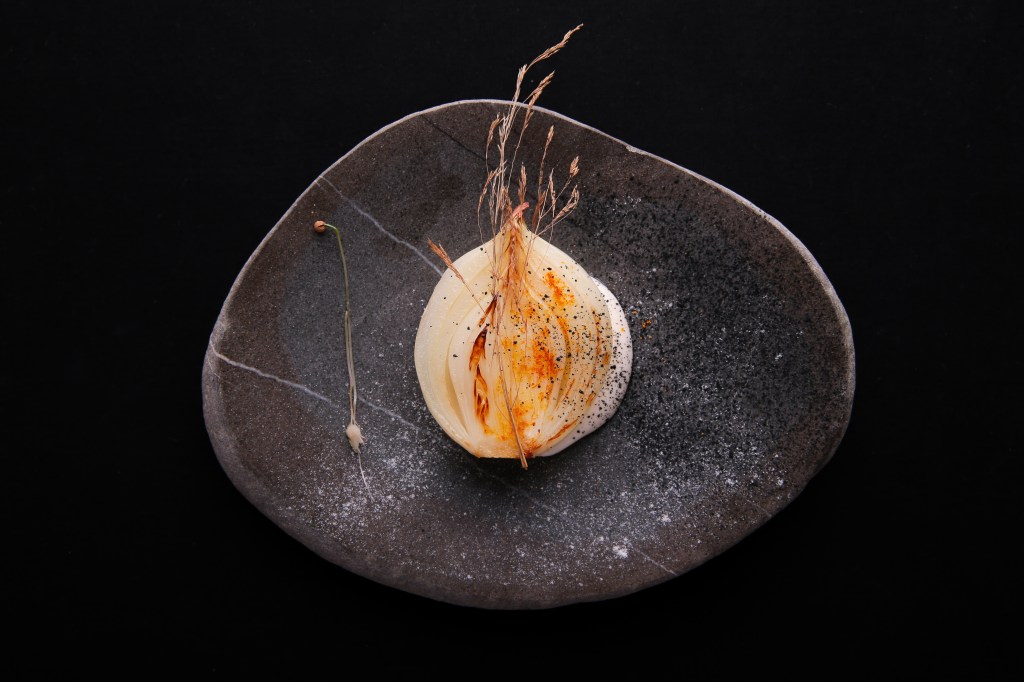
    Not every beautiful dish is memorable.

    Memory is created through emotional clarity.

    The dishes that remain with us are usually the simplest to understand.

    Not simple in execution. Simple in intention.

    A memorable dish communicates something immediately.

    Warmth. Nostalgia. Tension. Freshness. Depth. Precision.

    When too many ideas compete on the same plate, meaning disappears.

    Refinement is often the process of removing ideas until only one remains.

    This is why editing is one of the highest forms of craftsmanship.

    The guest should never feel the struggle behind the dish.

    Only its inevitability.

  • Hospitality Begins Before the First Course

    Hospitality does not begin when the plate arrives.

    It begins the moment a guest enters a space.

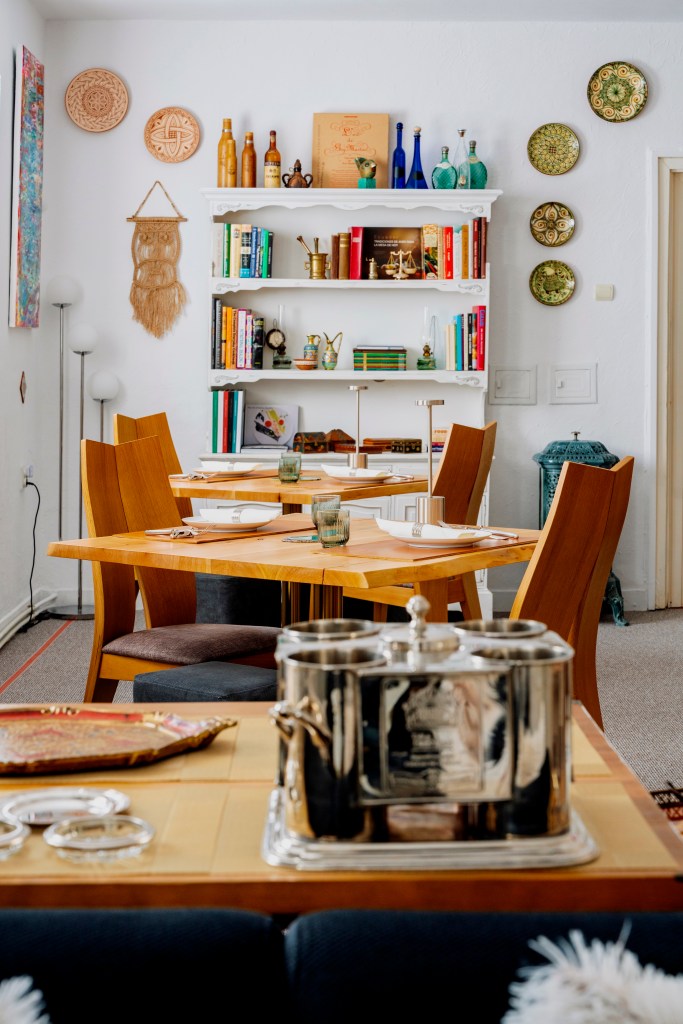
    Light. Sound. Pacing. Eye contact. The distance between tables. The rhythm of service.

    All of these details shape emotion before food is ever tasted.

    Restaurants often focus obsessively on cuisine while underestimating atmosphere.

    But guests rarely separate the two.

    A memorable dining experience is built through accumulation.

    Small gestures. Subtle observations. Care that feels natural rather than performed.

    At Dieci Boutique Restaurant, Luxury is not excess.

    At Dieci Boutique Restaurant, Luxury is attention.

  • The Architecture of a Tasting Menu

    A tasting menu is not a collection of plates.

    It is a sequence.

    Its success depends less on individual dishes and more on rhythm.

    Intensity must rise and fall naturally. Temperature, acidity, texture, and richness must evolve with intention.

    Too much repetition creates fatigue. Too much contrast creates confusion.

    A well-constructed menu guides the guest without announcing itself.

    The experience should feel inevitable.

    This is why editing matters.

    Sometimes the strongest dish is removed because it interrupts balance. Sometimes simplicity is chosen over complexity because clarity sustains the progression more effectively.

    In the end, the guest remembers emotion more than technique.

    And emotion depends on structure.

  • Why Seasonality Is a Form of Respect

    Seasonality is often discussed as flavor.

    But before flavor, it is respect.

    Respect for climate. Respect for timing. Respect for the natural rhythm that exists independently from the demands of restaurants.

    Ingredients reveal themselves differently depending on when they are harvested, transported, handled, and served.

    Cooking begins by recognizing those conditions rather than fighting them.

    The role of the chef is not to dominate an ingredient. It is to understand its moment.

    Some products ask for intensity. Others ask for restraint.

    A dish becomes more honest when it reflects the season it belongs to.

    Not because seasonality is fashionable, but because authenticity cannot exist outside of context.

  • The Silence Required for Precision

    In professional kitchens, noise is often mistaken for intensity.

    But true precision is usually quiet.

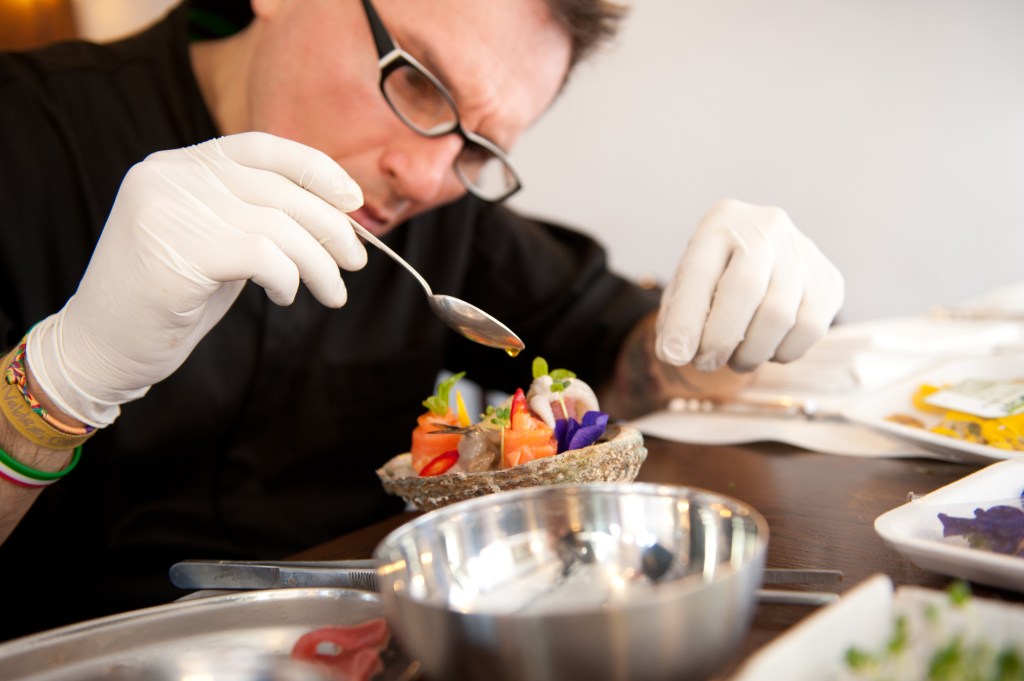
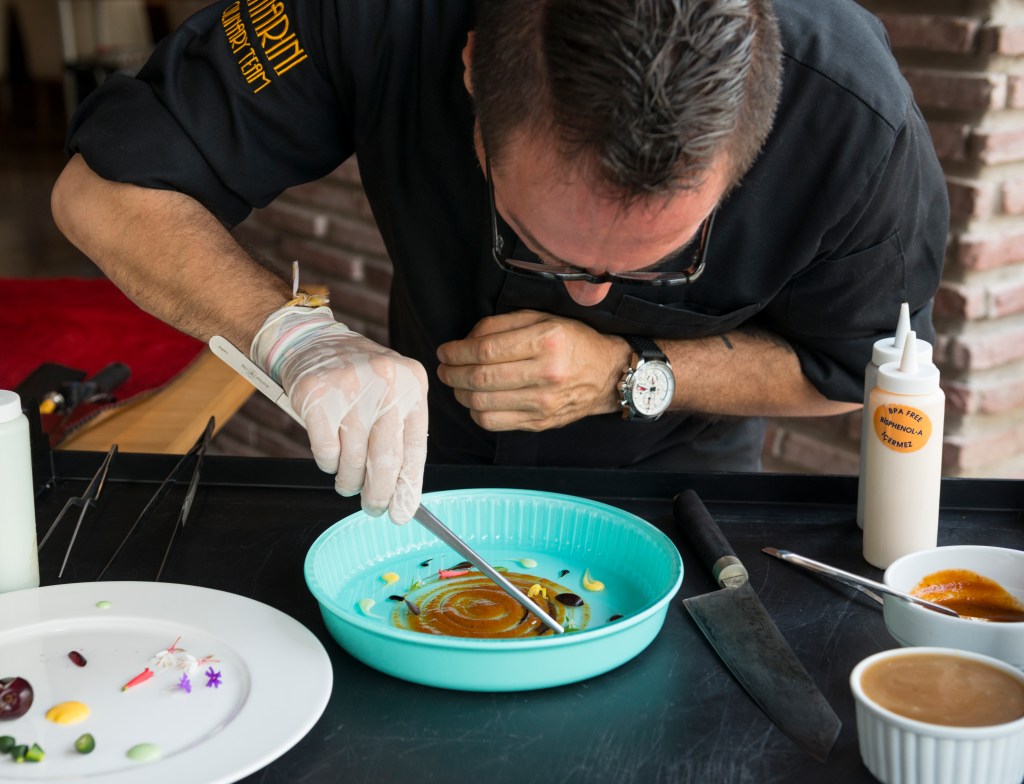
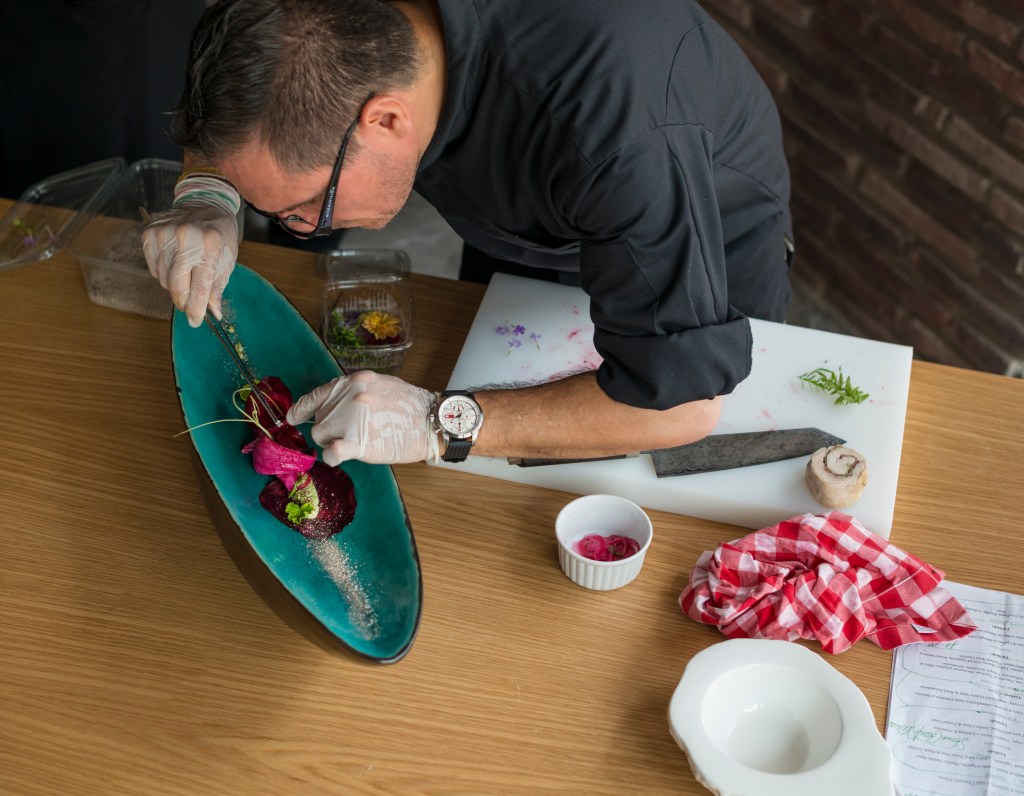
    The best cooks move without spectacle. Their discipline is invisible. Their gestures are economical. Their focus is uninterrupted.

    A refined plate is not created through excess movement, but through elimination.

    Every unnecessary motion introduces instability. Every distraction weakens intention.

    Over time, craftsmanship becomes a form of silence.

    Not because there is nothing to say, but because repetition has already said everything.

    At Dieci, refinement begins long before service. It begins in preparation. In restraint. In the ability to repeat the same action with consistency long after inspiration disappears.

    Technique matters. But composure matters more.