Category: Hospitality
Service culture, guest experience, elegance.
-

Why replacing an Executive Chef cannot repair an operation that refuses to change There is a familiar pattern in the hospitality industry. A restaurant, hotel, resort or hospitality group begins to struggle operationally. Food costs are higher than expected, consistency deteriorates, staff turnover increases, purchasing becomes problematic, communication between departments weakens, guest complaints appear, and…
-
From Milan to Bulgaria: Chef Gianfranco Chiarini is formally welcomed into the Associazione Italiana Ambasciatori del Gusto, alongside some of the most celebrated names in contemporary Italian cuisine. Some distinctions recognize a restaurant. Others recognize a dish, a season, or a particular moment in a career. And then there are recognitions that come directly from…
-

How Dieci Boutique Restaurant Turns Plastic Waste into Buildings, 3D-Printed Hospitality Objects, and a Circular Future There is a question most businesses never ask. What if waste is not the end of a product’s life? What if waste is simply the beginning of something else? At Dieci Boutique Restaurant, sustainability has never been approached as…
-

Hospitality as Energy, Rhythm, and Human Temperature Some restaurants feel technically impressive. Others feel alive. The difference is difficult to measure because it depends on human energy rather than design alone. Rhythm.Warmth.Timing.Attention.Movement. At Dieci Boutique Restaurant, hospitality is approached less as performance and more as emotional calibration. The room itself develops its own temperature over…
-

Waste, Responsibility, and Creative Constraint Modern kitchens generate extraordinary amounts of waste. This reality can no longer remain invisible. At Dieci Boutique Restaurant, sustainability is approached operationally rather than symbolically. Organic waste returns to soil. Paper becomes heating briquettes. Metal becomes jewelry. Materials remain inside circular systems whenever possible. Constraint changes creativity. What a restaurant…
-
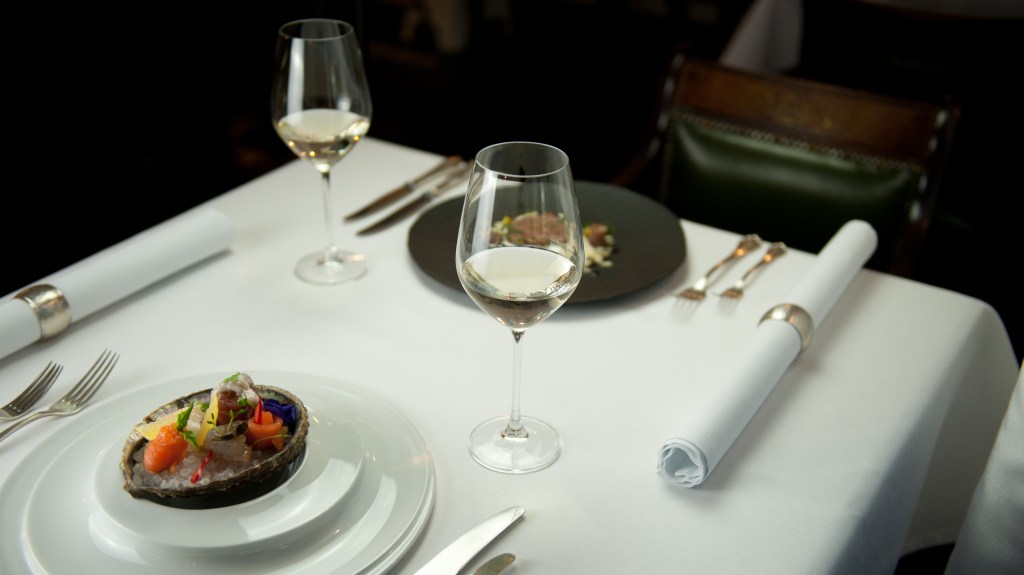
Why Great Restaurants Understand Space Before Service Silence is rarely empty. In hospitality, silence carries temperature, rhythm, anticipation, and emotional concentration. Restaurants that understand this instinctively create environments where guests begin listening differently — not only to conversation, but to atmosphere itself. At Dieci Boutique Restaurant, silence is treated as material. Acoustics, spacing, lighting, and…
-

The End of Excess and the Return of Responsibility Luxury hospitality is entering a period of contradiction. For years, refinement was associated with abundance: imported products, excessive energy consumption, unnecessary waste, visual opulence. But contemporary gastronomy increasingly understands something uncomfortable: Excess is no longer sophisticated. The future of fine dining may depend not on what…
-

Attention is one of the rarest forms of generosity. Great hospitality depends less on performance and more on observation. The ability to notice discomfort before it is expressed.The ability to anticipate needs without interruption. At Dieci Boutique Restaurant, hospitality is built around attentiveness rather than intrusion. Service should feel natural, calm, and almost invisible. Guests…
-

A restaurant is not a single activity. It is an ecosystem. Agriculture, labor, design, waste management, energy, logistics, ceramics, water, architecture, service, and hospitality all interact continuously. At Dieci Boutique Restaurant, sustainability is approached as a complete system rather than a visual statement. Food waste becomes compost. Recycled materials return into production cycles. Local ecosystems…

