Luxury dining has become remarkably predictable.
Walk into enough acclaimed restaurants—in Paris, Rome, London, Dubai or New York—and the differences begin to disappear. The lighting changes. The tableware changes. The wine list changes. Yet the underlying proposition remains almost identical: prestige, abundance and even fake polished execution.
The industry calls this excellence.
Perhaps it has mistaken consistency for it.
Picture Credits: Velislav Baldev professional photographer, filmmaker, and editor from Plovdiv, Bulgaria. Lyon Visuals
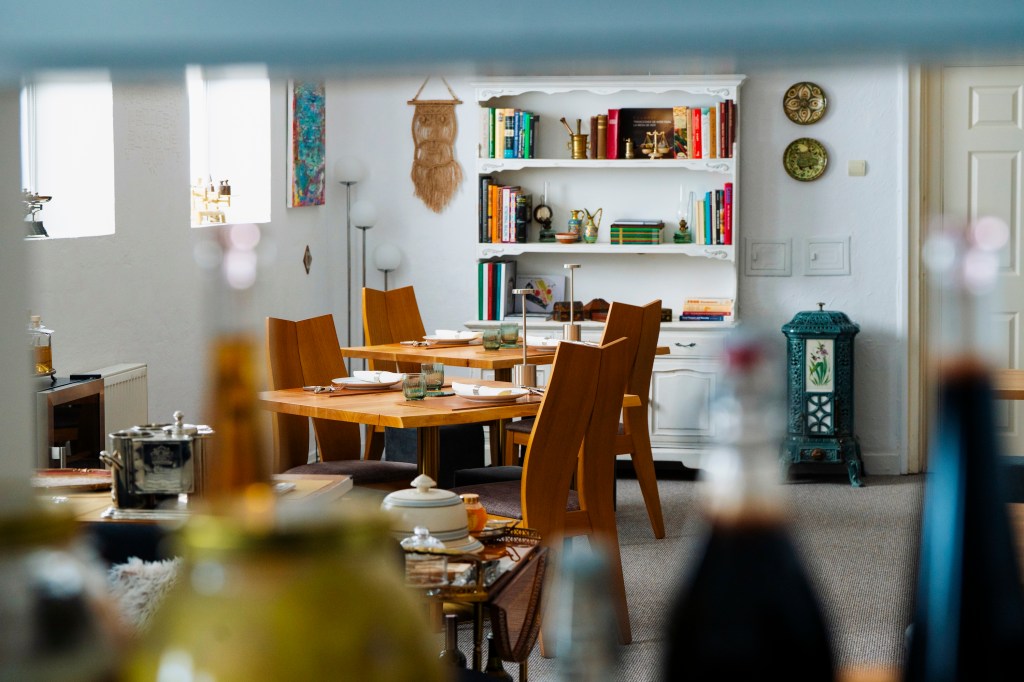
The Restaurant That Refuses to Compete
Most restaurants compete on the same battlefield.
- A larger cellar.
- A more celebrated chef.
- A longer tasting menu.
- A rarer ingredient.
- A higher position on a ranking that few diners can explain.
This is an arms race. It rewards scale, investment and spectacle.
Dieci has chosen not to enter it. Not because it cannot compete. Because it rejects the premise that this is what a great restaurant should aspire to become.
Picture Credits: Anna van Dorp: @annavandorp (Professional Photographer, Film maker, Editor) Amsterdam, Netherlands.

Scarcity Is Not a Marketing Strategy
In most luxury businesses, scarcity is manufactured.
- Limited editions.
- Invitation-only access.
- Artificial waiting lists.
Scarcity becomes another product to sell. Dieci approaches it differently.
There are only a handful of seats because the experience cannot exist at a larger scale without becoming something else. Every additional table would dilute the attention. Every additional member of staff would increase distance between the guest and the people creating the experience.
Growth is possible. Replication is not. There is an important difference.
Picture Credits: Anna van Dorp: @annavandorp (Professional Photographer, Film maker, Editor) Amsterdam, Netherlands.

Picture Credits: Anna van Dorp: @annavandorp (Professional Photographer, Film maker, Editor) Amsterdam, Netherlands.
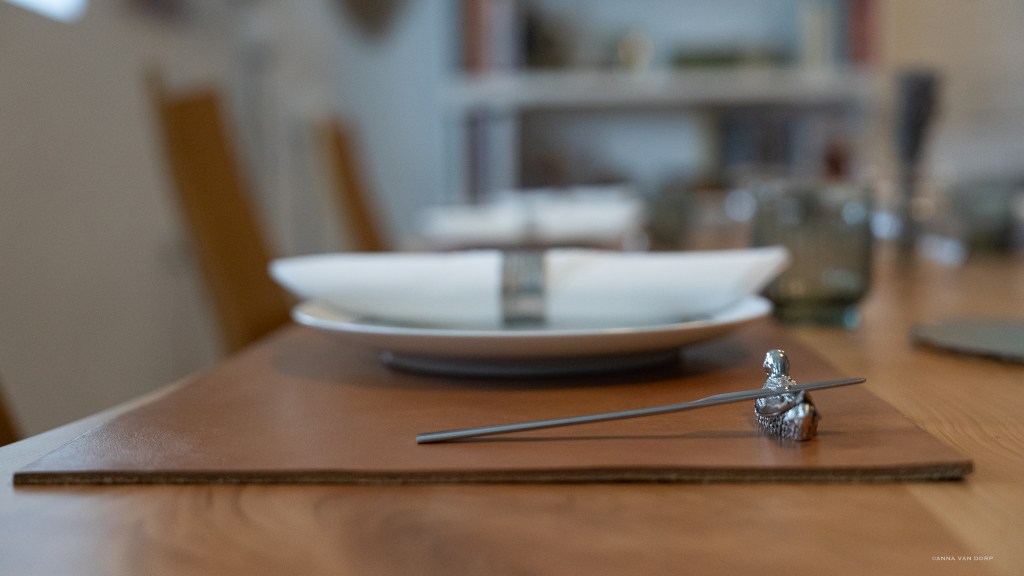
Local Is Not a Decoration
Many restaurants speak proudly about local ingredients.
Far fewer are willing to build an entire business around them.
Imported luxury has become the industry’s default language. Caviar from one country. Wagyu from another. Truffles from somewhere else.
There is nothing inherently wrong with these products.
But they are available to anyone with sufficient purchasing power.
They are not identity.
Identity begins where substitution ends.
When the landscape, its producers and its seasons become impossible to replace, the restaurant stops borrowing prestige from elsewhere and begins creating its own.
Picture Credits: Velislav Baldev professional photographer, filmmaker, and editor from Plovdiv, Bulgaria. Lyon Visuals
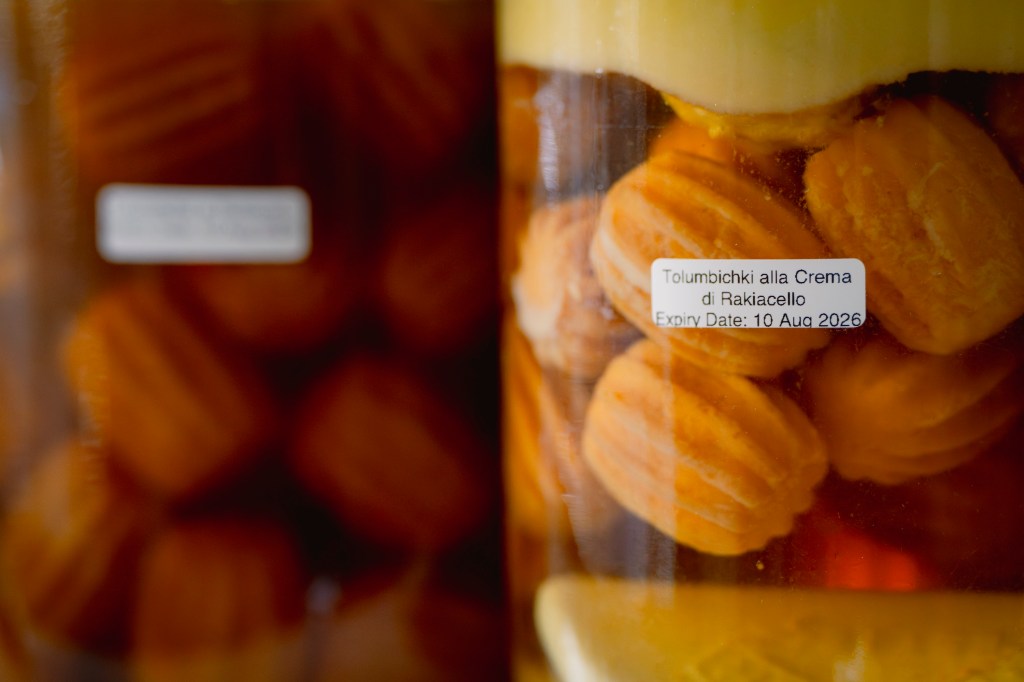
Picture Credits: Velislav Baldev professional photographer, filmmaker, and editor from Plovdiv, Bulgaria. Lyon Visuals
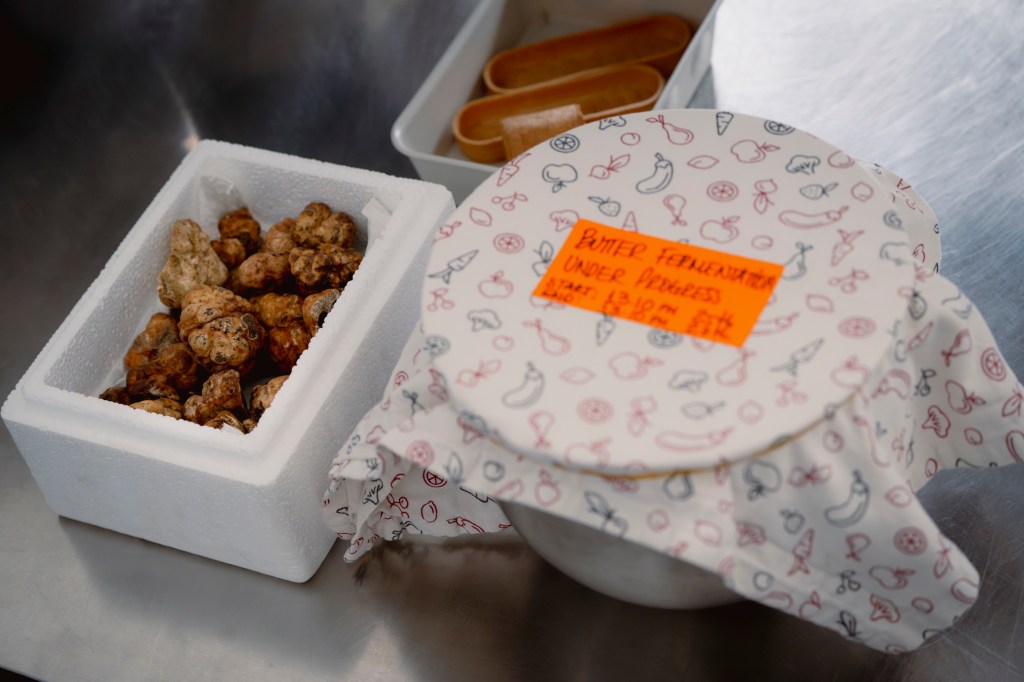
Excellence Is Quiet
The hospitality industry has developed an unhealthy obsession with visibility.
- Awards.
- Rankings.
- Social media.
- Appearances.
- Public relations.
None of these are evidence of quality.
They are evidence of attention.
The two are frequently confused.
Restaurants have closed with shelves full of trophies.
Others remain fully booked for decades without ever entering a competition.
The market eventually discovers substance.
It only takes longer.
Picture Credits: Hristiyan Agushev professional photographer from Plovdiv, Bulgaria. Lyon Visuals

Picture Credits: Hristiyan Agushev professional photographer from Plovdiv, Bulgaria. Lyon Visuals

The Future Belongs to Conviction
Trying to satisfy everyone has never produced remarkable restaurants.
It produces safe menus.
- Safe interiors.
- Safe opinions.
- Safe businesses.
Dieci makes choices that inevitably exclude some people.
That is not a weakness.
It is the unavoidable consequence of having standards.
Restaurants that know exactly who they are will always appear divisive to those who expect them to be everything at once.
History suggests that the future rarely belongs to consensus.
It belongs to conviction.
Picture Credits: Anna van Dorp: @annavandorp (Professional Photographer, Film maker, Editor) Amsterdam, Netherlands.

Picture Credits: Anna van Dorp: @annavandorp (Professional Photographer, Film maker, Editor) Amsterdam, Netherlands.

Zero Dilution of Quality:
In Sofia—and any major city—“top” restaurants are machines. Executive chef, sous chefs, line cooks, front-of-house. Layers. And with layers comes dilution.
At Dieci, there is no hierarchy. No middlemen. No weak links. The same hands that forage the ingredients in the farm or in the forest are the ones cooking and serving them. Nothing gets lost in translation because there is no translation. That level of purity is structurally impossible to replicate in a 40+-cover urban operation with staff turnover and operational noise.
Radical Sustainability vs. Greenwashing:
City restaurants love the language of sustainability. “Farm-to-table,” “local sourcing,” “seasonal menus.” But they only scratch the surface—most still rely on industrial supply chains to function.
Dieci doesn’t. They generate their own electricity. Pump their own water. Grow most of what they serve. This isn’t branding—it’s infrastructure. In a city, independence is a marketing angle. In Devino, it’s survival. And diners can feel the difference immediately.
The Anti-Vibe
Urban dining is built for throughput—noise, speed, turnover. Dieci rejects all of it.
The Pace: You don’t book a table—you occupy a space for the night. No rush, no pressure, no silent expectation to leave.
The Setting: A restored schoolhouse in a village of ten people forces a mental reset. No distractions. No performance. Just presence. It’s not ambiance. It’s psychological decompression.
Intellectual Honesty
Sofia’s “aspiring” fine dining scene often tries unsuccessfully to imitate London, Paris, Dubai—anywhere but itself.
Dieci goes in the opposite direction. They take Bulgarian ingredients—humble, overlooked, often dismissed—and treat them with world-class precision. No theatrics. No borrowed identity. It doesn’t feel like luxury being performed. It feels like mastery being exercised.
Intentional Scarcity
City restaurants need volume. Rent demands it. Investors expect it.
Dieci serves ten people. That constraint flips everything. You’re not a customer—you’re selected. You travel to them, on their terms. The experience isn’t optimized for accessibility; it’s optimized for meaning. And that makes every bite successful.
So, Is This the Future of Fine Dining?
Yes—and no. Because what Dieci has built isn’t just a restaurant. It’s a high-stakes personality play.
Most city establishments are built on compromise: investors, landlords, PR cycles, social positioning. That pressure flattens originality. It forces safety.
Dieci is the opposite.
The All-In Bet
Relocating to a village of ten people isn’t romantic—it’s ruthless. There’s no walk-in traffic. No second chances. If the food isn’t exceptional, the business dies immediately. That kind of pressure creates clarity. Focus sharp enough to cut through anything. Quality is real, products are honest and creativity paramount.
The Power of the Auteur
This is not a “concept.” It’s authorship. Like a filmmaker who writes, directs, and edits their own work, the Chiarini’s removed every corporate layer between vision and execution. You’re not buying food. You’re stepping into someone’s unfiltered worldview.
Resilience as Luxury
In cities, problems are outsourced.
In isolation, they’re solved—or you fail. Power outage? You fix it. Plumbing issue? You deal with it. Supply chain? You are the supply chain. That level of self-reliance doesn’t just sustain the business—it defines the experience. Guests feel it in every detail. It feels real and earned.
The Hard Truth
This model is not scalable. It’s not teachable. And it’s definitely not for everyone. Because most people don’t want this level of risk. They want the safety of systems. The comfort of consensus. The illusion of control.
What Dieci requires is something else entirely: 0% ego, but 100% endurance, and the willingness to burn every fallback option.
Most chefs use that drive to chase stars in Paris or London.
Dieci used it to build a self-sustaining fortress in the Bulgarian countryside.
Picture Credits: Anna van Dorp: @annavandorp (Professional Photographer, Film maker, Editor) Amsterdam, Netherlands.
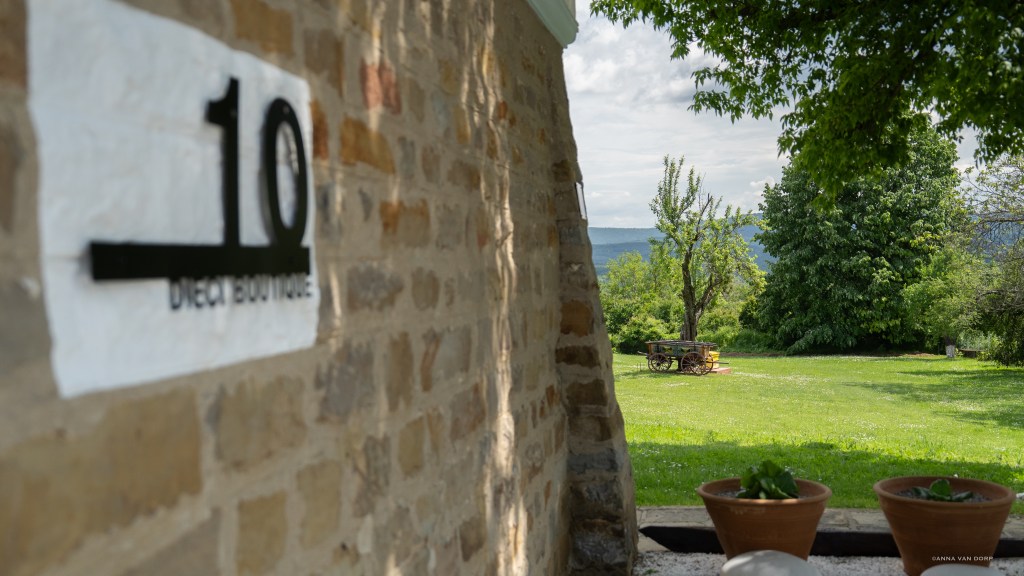
Picture Credits: Anna van Dorp: @annavandorp (Professional Photographer, Film maker, Editor) Amsterdam, Netherlands.


Leave a Reply